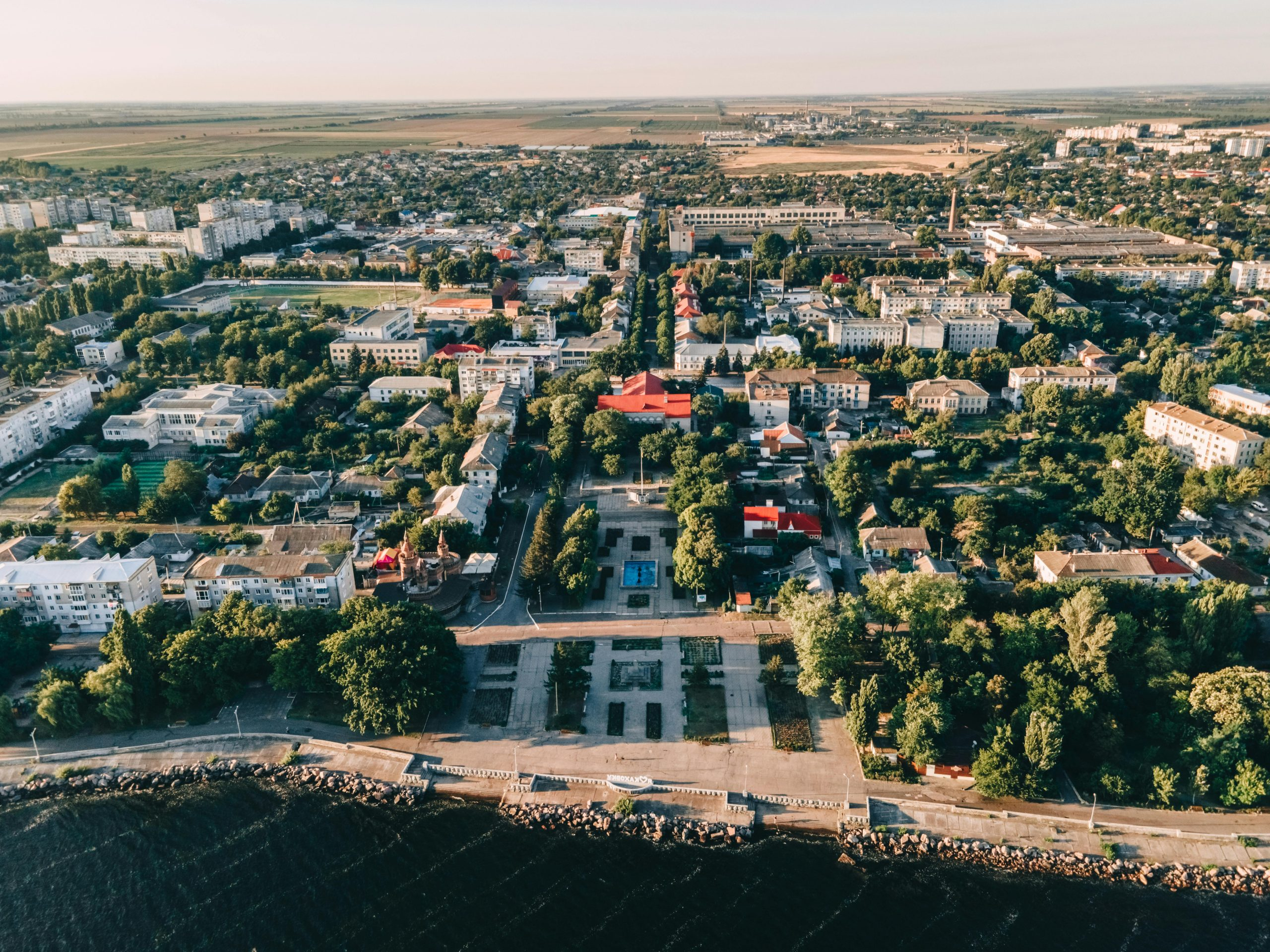
Welcome to the neighborhood! Have you ever stopped to think about what makes your community unique? The streets, homes, and parks all come together to create a sense of place. But what many don’t realize is that behind the scenes, there is a group of individuals who are responsible for shaping and developing these neighborhoods – community planners. In this article, we will explore the role of community planning in shaping neighborhoods and why it is important for the overall livability and sustainability of our communities.
The Importance of Community Planning
Community planning is a process that involves the collaboration of local government officials, planners, and community members to identify the needs and goals of a particular area. This process is essential in creating vibrant and thriving neighborhoods that meet the needs of its residents. It goes beyond just designing streets and structures; it also takes into account the social, economic, and environmental factors that make a community livable.
Without community planning, neighborhoods can quickly become chaotic and disorganized, leading to issues such as traffic congestion, lack of green spaces, and inadequate public facilities. By actively involving community members in the planning process, stakeholders can work together to create a vision for their neighborhood that reflects their values and priorities.
The Role of Community Engagement
Collaborating with Community Members
Community planners act as mediators between the local government and community members. They work to gather input from residents and stakeholders through surveys, town hall meetings, and focus groups. By involving community members in the decision-making process, planners can gain a better understanding of the neighborhood’s needs and preferences.
By involving community members, planners can also address any concerns and conflicts that may arise. This collaborative approach leads to a more comprehensive and inclusive neighborhood plan that reflects the community’s desires and needs.
Creating a Sense of Community
Community planners also play a crucial role in fostering a sense of community within a neighborhood. By designing public spaces, such as parks and community centers, planners can create opportunities for residents to interact and build relationships with one another. These spaces are essential for promoting social cohesion, which is vital for a community’s overall well-being.
Furthermore, planners can also incorporate elements of diversity and inclusivity into their plans. By involving community members from different backgrounds, planners can create a neighborhood that reflects its diverse population and promotes social equity.
Designing Sustainable Neighborhoods
Community planners also have a significant impact on the environmental sustainability of a neighborhood. They can incorporate green infrastructure, such as rain gardens and permeable pavement, to manage stormwater runoff and improve water quality. By promoting walkability and access to public transportation, planners can also reduce reliance on cars, thus decreasing carbon emissions.
Moreover, by incorporating sustainable design principles into neighborhood plans, community planners can help reduce the overall environmental footprint of a community. This includes designing energy-efficient buildings, preserving green spaces, and promoting renewable energy sources.
Conclusion
In conclusion, community planning plays a crucial role in shaping neighborhoods and promoting livability and sustainability. By involving community members in the planning process and considering a wide range of factors, planners can create vibrant and inclusive neighborhoods that meet the needs of its residents. As we continue to face urban challenges, the role of community planning will only become more critical in shaping the future of our communities.
Leave a Reply