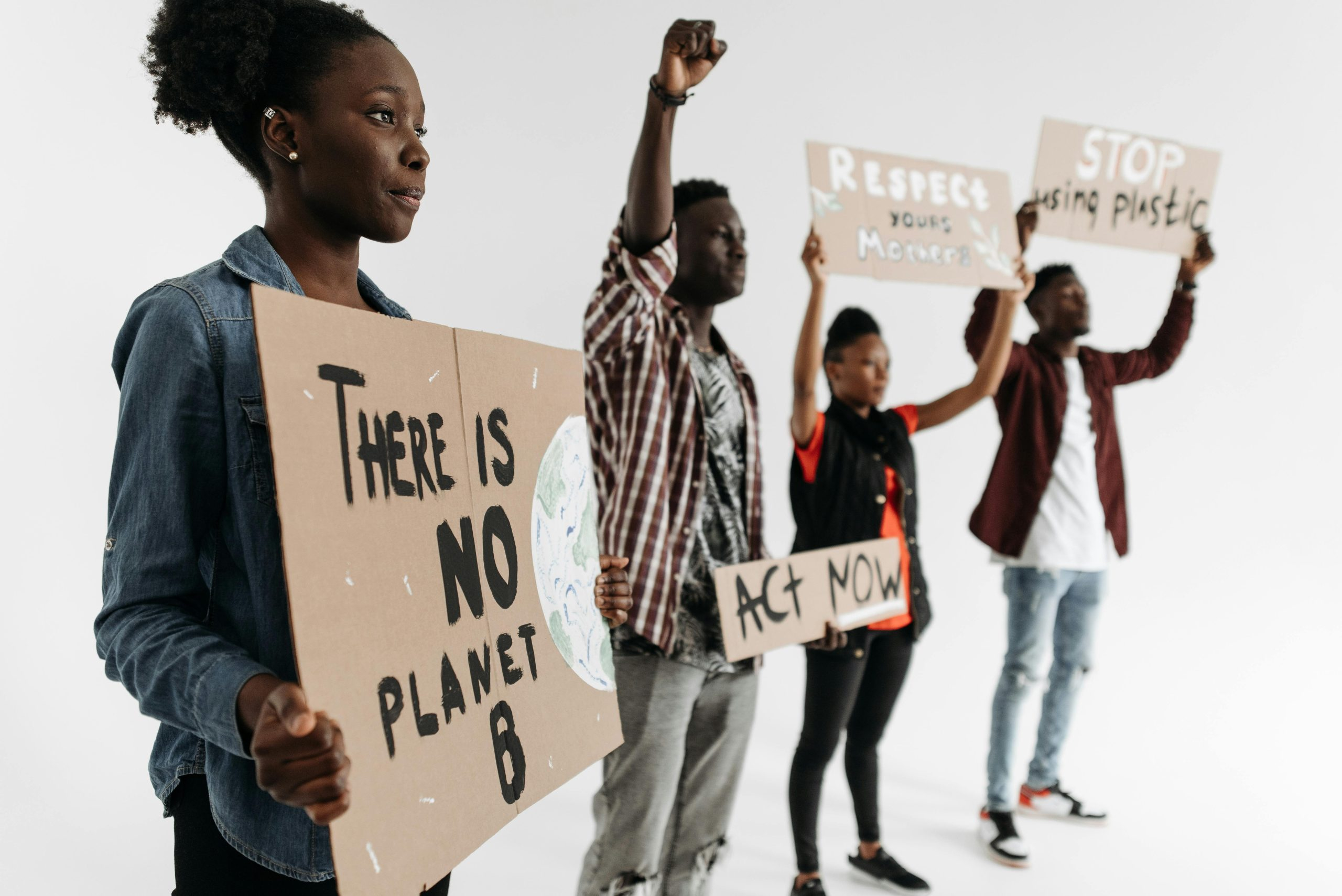
Protest songs have always been a powerful tool for social and political change. From the Civil Rights Movement to anti-war demonstrations, music has served as a unifying force for activists and a means of expressing their grievances. The impact of political movements on protest songs is undeniable, as these two forces often go hand in hand in shaping cultural and societal norms. In this article, we will delve into the history of protest songs and explore how they have been influenced by various political movements throughout time.
The Evolution of Protest Songs
Protest songs have been around for centuries, with roots tracing back to early folk songs and hymns. These songs served as a means of storytelling and communicating important messages to the masses. One of the earliest examples of a protest song can be found in the African American spiritual, “Swing Low, Sweet Chariot,” which was believed to have been used as a code for slaves seeking to escape to freedom.
As time went on, protest songs evolved to reflect the changing political climate. During the Civil Rights Movement of the 1950s and 1960s, artists such as Bob Dylan and Joan Baez used their music to protest against racial inequality and injustice. Their songs, such as “Blowin’ in the Wind” and “We Shall Overcome,” became anthems for the movement and inspired countless individuals to join the fight for equal rights.
The Connection Between Politics and Music
The relationship between politics and music is symbiotic, with each influencing the other. Political movements often give rise to new genres of music that reflect the sentiments and struggles of the people. For example, the rise of punk rock in the 1970s was a direct response to the political unrest and economic turmoil of the time.
On the other hand, music has the power to shape political movements and bring about social change. The lyrics and messages conveyed in protest songs can capture the emotions of the people and serve as a call to action. During the Vietnam War, songs like “Ohio” by Crosby, Stills, Nash, and Young and “Fortunate Son” by Creedence Clearwater Revival sparked an anti-war movement and helped to shift public opinion on the war.
The Impact of Political Movements
Political movements not only influence the content of protest songs but also the platforms on which they are shared. With the rise of social media and digital platforms, it has become easier for artists to spread their message to a global audience. This has led to a proliferation of protest songs and an even greater impact on society.
In recent years, political movements such as the Women’s March and the Black Lives Matter movement have sparked a new wave of protest music. Artists like Beyoncé and Kendrick Lamar have used their music to shed light on important social issues and inspire change. These songs not only serve as a means of voicing concerns but also as a way to educate and mobilize people to take action.
In Conclusion
The impact of political movements on protest songs is significant and enduring. The evolution of music and its ability to reflect and influence society is a testament to the power of both art and activism. Whether it’s fighting for civil rights, promoting peace, or advocating for social justice, protest songs serve as a powerful tool for change and will continue to be a vital part of political movements for years to come.
Leave a Reply