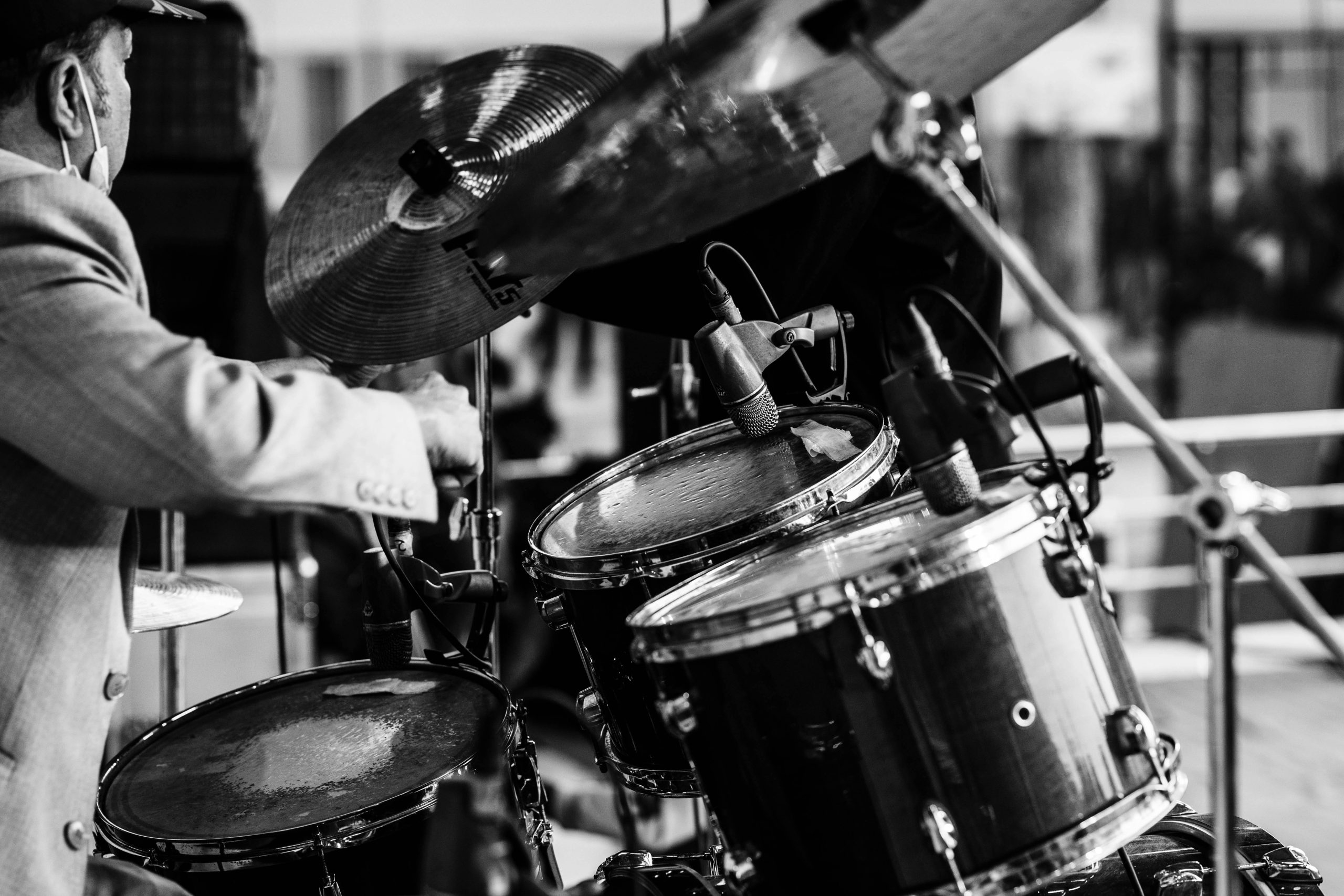
The drum kit is a staple in modern music. From its humble beginnings as a basic percussion setup to its current form as a complex and versatile instrument, the evolution of the drum kit has greatly influenced the development of rhythm in popular music. In this article, we will delve into the rich history of the drum kit and explore how its evolution has shaped the way we listen to and create music today.
The Origins of the Drum Kit
The drum kit, also known as the drum set, started as a rudimentary combination of drums and cymbals in the early 19th century. During this time, drummers would use a variety of percussion instruments such as bass drums, snare drums, and cymbals to provide rhythm for events and performances. These instruments were often played by multiple musicians at once, resulting in a disjointed and inconsistent sound.
It wasn’t until the 1930s that a few key innovations transformed the drum set into the instrument we know today. The addition of a foot-operated hi-hat cymbal and the introduction of the first pedal-controlled bass drum allowed a single drummer to play multiple parts simultaneously, creating a cohesive and unified sound. This development was crucial in the evolution of the drum kit and its role in popular music.
The Influence of Jazz on the Drum Kit
The emergence of jazz in the early 20th century was a game-changer for the drum kit. Drummers like Gene Krupa and Buddy Rich pushed the boundaries of what was possible on the instrument, incorporating elements of improvisation and syncopation. Their technical prowess and showmanship put the drum kit in the spotlight, solidifying its role as a lead instrument in jazz music.
With the evolution of jazz, the drum kit evolved as well. Drummers began adding more drums and cymbals to their setup, allowing for more complex and dynamic rhythms. Innovations like the ride cymbal and the use of brushes and mallets further expanded the sonic possibilities of the drum kit. This experimentation and constant innovation in jazz had a huge impact on the development of rhythm in popular music.
The Rise of Rock and Roll
In the 1950s, rock and roll emerged as a new genre of music that would change the landscape of popular music forever. The influence of early rock and roll pioneers like Little Richard, Chuck Berry, and Elvis Presley can be seen in the development of the drum kit. With its driving rhythms and energetic beat, it quickly became the backbone of rock and roll music.
In addition to the traditional elements of the drum kit, drummers began incorporating new techniques and sounds into their playing. The use of double bass pedals, tom-toms, and crash cymbals became common in rock music, allowing for a heavier and more aggressive sound. Drummers like Keith Moon of The Who and John Bonham of Led Zeppelin became known for their dynamic and energetic playing, pushing the limits of what was possible on the drum kit.
The Impact of Technology
The 1980s saw the introduction of electronic drums, which marked a significant shift in the evolution of the drum kit. With the ability to replicate a wide range of sounds, electronic drums opened up new possibilities for drummers and producers. This technology also had an impact on popular music, as electronic drums were incorporated into various genres such as pop, hip hop, and dance music.
In the following decades, advancements in technology continued to shape the drum kit. Drum machines, digital samplers, and MIDI controllers all played a role in expanding the sonic capabilities of the instrument. However, no matter how much technology evolved, the drum kit remained a fundamental and essential element in popular music.
The Modern Drum Kit
Today, the drum kit continues to evolve and adapt to the ever-changing demands of popular music. It has become an incredibly versatile instrument, capable of producing a wide range of sounds and styles. Drummers like Steve Gadd, Dave Grohl, and Questlove have all made significant contributions to the evolution of the drum kit, continually pushing its boundaries and inspiring new generations of musicians.
In addition to its role in live performances, the drum kit has also become a crucial component in music production. Through the use of digital audio workstations (DAWs) and virtual drum software, producers can create and manipulate drum sounds with an unprecedented level of control and precision.
In Conclusion
The evolution of the drum kit is a testament to the ever-changing nature of music. From its humble beginnings as a basic percussion setup to its current form as a complex and versatile instrument, the drum kit has played a vital role in the development of rhythm in popular music. As technology continues to advance and new genres emerge, one thing is for sure – the drum kit will continue to evolve and shape the way we create and experience music for years to come.
Leave a Reply