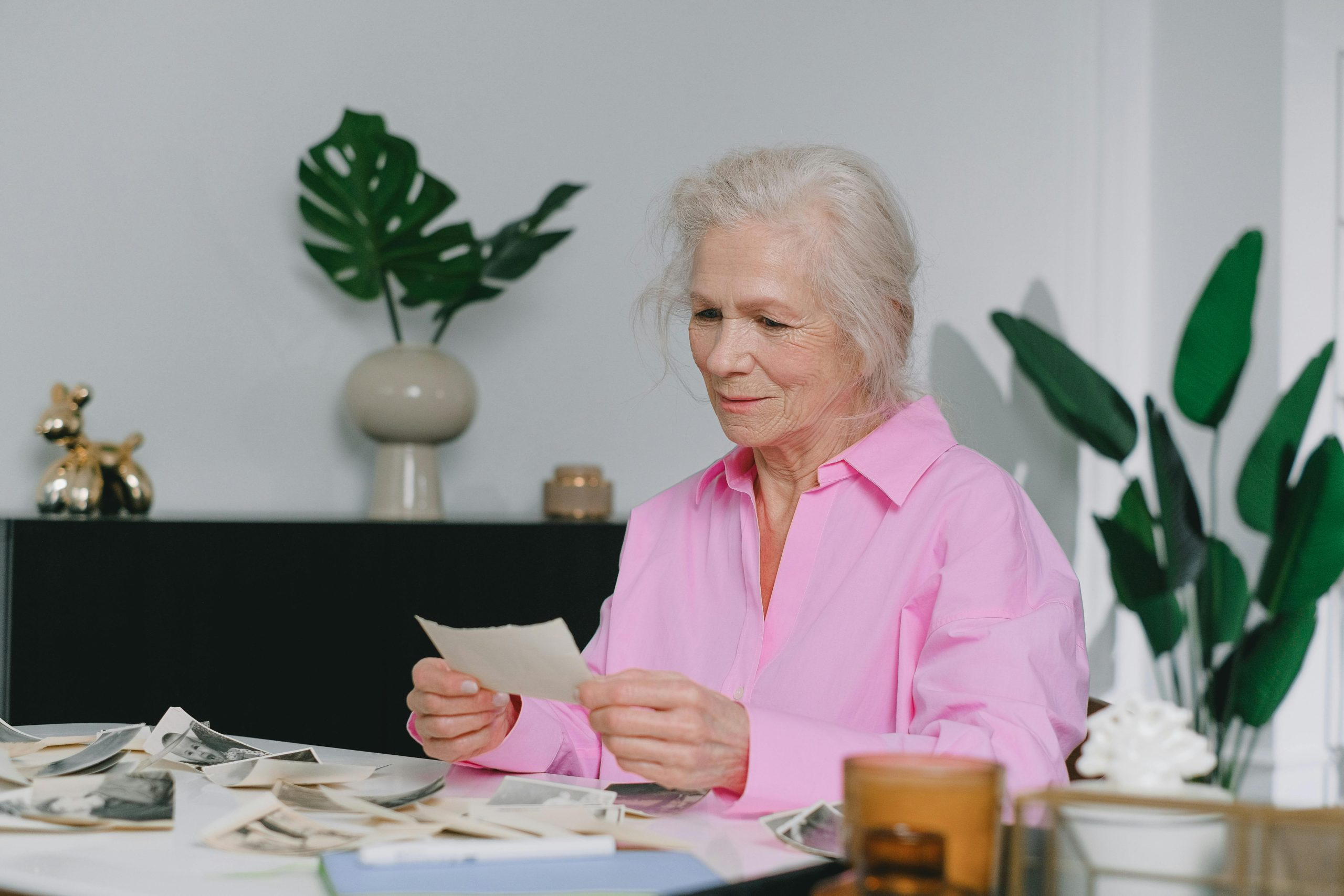
The passage of time can cause memories to fade and details to become blurry, making it difficult to recall moments from our past. However, documenting our personal history and memories can serve as a powerful tool to preserve our stories and leave a lasting legacy for future generations.
The Importance of Personal History and Memories
Our personal history and memories are an integral part of our identity. They shape who we are and provide insight into our unique experiences, perspectives, and beliefs. They also serve as a valuable source of knowledge and a reminder of our journey throughout life.
Documenting our personal history and memories not only helps us remember the events of our past but also allows us to reflect on them and gain a deeper understanding of ourselves. It is through these reflections that we can learn from our successes and failures, appreciate the lessons we have learned, and make better decisions for our future.
The Value of Recording our Stories
Preserving Family History
Documenting our personal history is not just about preserving our own stories; it also encompasses the stories of our ancestors and our family. It is a way to connect with our past, learn about our roots, and keep our family’s legacy alive. By recording our stories, we can ensure that future generations know where they come from and have a better understanding of their family history.
Furthermore, family history is crucial for building a sense of belonging and strengthening family bonds. As we share our stories with our loved ones, we create a deeper connection and appreciation for one another. It also provides an opportunity for family members to come together to reminisce and pass on their stories, traditions, and values.
Leaving a Legacy
Documenting our personal history and memories allows us to leave a legacy for future generations. It is a way to ensure that our stories, experiences, and wisdom are not forgotten. Our documented memories can serve as a valuable resource for our children, grandchildren, and future descendants, providing them with a window into our lives and the world we lived in.
Moreover, documenting our personal history can inspire future generations to learn and grow from our experiences. Our stories can provide valuable life lessons, advice, and guidance that can have a profound impact on those who come after us.
Ways to Document your Personal History and Memories
Journaling and Writing
One of the most common and effective ways to document our personal history and memories is through writing in a journal or diary. Writing allows us to record our thoughts, emotions, and experiences in our own words. It also serves as a therapeutic outlet that can help us process our thoughts and feelings.
Journaling can take various forms, from traditional pen and paper to digital journals and blogs. You can also try prompts to help you remember significant events, feelings, and milestones in your life. By incorporating photos and other memorabilia, you can make your journal even more meaningful and visually appealing.
Recording Audio or Video
Another way to capture your personal history and memories is through audio or video recordings. With the advances in technology, smartphones and other devices have made it easier than ever to record our daily lives. You can create video diaries, record conversations with family members, or simply document your thoughts and reflections.
Audio and video recordings can also capture details such as tone of voice, laughter, and other emotions that a written document may not fully convey. They allow us to truly experience the memories and moments we are trying to preserve.
Scrapbooking and Photo Albums
Incorporating photos, letters, tickets, and other physical items into a scrapbook or photo album can also serve as a form of documenting personal history and memories. These tangible items not only help jog our memories but also provide a visual representation of our stories.
You can also make themed scrapbooks, such as a travel journal or a childhood memories album, which can be passed down for generations to come.
In conclusion
Documenting our personal history and memories is a valuable and meaningful way to preserve our stories and pass them down to future generations. It allows us to reflect on our past, connect with our loved ones, leave a legacy, and make sense of our journey through life. Whether through writing, recording, or scrapbooking, finding a method that works for you can be a rewarding and fulfilling experience.
So, take the time to document your personal history and memories. Your story is unique and worth preserving. It is a gift to yourself and your loved ones, and it will continue to be treasured for years to come.
Leave a Reply