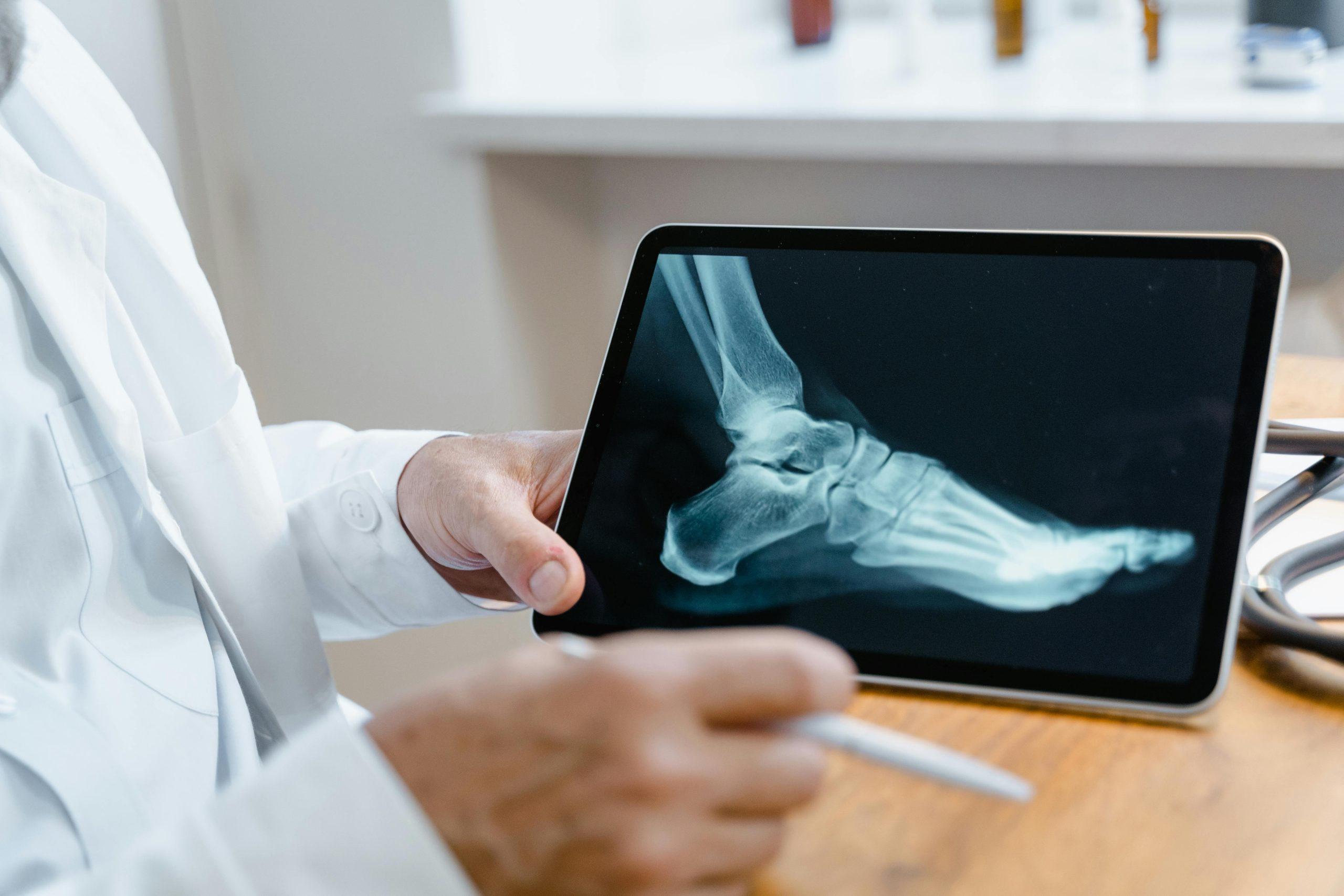
In today’s fast-paced world, it can be easy to neglect our health and wellness. With busy schedules and endless to-do lists, many of us put off regular medical check-ups and screenings. However, these routine healthcare measures play a critical role in ensuring our overall well-being and detecting potential health issues before they become more serious. In this article, we will explore the importance of regular medical check-ups and screenings, and why they should be a priority in our lives.
The Importance of Regular Medical Check-ups
Regular medical check-ups, also known as routine physicals or wellness exams, involve a comprehensive evaluation of an individual’s overall health status. This usually includes a medical history review, physical examination, and additional testing if necessary. These check-ups are usually recommended for adults once a year, but may be more frequent for individuals with certain health conditions or risk factors.
Preventive Care
One of the primary benefits of regular medical check-ups is preventive care. These visits allow healthcare professionals to assess an individual’s risk factors and screen for potential health issues. Through early detection and intervention, many serious health conditions can be prevented or successfully managed. For example, routine check-ups can detect high blood pressure, high cholesterol, and diabetes, all of which can lead to severe health consequences if left untreated.
Maintaining Good Health
Regular medical check-ups also play a crucial role in maintaining good health. Even if you feel well, these exams can detect any underlying health issues that may not have any noticeable symptoms. They also provide an opportunity for healthcare professionals to offer advice on lifestyle modifications and preventive measures for conditions such as obesity, smoking, and stress management.
Building a Relationship with Your Healthcare Provider
Building a relationship with a trusted healthcare provider is essential for your overall well-being. Regular check-ups provide an opportunity for you to establish a long-term relationship with a healthcare professional who understands your medical history and can provide personalized care and guidance. This is especially beneficial for individuals with chronic health conditions or those with a family history of certain diseases.
The Importance of Regular Screenings
Screenings are specific tests that are done to detect diseases or conditions at an early stage. These tests are usually recommended based on an individual’s age, gender, and medical history. They involve a variety of methods, such as blood tests, imaging scans, and physical exams, and can help identify potential health issues that may not have any noticeable symptoms.
Early Detection of Diseases
Early detection is critical in treating and managing many diseases. Through regular screenings, healthcare professionals can detect conditions such as cancer, heart disease, and diabetes at an early stage when treatment is often more effective. For example, routine mammograms and prostate exams can detect breast and prostate cancer, respectively, before symptoms develop, allowing for early treatment and a better chance of survival.
Preventive Measures
Just like medical check-ups, screenings also play a preventive role in maintaining good health. They allow healthcare providers to identify potential risk factors and provide guidance on lifestyle changes that can help prevent diseases or their complications. For example, a cholesterol screening may prompt an individual to make dietary changes to reduce their risk of heart disease.
Personalized Recommendations
Screenings provide an opportunity for healthcare professionals to offer personalized recommendations for preventive measures and treatment options based on an individual’s health status. This includes advice on nutrition, exercise, and health monitoring to help individuals take control of their health and wellness.
Conclusion
Regular medical check-ups and screenings are crucial for maintaining good health and preventing many diseases. They allow for early detection and intervention, build a relationship with a trusted healthcare provider, and provide personalized guidance on preventive measures and treatment options. As the saying goes, “Prevention is better than cure,” and by prioritizing regular check-ups and screenings, we can take control of our health and reduce the risk of developing serious health problems.
Leave a Reply