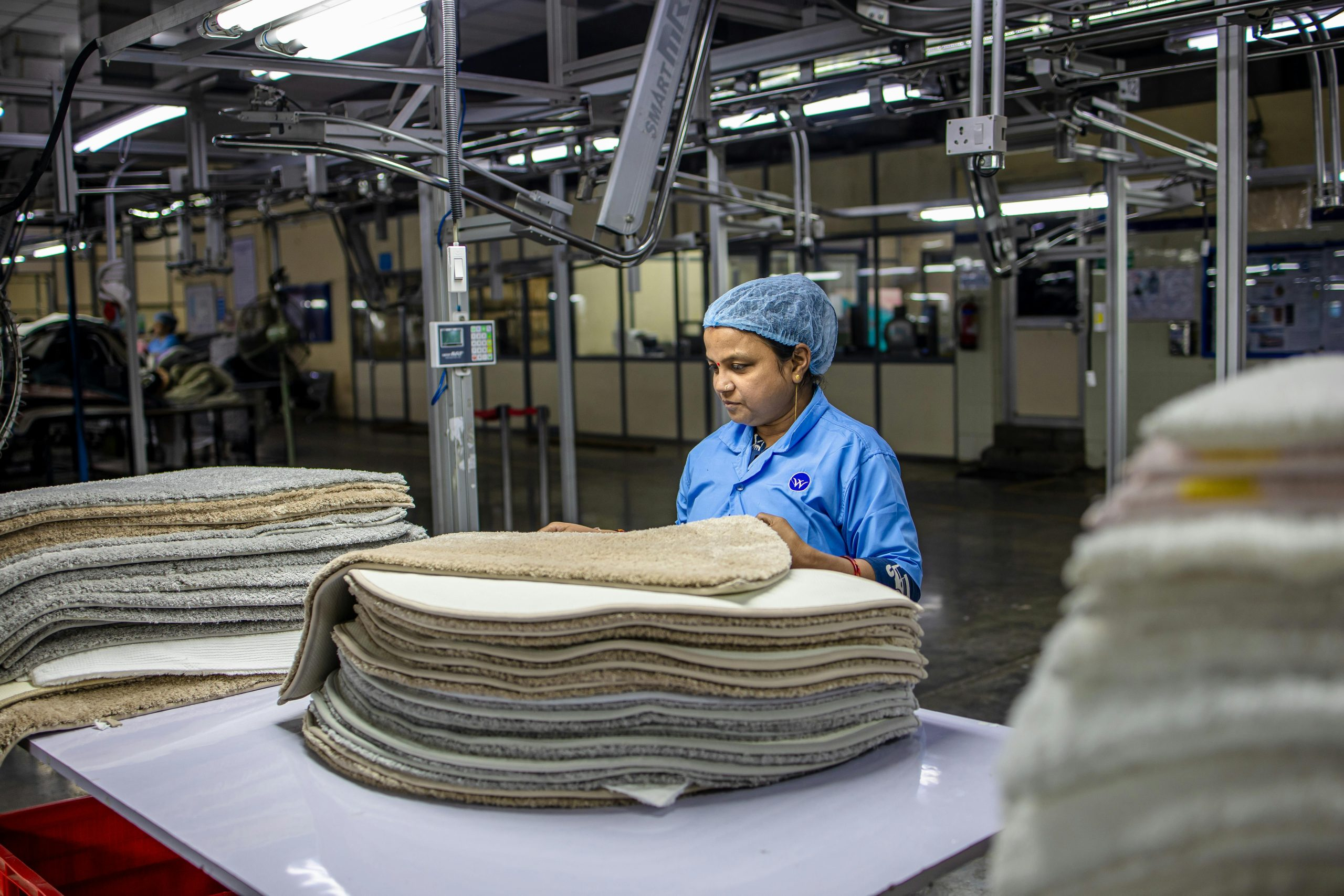
Have you ever found yourself spending hours on repetitive tasks that seem never-ending? From data entry to email responses, these tasks can be time-consuming and take away from more important and creative work. However, with the rise of automation technology, many businesses are turning to software and machines to streamline these repetitive tasks. In this article, we’ll dive into the world of automation and explore how it impacts repetitive tasks in the workplace.
The Rise of Automation
Automation has been around for decades, with the first use of machines dates back to the industrial revolution. However, in recent years, advancements in technology have led to the rise of automation in various industries. From self-driving cars to chatbots, automation has become an integral part of our daily lives.
One of the main reasons for the increase in automation is its ability to improve efficiency and productivity. By automating repetitive tasks, businesses can save time and resources, allowing employees to focus on higher-value work. Automation also reduces the risk of human error, resulting in more accurate and consistent results.
The Impact on Repetitive Tasks
Repetitive tasks can range from simple actions like copying and pasting data to more complex processes that involve multiple steps. These tasks can be time-consuming, monotonous, and prone to errors. However, with automation, these tasks can be completed in a fraction of the time and with greater accuracy.
Take data entry, for example. It can be a tedious and mind-numbing task that requires hours of manual work. By implementing automation, data can be automatically collected and entered into a system, eliminating the need for manual entry. This not only saves time but also reduces the chances of human error and ensures data integrity.
Automation also has a significant impact on repetitive tasks in customer service and support. With the use of chatbots, businesses can automate responses to common customer inquiries, such as order status or product information. This not only speeds up the process but also provides immediate and accurate responses, resulting in improved customer satisfaction.
The Concerns of Automation
While automation has many benefits, it also raises concerns about its impact on the workforce. Many fear that automation will replace human jobs, leaving many without employment. However, studies have shown that automation creates more jobs than it takes away. It allows employees to focus on value-added work and creates new job opportunities that align with automation technology.
Another concern is the lack of personalization with automation. With machines handling tasks, there is a fear that businesses will lose the human touch in their interactions with customers. However, with advancements in technology, automation can be customized and personalized to provide a human-like experience, making it difficult for customers to differentiate between a machine and a human.
The Future of Automation
As technology continues to advance, automation will play an even more significant role in the workplace. With the rise of artificial intelligence (AI), machines will be able to handle more complex tasks and even make decisions. This will further improve efficiency and productivity, enabling businesses to deliver better products and services to their customers.
Moreover, automation will continue to evolve and become more accessible to smaller businesses. With the development of low-cost automation tools, even small businesses can benefit from the use of automation and streamline their repetitive tasks.
Conclusion
In conclusion, automation has a significant impact on repetitive tasks in the workplace. It improves efficiency, reduces errors, and allows employees to focus on higher-value work. While there are concerns about its impact on the workforce, automation also creates new job opportunities and improves the overall customer experience. As technology continues to advance, the future of automation looks bright, and it will undoubtedly play a crucial role in shaping the way we work.
Leave a Reply