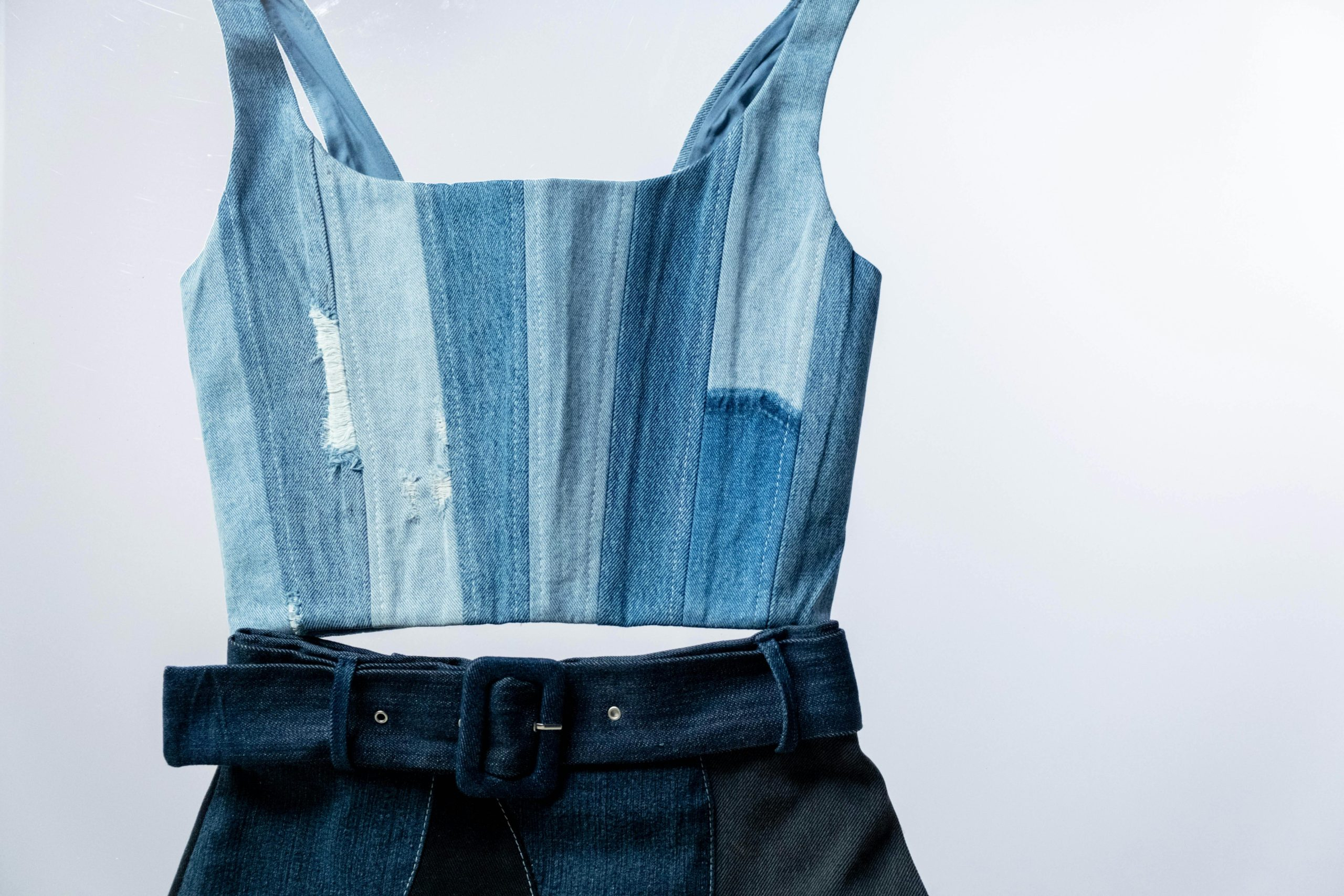
When it comes to fashion, the first thing that comes to mind is style and aesthetics. But in recent years, there has been a shift towards prioritizing comfort and wearability in modern clothing designs. This is not surprising as the fast-paced lifestyle of today demands comfortable and functional clothes. In this article, we will discuss the importance of designing for comfort and how wearability should be a key consideration in modern clothing designs.
The Importance of Comfort in Modern Clothing Designs
In the past, fashion was all about making a statement and looking good. Comfort often took a backseat to style, with tight and restrictive fabrics being the norm. But with changing times, people have started to value comfort in their clothing choices. This shift can be attributed to several factors, including a rise in awareness about the harmful effects of uncomfortable clothing on our health and well-being.
Today’s modern lifestyle demands comfortable and versatile clothing that can keep up with the fast-paced daily routines. Whether it’s going to work, running errands or hitting the gym, people want to feel at ease in their clothing choices. This has led to a demand for clothing that not only looks good but also feels good to wear.
Designing for Comfort
Choosing the Right Fabric
The first step to designing for comfort is choosing the right fabric. Fabrics that are soft, breathable and stretchable are the top choices for comfortable clothing. Natural fabrics like cotton, linen, and silk are lightweight and allow the skin to breathe, making them ideal for everyday wear. Synthetic fabrics like polyester and nylon are also widely used for their moisture-wicking and stretch capabilities.
In addition to the type of fabric, the weight and density of the fabric should also be considered. Heavier fabrics tend to be bulkier and less breathable, whereas lighter fabrics are more suitable for comfortable and breezy clothing.
Focusing on Fit and Cut
The fit and cut of a garment play a crucial role in its wearability. Clothes that are too tight or too loose can cause discomfort and restrict movement. A comfortable fit ensures that the garment moves with the body and does not hinder any physical activities. Additionally, the cut of the garment should be carefully considered, especially for clothes that are meant for more active wear. The right cut can provide ease of movement and prevent any chafing or discomfort.
Prioritizing Wearability
Functional Designs
In today’s fast-paced lifestyle, functional clothing designs are gaining popularity. Functional designs refer to clothing that is not only comfortable but also serves a specific purpose. For example, activewear and athleisure clothing are designed to provide comfort and support during physical activities. Similarly, workwear should be designed to support movement and allow for a comfortable day at work.
Avoiding Tightness and Restriction
It’s essential to avoid tight and restrictive clothing as it can be uncomfortable and even harmful to the body. Tight clothing can affect circulation and cause discomfort and irritation. With this in mind, modern clothing designs should focus on providing ease of movement and avoiding any tight or restricting elements.
Leave a Reply