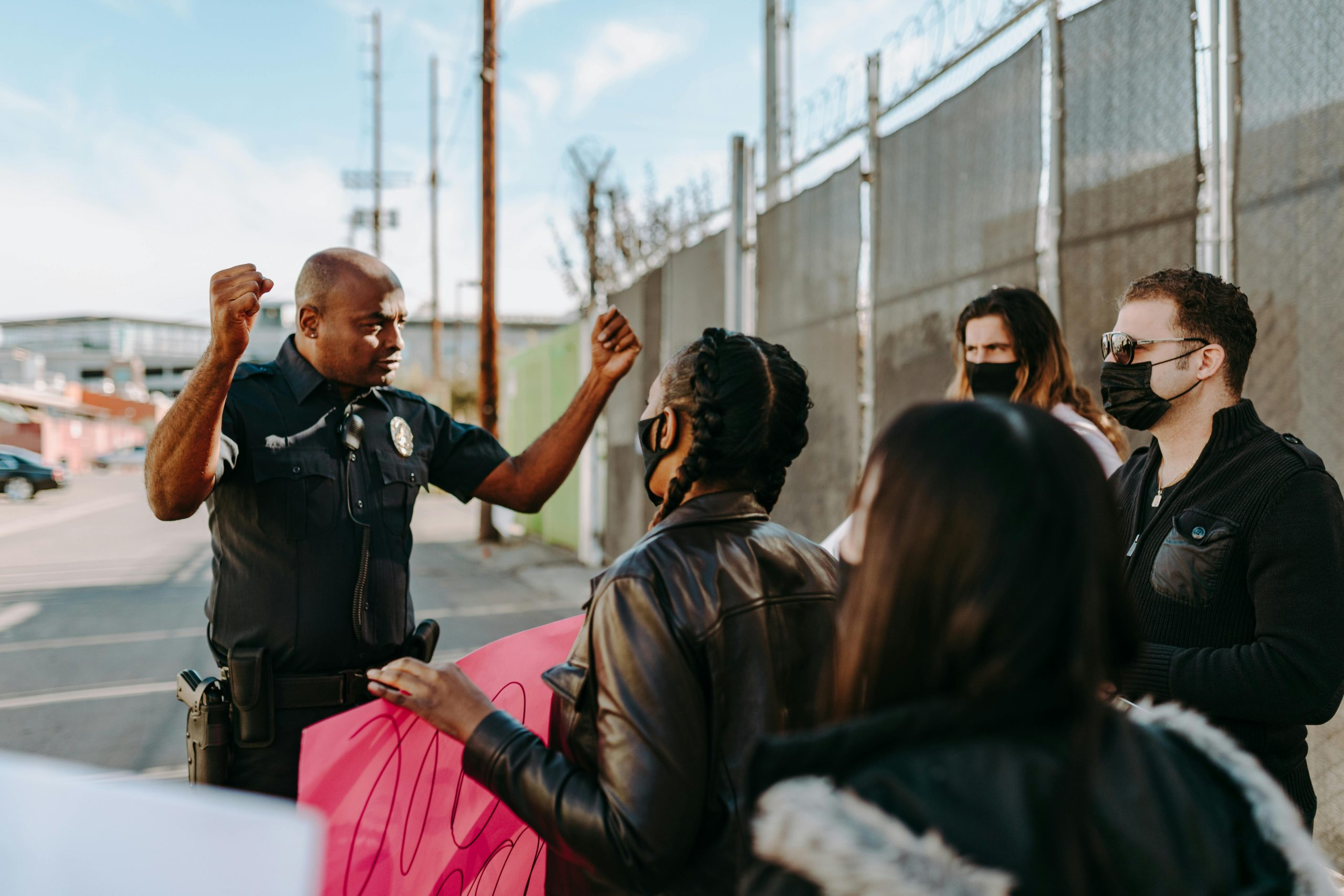
Conflict resolution and peaceful negotiation skills are essential for navigating through both personal and professional relationships. Whether it is in the workplace, at school, or within our own families, conflicts are bound to arise. However, knowing how to effectively resolve these conflicts and negotiate in a peaceful manner can lead to successful outcomes and stronger relationships. In this article, we will explore the importance of teaching conflict resolution and peaceful negotiation skills and provide tips for incorporating these skills into your teaching.
Why We Need to Teach Conflict Resolution and Peaceful Negotiation Skills
Conflict is a natural part of human interaction and can arise due to differences in opinions, needs, or values. If left unresolved, conflicts can escalate and lead to negative consequences such as damaged relationships, decreased productivity, and even violence. By teaching conflict resolution and peaceful negotiation skills, we can equip individuals with the necessary tools to handle conflicts in a constructive way and create win-win solutions.
Promotes a Positive Learning Environment
In a classroom setting, conflicts can disrupt the learning process and create a negative atmosphere. By teaching students how to resolve conflicts peacefully, you can foster a positive learning environment where students feel safe and supported. This can lead to increased engagement, better communication, and improved academic performance.
Prepares Students for the Real World
Conflict resolution and negotiation skills are not only useful in the classroom but also in the real world. In the workplace, conflicts can arise between colleagues, managers, and clients. By equipping students with these skills, we are preparing them for future career success. Additionally, they can use these skills in their personal relationships, leading to healthier and more positive interactions.
Incorporating Conflict Resolution and Peaceful Negotiation Skills in Teaching
Here are some tips for incorporating conflict resolution and peaceful negotiation skills into your teaching:
Teach Active Listening
Active listening is a crucial part of conflict resolution and peaceful negotiation. Encourage students to listen attentively and empathetically to the other party’s perspective without interruption. This can help them understand the root cause of the conflict and find a solution that meets everyone’s needs.
Role-Playing Exercises
Role-playing exercises allow students to practice conflict resolution and negotiation skills in a safe and controlled environment. Assign students different roles and scenarios to act out, and debrief afterwards to discuss what worked well and what could be improved.
Encourage Collaboration
Collaboration is key in finding win-win solutions in conflicts. Encourage students to work together to come up with solutions that satisfy both parties. This can also help improve teamwork and communication skills.
Lead by Example
As a teacher, you can model effective conflict resolution and peaceful negotiation skills. When conflicts arise in the classroom, demonstrate how to handle them in a calm and respectful manner. This can show students how to apply these skills in real-life situations.
Conclusion
Teaching conflict resolution and peaceful negotiation skills is crucial for promoting healthier and more positive relationships in all areas of life. By incorporating these skills into education, we can set our students up for success in their future academic, personal, and professional pursuits. So, let’s equip the next generation with the necessary tools to resolve conflicts in a peaceful and productive way.
Leave a Reply