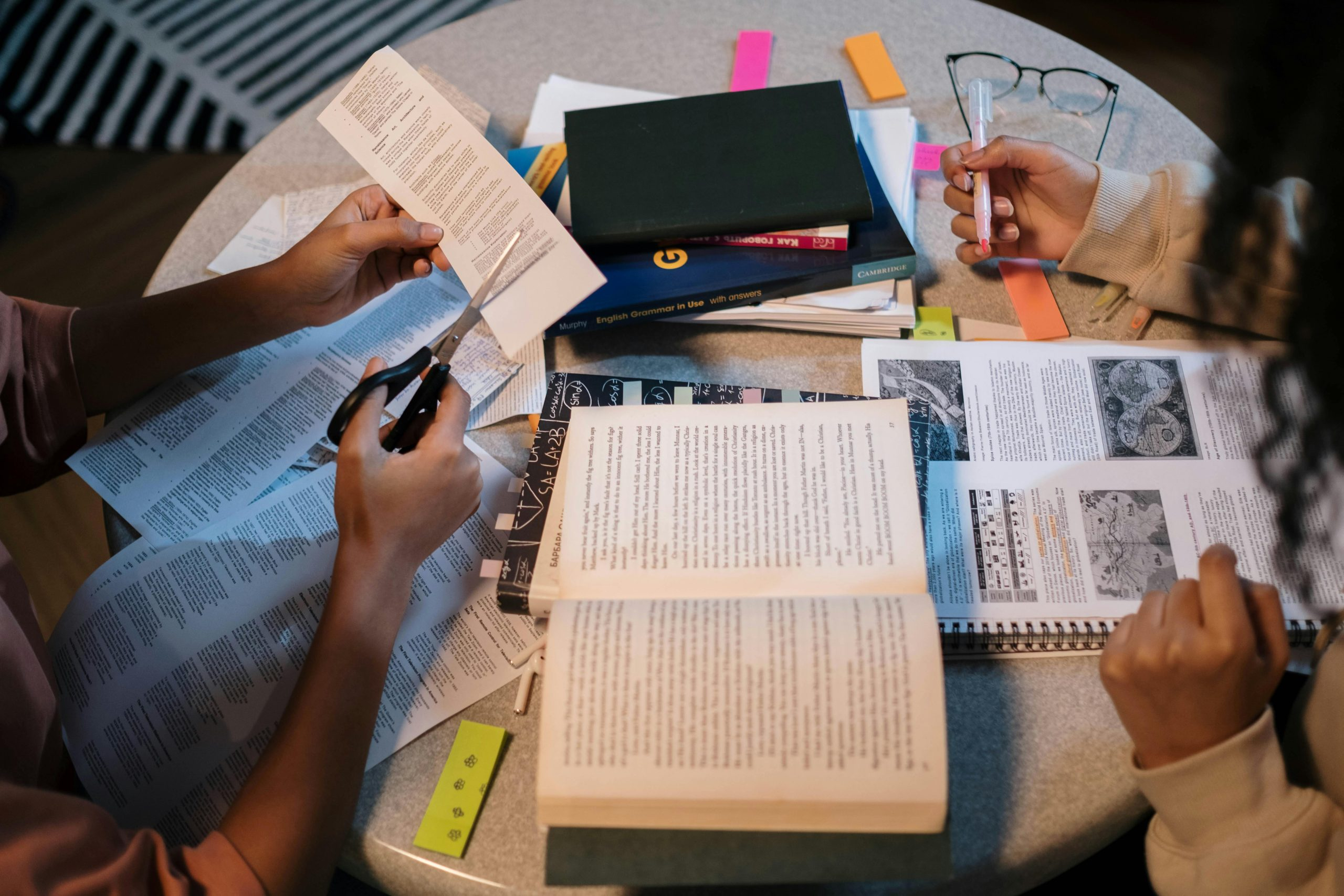
In today’s digital age, access to information and knowledge is becoming increasingly important. This is especially true in the field of education, where students and educators alike are constantly striving to learn and improve. With the rise of open educational resources (OER), there has been a major shift towards making quality educational materials more accessible to all. But what exactly are OERs and what potential do they hold for the future? In this article, we will explore the potential of open educational resources adoption and its impact on the field of education.
The Rise of Open Educational Resources
Before we dive into the potential of OERs, let’s first understand what exactly they are. Open educational resources refer to any type of educational material that is freely available for anyone to use, modify and share. This can include textbooks, courses, videos, audio recordings, and more. The open licensing system allows for the redistribution and adaptation of these resources without any copyright restrictions. This has proven to be highly beneficial, particularly for those who do not have access to traditional educational materials due to financial or geographical constraints.
With the widespread use of technology, OERs have become increasingly popular among educators and students all over the world. These resources can be accessed on various platforms, including the internet, virtual learning environments, and mobile apps. This ease of access has not only made learning more convenient but has also opened up new possibilities for collaborative learning and knowledge sharing.
Exploring the Benefits of OER Adoption
Cost Savings
One of the major benefits of OER adoption is the significant cost savings it offers. Traditional textbooks and educational materials can be quite expensive, making it difficult for some students to afford them. With OERs, students can access high-quality educational resources for free, eliminating the financial burden that often comes with pursuing education. This also allows for more equitable access to education, regardless of one’s financial background.
Diverse Learning Materials
OERs come in different formats, allowing for a more diverse and engaging learning experience. These resources can include interactive videos, simulations, and multimedia presentations, making learning more interactive and interesting. This can be particularly beneficial for students who have different learning styles and need more variety in their study materials.
Customizable Content
Another significant advantage of OERs is their flexibility and customizability. Educators can adapt and modify these resources to suit their specific teaching needs, making the learning experience more personalized for their students. This can be particularly helpful for educators who teach in culturally diverse classrooms, where resources may need to be adapted to fit the students’ cultural backgrounds.
Collaborative Learning
OERs also promote collaborative learning, as they can be easily shared and accessed by anyone. This allows for students and educators from different parts of the world to collaborate and learn from each other. This not only expands students’ knowledge base but also helps them develop important skills, such as communication, teamwork, and global awareness.
Continuous Improvement
With traditional educational materials, updates and revisions can be time-consuming and expensive. However, with OERs, updates and revisions can be made easily and quickly, ensuring that the content is always up-to-date and relevant. This continuous improvement of resources can lead to a more dynamic and effective learning experience for students.
Challenges and Future Outlook
While the potential of OERs is vast, there are also some challenges that need to be addressed. One of the major challenges is the lack of awareness and understanding of OERs in the education community. Many educators are still hesitant to adopt these resources, either due to lack of knowledge or concerns about their quality.
However, with the increasing popularity and use of OERs, it is clear that they are here to stay. With more educators and institutions embracing these resources, the potential for their widespread adoption and impact on education is endless. OERs have the power to revolutionize the way we learn and teach, making education more accessible, affordable, and effective for all.
Conclusion
The potential of open educational resources adoption is undeniable. They offer immense benefits for both students and educators, from cost savings and diverse learning materials to flexibility and collaboration. As technology continues to advance, the importance and use of OERs will only continue to grow. It is up to us, as educators, to embrace these resources and leverage their potential to shape the future of education. After all, in the words of American philosopher and psychologist John Dewey, “Education is not preparation for life; education is life itself.”
Leave a Reply