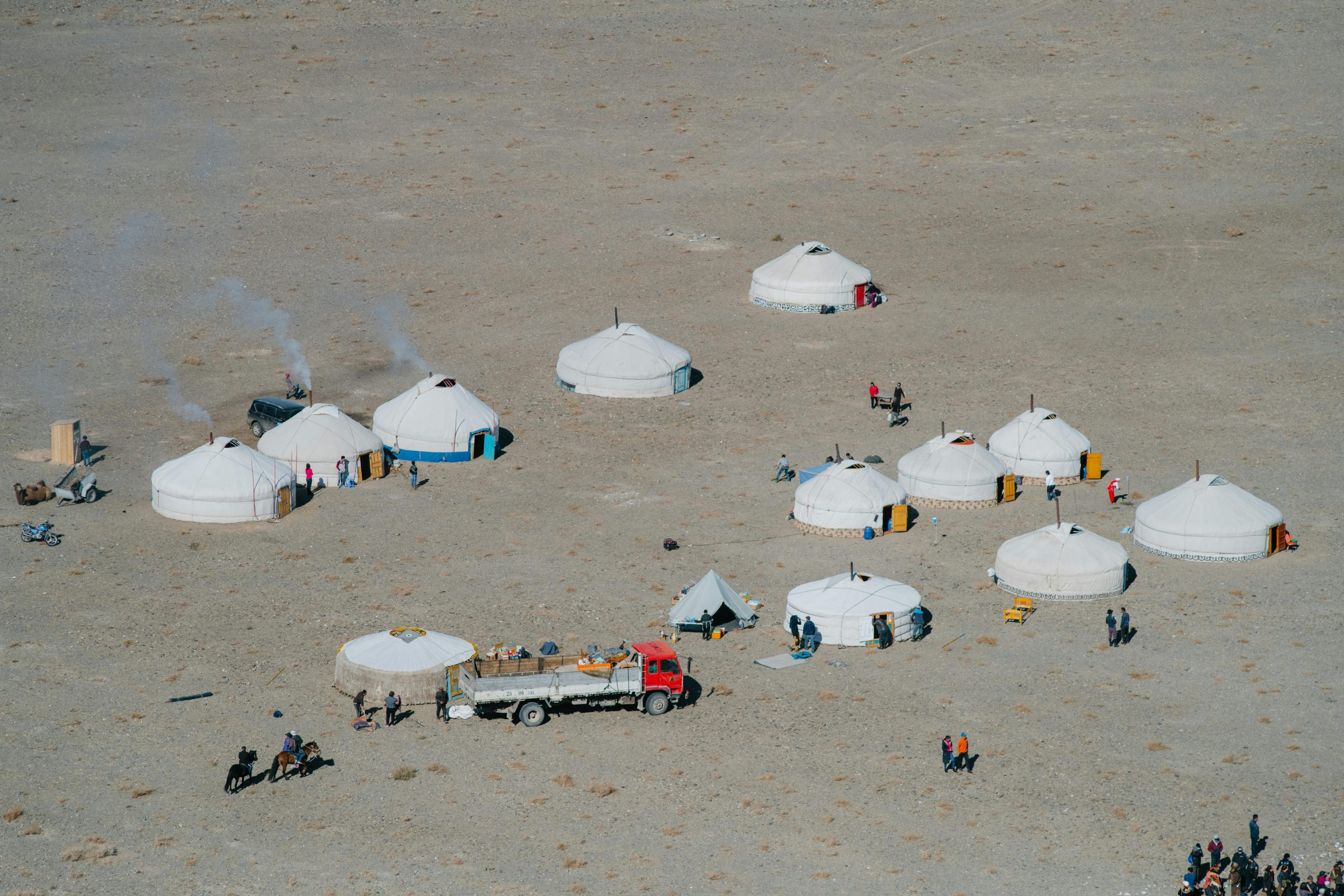
The digital divide has been a persistent issue that has affected many communities around the world. This divide refers to the gap between those who have access to digital platforms and technology, and those who do not. While this issue is often associated with developing countries, it is also prevalent in rural areas of developed countries, particularly in the education sector. In remote rural teaching communities, the lack of access to digital resources and infrastructure has created a significant challenge for both teachers and students. In this article, we will explore the digital divide in these communities and discuss ways to bridge this gap.
The Impact of the Digital Divide on Remote Rural Teaching Communities
Rural teaching communities are often located in areas with limited resources and infrastructure, making access to digital technology a daunting task. This lack of access means that students in these communities are at a disadvantage compared to their urban counterparts. The digital divide not only affects students’ educational outcomes but also limits their opportunities for higher education and employment in the future.
Moreover, this divide also affects teachers in these rural communities. Without access to digital resources, teachers have limited tools for lesson planning, engaging students, and providing quality education. This results in an unequal learning environment, where students in rural areas are denied the same opportunities as those in urban areas. Teachers themselves also face challenges in professional development without access to online learning opportunities.
The Need for Bridging the Digital Divide in Remote Rural Teaching Communities
In recent years, the need for digital literacy and skills has become crucial in the modern world. As technology continues to advance, it is essential that students in remote rural teaching communities have access to the same digital tools and skills as their urban peers. Bridging the digital divide in these communities is necessary to ensure equal educational opportunities and to prepare students for the digital-driven workforce.
Beyond education, bridging the digital divide also has significant economic and social implications. It can improve the livelihoods and economic prospects of rural communities, as well as connect them to the rest of the world. With access to digital technology, rural communities can participate in e-commerce and online entrepreneurship, which can boost their local economies.
Ways to Bridge the Digital Divide in Remote Rural Teaching Communities
Infrastructure and Access
The first step in bridging the digital divide in remote rural teaching communities is to provide the necessary infrastructure and access to digital tools. This includes installing internet connectivity and establishing computer labs in schools. It is crucial to work with government bodies, telecommunication companies, and non-profit organizations to bring digital access to these communities.
Training and Education
Providing digital tools and access to technology is not enough. Teachers and students must also be equipped with the skills and knowledge to use these tools effectively. Training programs and workshops can be organized to educate teachers and students on digital literacy, online safety, and the use of technology in education. Moreover, providing support and resources for professional development opportunities can help teachers stay updated with the latest digital tools and techniques.
Partnerships and Collaboration
Collaboration between schools, universities, non-profit organizations, and private companies can play a significant role in bridging the digital divide. These partnerships can provide access to resources and expertise, as well as opportunities for exchange programs and mentorships. They can also help in fundraising efforts to secure funding for digital infrastructure and resources.
Conclusion
The digital divide in remote rural teaching communities is a significant barrier to quality education and economic development. However, with the right strategies and efforts, this gap can be bridged. It is crucial to recognize the importance of digital access and provide the necessary resources and skills to enable students and teachers in these communities to thrive. By bridging the digital divide, we can build a more inclusive, connected, and prosperous future for these rural communities.
Leave a Reply