Category: Shopping

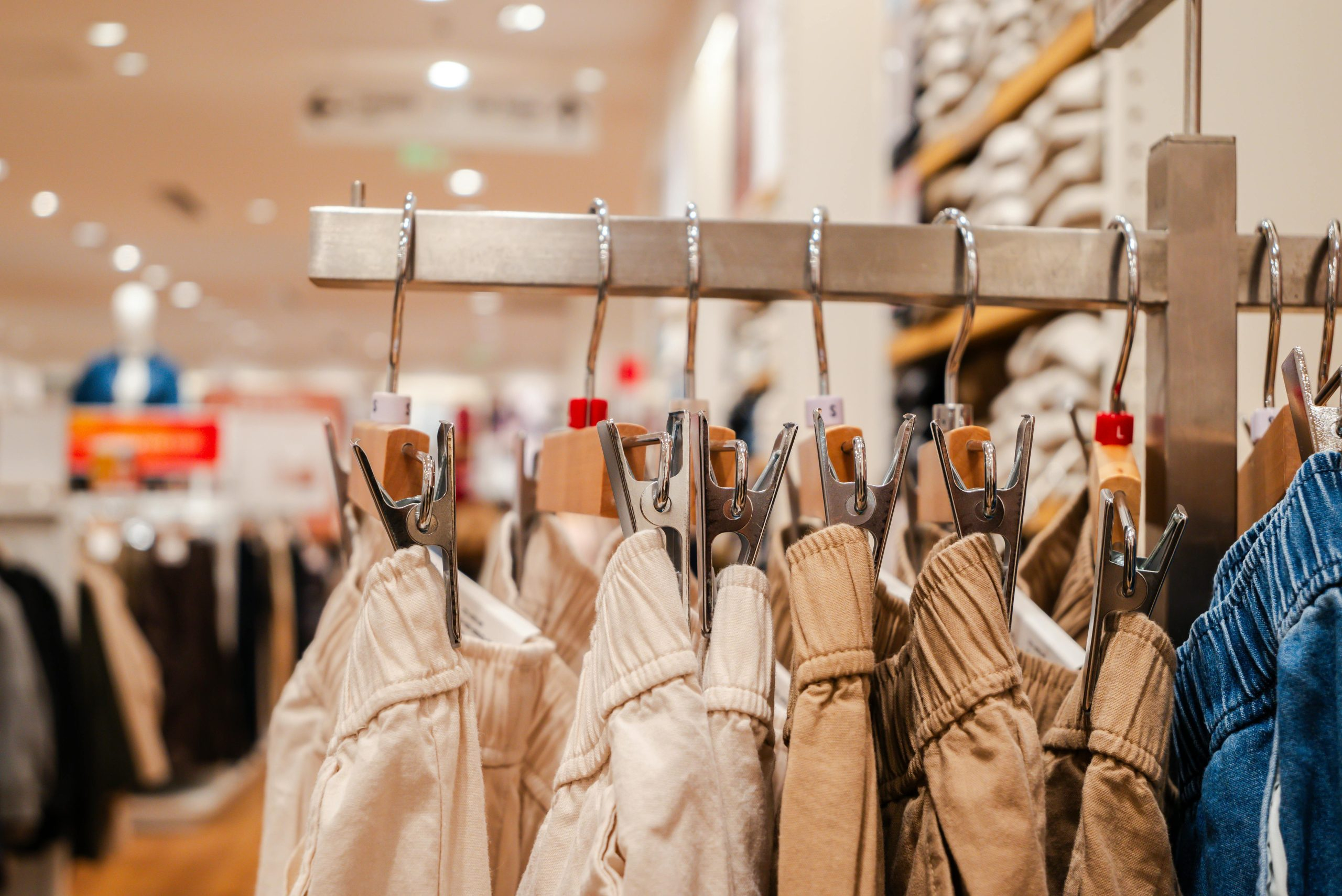
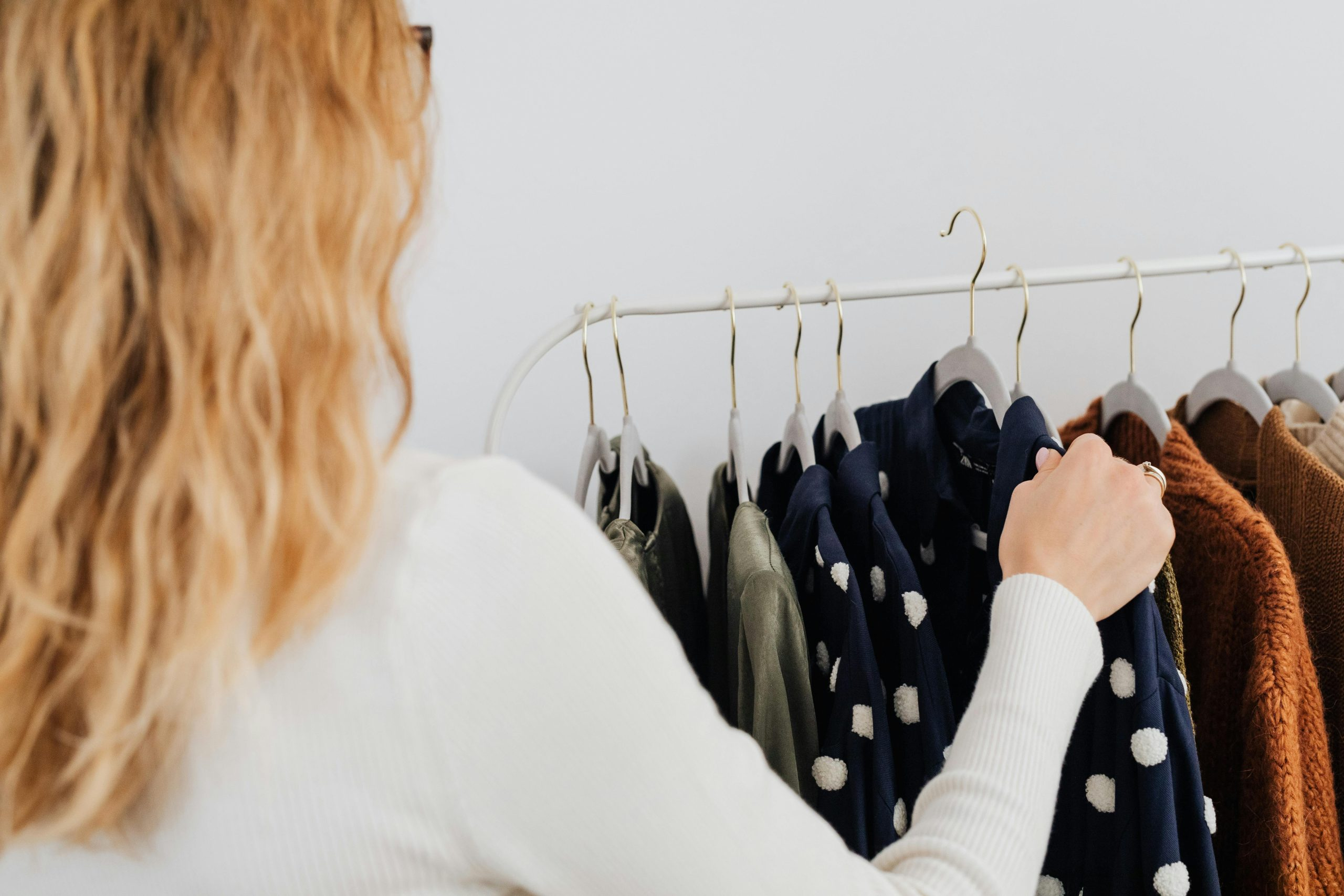
  • How To Shop For Professional Attire On A Tight Budget

    How To Shop For Professional Attire On A Tight Budget

    Shopping for professional attire on a tight budget can be a daunting task. With the expectation of looking polished and put together in the workplace, it can be stressful to navigate the world of workwear, especially when your budget is limited. As someone who has successfully built a professional wardrobe on a tight budget, I have learned some valuable tips and tricks that can help you shop for professional attire without breaking the bank. In this article, I will share my top tips on how to shop for professional attire on a tight budget, so you can confidently dress for success without burning a hole in your wallet.

    Set a realistic budget

    The first step to shopping for professional attire on a tight budget is to set a realistic budget. This will help you determine how much you can afford to spend on your work wardrobe and avoid any unnecessary splurges. Take a look at your current financial situation and determine a reasonable amount that you can allocate for your work attire. Remember, professional attire doesn’t have to break the bank, and a modest budget can still get you some great pieces.

    Shop for timeless and versatile pieces

    In order to stretch your budget and get the most out of your purchases, focus on buying timeless and versatile pieces. Instead of buying trendy pieces that will go out of style soon, invest in classic and timeless pieces that will stay in fashion for years to come. For example, a well-fitted blazer can be dressed up or down, making it a versatile piece that can be worn for various occasions. Opt for neutral colors like black, navy, or grey, as they are not only timeless but also easy to mix and match.

    Shop sales and second-hand

    Shopping sales and second-hand are two great ways to save money on your professional attire. Keep an eye out for end-of-season sales, as well as holiday sales, to snag some great deals on workwear. Additionally, shopping at second-hand stores or online marketplaces can help you find quality professional attire at a fraction of the original cost. Just make sure to take your time and carefully inspect the items before purchasing to ensure they are in good condition.

    Consider alterations

    Another way to save money on professional attire is by considering alterations. Often, the perfect fit can be the difference between looking polished and looking sloppy. If you find a piece that is slightly oversized or needs some small adjustments, consider getting it altered rather than discarding it. It will not only save you money but also ensure that your workwear fits you perfectly.

    Invest in quality pieces

    While it may seem counterintuitive to invest in expensive pieces when shopping on a tight budget, it can actually save you money in the long run. Quality pieces are well-made and can withstand wear and tear, making them a more cost-effective option in the long term. Plus, they tend to look more sophisticated and professional, which is essential in a work setting. Consider investing in key pieces like a quality pair of pants, a classic dress, or a tailored blazer that will last you for years to come.

    Final thoughts

    Shopping for professional attire on a tight budget may seem like a daunting task, but with the right approach, it can be done successfully. By setting a realistic budget, shopping for timeless and versatile pieces, taking advantage of sales and second-hand options, considering alterations, and investing in quality pieces, you can build a professional wardrobe that not only looks great but also saves you money. Remember, the key is to be patient and strategic with your purchases, and you’ll have a polished work wardrobe in no time!


  • Finding The Best Skincare Products Without The Luxury Price Tag

    Finding The Best Skincare Products Without The Luxury Price Tag

    If you’re someone who is serious about taking care of your skin, you know how overwhelming it can be to find the perfect skincare products. With so many options on the market, it can be challenging to choose a product that not only works well but also fits within your budget. This is especially true when it comes to luxury skincare products. While they may promise miraculous results, their high price tags can put a dent in your wallet. However, don’t worry, for there are plenty of affordable skincare products out there that can rival even the most luxurious ones. In this article, we’ll explore the ways you can find the best skincare products without breaking the bank.

    The Importance of Skincare

    Before we dive into finding affordable skincare options, it’s essential to understand the importance of taking care of your skin. Our skin is the largest organ in our body, and it performs many essential functions, such as regulating body temperature, protecting us from external threats, and helping us sense touch.

    Moreover, our skin is also the first line of defense against harmful UV rays, pollution, and other environmental factors that can damage it. As we age, our skin becomes more susceptible to these damages and can cause premature aging, discoloration, and other skin issues. This is why it’s crucial to incorporate a good skincare routine that not only tackles existing skin problems but also prevents future issues.

    The Myth of Luxury Skincare Products

    Before we bust the myth of luxury skincare products, it’s essential to note that not all expensive products are ineffective. However, many luxury brands market their products as superior simply because of their high price tags. This creates a misconception that quality skincare products must come with a hefty price. As a result, many people overlook affordable options and end up spending a significant amount of money on luxury products.

    In reality, the price of a skincare product does not determine its effectiveness. Most luxury products are expensive due to their brand name, packaging, and marketing, rather than the quality of their ingredients. In fact, many affordable skincare products have the same active ingredients as their expensive counterparts, proving that price and quality do not always go hand in hand.

    How to Find Affordable Skincare Products

    1. Know Your Skin Type

    The first step to finding the right skincare products is to understand your skin type. This includes knowing whether you have oily, dry, combination, or sensitive skin. Different skin types require different types of products, and using the wrong ones can cause more harm than good. Invest in a skin consultation with a dermatologist or do your research to determine your skin type.

    2. Read Labels and Ingredients

    When shopping for skincare products, always make it a habit to read the labels and ingredients. Look for active ingredients that are proven to be effective in treating your skin concerns. Also, avoid products with a long list of chemicals, as they can do more harm than good in the long run. Instead, opt for products with natural and gentle ingredients that are suitable for your skin type.

    3. Don’t Fall for Hype and Marketing Tactics

    As mentioned earlier, luxury skincare products often rely on their brand name and marketing tactics to sell their products at a high price. Don’t let flashy advertisements and fancy packaging deceive you. Instead, do your research and read reviews from trusted sources before making a purchase.

    4. Look for Dupes

    If there’s a luxury skincare product that has caught your eye, but the price is out of your budget, look for affordable dupes. Dupes are products that have similar ingredients and effects as their expensive counterparts but come at a fraction of the price. Many beauty bloggers and influencers often compare luxury products with their dupes, making it easier to find affordable alternatives.

    5. Don’t Ignore Drugstore Brands

    Drugstore brands often get a bad reputation for being low quality. However, many drugstore skincare products have proven to be just as effective as luxury ones. These products are often more affordable and easily accessible, making them a convenient option for those on a budget. Don’t be afraid to try out drugstore brands and see the results for yourself.

    Conclusion

    Taking care of your skin shouldn’t have to come at a high cost. With these tips, you can easily find affordable skincare products that are just as effective as their luxury counterparts. Remember, the price does not always determine the quality, and it’s essential to do your research and understand your skin to find the best products that work for you. So, ditch the luxury price tags and opt for affordable skincare products that will keep your skin healthy and glowing without breaking the bank.

  • The Psychology Of Color And Its Impact On Shopping Decisions

    The Psychology Of Color And Its Impact On Shopping Decisions

    When shopping, have you ever stopped to consider why certain products catch your eye? Is it the design or the color that draws you in? The answer could lie in the psychology of color. It may seem like a small detail, but the colors used in marketing and advertising can have a significant impact on our shopping decisions. In this article, we’ll delve into the psychology of color and its influence on our purchasing behavior.

    The Power of Color

    As humans, we are highly visual beings. Our brains are wired to process and respond to colors, making them a powerful tool in marketing and branding. In fact, studies have shown that up to 90% of our initial assessment of a product is based on color alone.

    The use of color can influence everything from our emotions and moods to our behavior and decision-making. And when it comes to shopping, this can have a significant impact on our purchasing choices.

    The Role of Color in Branding

    Before we dive into how color impacts our shopping decisions, it’s important to understand its role in branding. Color is often used as a way to distinguish and differentiate one brand from another. We see this in famous brands like Coca-Cola, Facebook, and Starbucks, who all use specific colors as a key part of their logos and branding. This not only helps with brand recognition but also creates a subconscious association with their products.

    Red: The Color of Excitement

    Red is a color associated with passion, excitement, and energy. It is often used in marketing to create a sense of urgency and encourage impulsive buying. That’s why you’ll often see red used in clearance sales or limited-time offers. Brands like Coca-Cola, Netflix, and Toyota all use red in their logos, evoking feelings of excitement and action.

    Blue: The Color of Trust and Dependability

    Blue is known for its calming and trustworthy qualities. It is often used by brands to build trust and convey reliability. The color is commonly used by financial institutions and tech companies to create a sense of security and professionalism. Brands like PayPal, Facebook, and Dell all use blue as their primary color to establish trust and credibility.

    Yellow: The Color of Optimism

    Yellow is a bright and cheerful color often associated with happiness and optimism. It has been shown to increase feelings of joy and positivity, making it a popular choice for brands in the food industry. Think McDonald’s, Subway, and Lay’s, who all use yellow in their branding to evoke feelings of happiness and positivity.

    The Impact of Color on Shopping Decisions

    With an understanding of how colors are used in branding, we can now explore how they influence our shopping decisions.

    Color can play a significant role in how we perceive a product. Studies have shown that people are more likely to buy a product if it comes in their favorite color. This is because the color triggers positive emotions, making the product more appealing and desirable.

    Brand loyalty can also be influenced by color. When customers associate a particular color with a brand they love, they are more likely to favor that brand over others. This is why brands like Tiffany & Co. and Cadbury have trademarked their specific brand colors, making them instantly recognizable and associated with their products.

    In addition to creating emotional connections and influencing brand loyalty, color can also impact the perceived value of a product. Studies have shown that consumers are willing to pay more for products if they are packaged in colors that align with their expectations of the product’s quality. For example, the color red is often associated with luxury products, causing consumers to believe that a red product is of higher quality and worth the price tag.

    Using Color to Your Advantage

    Now that you understand the psychology of color and its impact on shopping decisions, you can use this knowledge to your advantage in your own branding and marketing efforts.

    Start by understanding your target audience and their preferences. Choose colors that align with their expectations and emotions, making your product more appealing to them. Consider the industry you’re in and the image you want to portray, and use colors that align with those goals.

    Remember, consistency is key. Once you have chosen your brand colors, use them consistently in all your marketing materials to build brand recognition and association for your products.

    Conclusion

    The psychology of color is a powerful tool in marketing and branding. The use of specific colors can create emotional connections, influence decision-making, and even impact perceived value. Understanding the impact of color is essential for businesses looking to make a lasting impression and drive sales. So the next time you’re shopping, pay attention to the colors used in products and marketing, and you may be surprised at how much of an impact they have on your purchasing decisions.

  • How To Maximize Savings During Back To School Sales Events

    How To Maximize Savings During Back To School Sales Events

    The back to school season is quickly approaching, which means it’s time for parents and students to prepare for the new school year. Along with the excitement of new classes and friends comes the inevitable expenses of school supplies, clothing, and other essentials. Thankfully, retailers offer back to school sales events to help families save money. But with so many deals and promotions, it can be overwhelming to know how to take advantage of them. In this guide, we’ll discuss how to maximize savings during back to school sales events, from planning ahead to using coupon strategies. With these tips, you’ll be able to save big and start the school year off on the right foot.

    Start early and make a plan

    The early bird gets the worm, and in this case, the early shopper gets the best deals. Mark your calendar for the start of back to school sales events, which usually begin in July and run through August. This will not only give you time to prepare and make a plan, but it also allows you to beat the crowds and have a better selection of items to choose from.

    Before you start shopping, sit down with your child and make a list of everything they need for the upcoming school year. This includes school supplies, clothing, and any other essentials. Having a list will help you stay focused and avoid unnecessary purchases. It’s also a good idea to set a budget for each category to ensure you don’t overspend.

    Compare prices and use price matching

    Once you have your list of items, it’s time to start looking for deals. Don’t settle for the first store you come across, as different retailers may offer different prices for the same item. Take the time to compare prices online and in-store to find the best deals.

    Many retailers also offer price matching, which means if you find an item at a lower price at a different store, they will match that price. This can save you time and money, as you won’t have to make multiple trips to different stores. Some retailers may also offer a price beat guarantee, where they will not only match the price but also beat it by a certain percentage.

    Sign up for loyalty programs and newsletters

    Before you start shopping, make sure you are signed up for loyalty programs and newsletters from your favorite retailers. These programs often offer exclusive discounts and promotions for members, which can help you save even more during back to school sales events. Plus, you’ll receive notifications about upcoming deals and promotions, so you don’t miss out on any savings opportunities.

    Utilize coupons and promo codes

    Coupons and promo codes are a perfect way to save extra money during back to school sales events. Before you head out to shop, do some research online for any available coupons or promo codes for the stores you plan to visit. You can also use browser extensions like Honey or RetailMeNot, which automatically scan for available coupons and promo codes at checkout.

    In addition to traditional coupons, many retailers offer digital coupons through their apps or loyalty programs. These can be a great way to save money without having to clip or print out physical coupons. Just make sure to read the fine print and check the expiration dates before using them.

    Shop during tax-free weekends

    Many states offer tax-free weekends during back to school sales events to help parents save money on school-related purchases. This means you can purchase eligible items, such as clothing, school supplies, and electronics, without having to pay sales tax. Check your state’s tax-free weekend dates and plan your shopping accordingly to take advantage of this extra savings opportunity.

    Shop in bulk with friends or family

    Another way to maximize savings during back to school sales events is to shop in bulk with friends and family. This can be especially helpful if you have multiple children in school or if you know other families who need the same items. Many retailers offer bulk discounts or buy one, get one free deals, which can help you save even more when shopping together.

    Final thoughts

    With a little planning and strategic shopping, you can make the most out of back to school sales events and save money on your school-related purchases. Remember to start early, compare prices, use coupons and promo codes, and take advantage of loyalty programs and tax-free weekends. By following these tips, you’ll be able to maximize your savings and start the school year off on the right foot without breaking the bank.

  • Smart Strategies For Buying Furniture On A Limited Budget

    Smart Strategies For Buying Furniture On A Limited Budget

    The process of furnishing a home can be exciting but also overwhelming, especially when you are working with a limited budget. Furniture is an essential part of our everyday lives, and finding pieces that are both functional and stylish can be challenging. However, with the right strategies, you can still create a beautiful and comfortable living space without breaking the bank. In this article, we will discuss some smart strategies for buying furniture on a limited budget. So, let’s get started!

    Shop Around and Compare Prices

    Before making any purchase, it’s essential to shop around and compare prices from different stores. Don’t just settle for the first furniture piece you see. Take your time and explore different options, both online and in-store. You’ll be surprised to find the same piece at a lower price elsewhere. This strategy will help you get the most bang for your buck, and you may even stumble upon some great deals and discounts.

    Consider Second-Hand Furniture

    Buying second-hand furniture is an excellent way to save money and still get quality pieces. You can find some hidden gems at thrift stores, garage sales, or even online marketplaces like Craigslist and Facebook Marketplace. Many people sell their gently used furniture at a fraction of the original cost, and with a little bit of cleaning and fixing, you can have a brand new piece for your home. However, make sure to thoroughly inspect the furniture before purchasing and negotiate for a good price.

    Make Use of Promotions and Sales

    Keep an eye out for any promotions and sales from furniture stores. Many stores run sales during different times of the year, and you can take advantage of them to get the furniture you need at a discounted price. Also, consider signing up for store newsletters or following them on social media to get updates on any upcoming sales or promotions.

    Get Creative with DIY

    DIY projects are not only fun but also a great way to save money. Instead of buying new furniture, why not repurpose your old ones or buy used furniture and give them a makeover? With a little bit of paint, some new hardware, and your creativity, you can transform any piece into a unique and stylish addition to your home. Plus, it’s a great way to add a personal touch to your living space.

    Don’t Be Afraid to Negotiate

    Don’t hesitate to negotiate when buying furniture. Many stores are willing to negotiate on the price, especially if you are buying multiple items or purchasing during a sale. Also, don’t be afraid to ask for a lower price or if they can throw in some freebies like delivery or assembly. The worst that can happen is they say no, but you may end up with a better deal by simply speaking up.

    Invest in Quality Pieces

    While it may be tempting to buy cheap furniture to save money, it’s crucial to invest in quality pieces that will last longer. This doesn’t necessarily mean buying the most expensive furniture, but rather choosing pieces made with durable materials and good craftsmanship. In the long run, investing in quality pieces will save you money as they won’t need to be replaced frequently.

    Consider Multifunctional Pieces

    Another smart strategy for buying furniture on a limited budget is to opt for multifunctional pieces. For example, a sofa bed can be used as both a couch and a bed, a storage ottoman can serve as both a footrest and extra storage space, and a dining table with leaves can be extended for larger gatherings. These types of furniture help you save money and space in your home.

    Shop Online

    Shopping online can be a great way to save money on furniture. Many furniture stores offer online-exclusive sales and discounts, and you can compare prices and options from the comfort of your home. Plus, you may even find unique or hard to find pieces that are not available in-store. Just be sure to read reviews and check the return policy before making a purchase.

    Final Thoughts

    Buying furniture on a limited budget may seem daunting, but with these smart strategies, you can create a beautiful and comfortable living space without overspending. Remember to shop around, consider second-hand options, make use of promotions and sales, get creative with DIY, negotiate, invest in quality pieces, and opt for multifunctional pieces. With a bit of patience and smart decision-making, you can furnish your home without breaking the bank.

  • The Rise Of Gender Neutral Fashion In Major Retail Chains

    The Rise Of Gender Neutral Fashion In Major Retail Chains

    >

    In recent years, there has been a noticeable shift in the fashion industry towards embracing gender neutrality. With major retail chains such as Zara, H&M, and ASOS launching gender neutral clothing collections, it is clear that this is not just a passing trend, but a movement towards more inclusive and diverse fashion. This rise of gender neutral fashion in major retail chains is in response to the changing societal attitudes towards gender and a step towards breaking free from traditional gender norms. Let’s explore the factors contributing to this rise and the impact it has on the fashion industry.

    The Gender Binary and Traditional Fashion

    For decades, fashion has been heavily influenced by societal expectations and traditions when it comes to gender. The fashion industry has been dominated by a strict gender binary, with separate sections for men’s and women’s clothing. This approach has limited the choices available for individuals who do not identify with traditional gender roles.

    Gender neutral fashion breaks away from this binary and offers more options for self-expression, regardless of one’s gender identity. It is no longer just about men’s clothing becoming more feminine or women’s clothing becoming more masculine. It’s about creating a genderless space where fashion is not restricted to any gender-specific norms.

    Breaking Stereotypes and Embracing Diversity

    Gender neutral fashion is not just about offering a wider range of clothing options; it’s also about creating a more inclusive and diverse fashion landscape. By offering clothing that is not tied to a specific gender, major retail chains are challenging traditional stereotypes and embracing diversity.

    This shift is also a reflection of the changing attitudes towards gender in society. With a growing awareness and acceptance of gender fluidity, the demand for gender neutral fashion has skyrocketed. Consumers are now looking for pieces that allow them to express their unique style without being confined by societal expectations.

    The Role of Social Media and Influencers

    The rise of gender neutral fashion in major retail chains can also be attributed to the power of social media and influencers. In today’s digital age, social media platforms have become a powerful tool for spreading awareness and initiating change. Influencers, particularly those who challenge traditional gender norms, have played a significant role in promoting and normalizing gender neutral fashion.

    With a large following and a strong influence on their followers, influencers have the ability to shape the way we perceive and consume fashion. By showcasing gender neutral pieces and encouraging their followers to embrace this trend, they have contributed to its rise in major retail chains.

    The Impact on the Fashion Industry

    The rise of gender neutral fashion has had a significant impact on the fashion industry. It has forced major retail chains to rethink their approach to fashion and cater to a more diverse customer base. In doing so, they have also opened up new opportunities for designers and brands to create gender neutral collections, ultimately driving innovation and creativity within the industry.

    This shift has also had a positive impact on society by promoting inclusivity and diversity in the fashion landscape. It sends a powerful message that fashion is not just about conforming to gender norms but about self-expression and personal style.

    In conclusion, the rise of gender neutral fashion in major retail chains is a testament to the changing attitudes towards gender in society and the power of fashion to create a more inclusive and diverse world. With this trend gaining momentum, we can expect to see a more gender neutral approach to fashion in the future, breaking free from traditional gender norms and embracing diversity and self-expression.

  • How To Leverage Customer Reviews For Smarter Product Choices

    How To Leverage Customer Reviews For Smarter Product Choices

    In today’s digital age, customer reviews have become a vital source of information for making smart product choices. With the rise of e-commerce and online shopping, customers now have access to a plethora of product options at their fingertips. But with so many choices to pick from, how can consumers be sure they are making the right decision? The answer lies in leveraging customer reviews. These authentic and unbiased opinions from real users provide valuable insights that can help customers make informed and smarter choices. In this article, we will explore the benefits of utilizing customer reviews and provide tips on how to leverage them for smarter product choices.

    The Power of Customer Reviews

    Now more than ever, consumers heavily rely on online reviews before making a purchase. According to a study by BrightLocal, 86% of consumers read online reviews for local businesses, and 91% of 18-34-year-olds trust online reviews as much as personal recommendations. These numbers highlight the impact that customer reviews have on a consumer’s decision-making process. So, why are customer reviews so influential?

    1. Social Proof

    Customer reviews act as social proof, assuring potential buyers that others have used the product and had a positive experience. When a consumer sees that a product has numerous positive reviews, it builds trust and encourages them to make the purchase.

    2. Authenticity

    Unlike traditional marketing efforts, customer reviews are authentic, unbiased, and unfiltered. This creates a sense of transparency and honesty, making consumers believe in the credibility of the product and the brand.

    3. Detailed Feedback

    Customer reviews provide detailed feedback that goes beyond the product description. Consumers can gain insight into the quality, durability, and performance of the product directly from others who have used it.

    How to Leverage Customer Reviews for Smarter Product Choices

    1. Read Multiple Reviews

    When it comes to customer reviews, the more, the better. Don’t rely on a single review, as it may not be a true representation of the product. Instead, take the time to read multiple reviews to get a better understanding of the product’s overall performance and quality.

    2. Look for Consistent Feedback

    While reading multiple reviews, pay attention to the comments that appear repeatedly. If several reviews mention the same issue or highlight a particular feature, it is likely to be true. Consistent feedback paints a more accurate picture of the product and its strengths and weaknesses.

    3. Consider the Source

    When reading customer reviews, consider the source of the review. Verified purchase reviews are given more weight because the reviewer has actually used the product. It is also helpful to read reviews from verified buyers who have similar preferences or needs as you.

    4. Be Cautious of Extreme Reviews

    Extreme reviews, either highly positive or negative, should be taken with a grain of salt. It is common for some companies to pay for fake positive reviews or competitors to write fake negative reviews to mislead consumers. Be cautious and look for balanced and detailed feedback.

    5. Use Review Aggregator Websites

    Review aggregator websites like Yelp, Google Reviews, and TripAdvisor compile user reviews from various sources, making it easier to compare and contrast products. These websites also have features like filters and sorting options to help consumers find the most relevant and helpful reviews.

    6. Check for the Latest Reviews

    Products can undergo changes, improve or decline over time. It is crucial to check for the latest reviews to get the most accurate and up-to-date information about the product.

    The Downside of Relying Solely on Customer Reviews

    While customer reviews are a valuable source of information, there are a few downsides to solely relying on them for smart product choices. Here are a few things to keep in mind:

    1. Biased Reviews

    As mentioned earlier, some reviews may be fake, either highly positive or negative, to influence consumer decisions. It is crucial to be cautious and consider multiple sources.

    2. Limited Knowledge

    Customer reviews are based on personal experiences and preferences and may not necessarily align with yours. Consider your own needs and preferences before making a purchase instead of solely relying on reviews.

    In Conclusion

    Customer reviews are a powerful tool that can help consumers make smarter product choices. By reading multiple reviews, considering the source, and looking for consistency, consumers can leverage these opinions to make informed and confident purchases. However, it is essential to use reviews as a factor in decision-making and not the sole determinant. With a strategic approach, customer reviews can be a valuable asset in finding the right product for your needs.

  • The Future Of Contactless Payments In Modern Retail Stores

    The Future Of Contactless Payments In Modern Retail Stores

    In recent years, contactless payment methods have revolutionized the way we make transactions. From tapping your card at the checkout to paying with your smartphone, these convenient and fast options have become a preferred choice for many consumers. And with the current global pandemic, the demand for contactless payments has only accelerated. In fact, according to a survey conducted by Mastercard, 79% of consumers worldwide are now using contactless payments, with 74% saying they will continue to do so even after the pandemic ends. In this article, we’ll dive into the future of contactless payments in modern retail stores and how it’s shaping the way we shop.

    The Rise of Contactless Payments

    Gone are the days of fumbling for cash or swiping your card at the checkout. Contactless payments use Near Field Communication (NFC) technology to allow customers to make transactions by simply tapping their card or phone on a payment terminal. This seamless process eliminates the need for physical contact or exchanging cash, making it a perfect option for our contactless world.

    Convenience and Speed

    The main appeal of contactless payments is its convenience and speed. As consumers, we want a quick and hassle-free experience when making purchases. With contactless payments, gone are the days of waiting in long lines or dealing with slow payment systems. Just a quick tap and you’re good to go.

    Security and Fraud Prevention

    One of the biggest concerns surrounding any form of payment is security. Contactless payments have multiple layers of security measures in place, making it a safer option compared to traditional methods. Most contactless transactions have a limit, usually around $100, which helps prevent fraud in case of a lost or stolen card. Additionally, with the use of encrypted data and tokenization, even if a hacker were to intercept the transaction, they wouldn’t be able to access any sensitive information.

    The Future of Contactless Payments in Retail Stores

    The future of contactless payments in modern retail stores is only getting brighter. As technology continues to advance, we can expect to see even more innovative and convenient options for consumers. Here are some of the ways contactless payments will shape the future of retail stores.

    Expansion to Small and Medium Businesses

    While contactless payment options were initially only available at larger retailers, we are now seeing a growing trend of small and medium businesses adopting these methods. This is especially true in response to the pandemic, where many businesses have shifted to online and mobile ordering and payments. We can expect this trend to continue, with more and more businesses realizing the benefits of contactless payments for their customers.

    Integration with Loyalty Programs and Rewards

    Integrating loyalty programs and rewards into contactless payments has proven to be a successful tactic for retailers. Customers are more likely to make purchases when they know they can earn rewards or loyalty points, and with contactless payments, these rewards can be easily tracked and applied. We can anticipate more retailers incorporating this feature to enhance customer loyalty.

    Expansion to Wearable Technology

    With the rise of wearable technology, we can expect to see an even more seamless payment experience in the future. From smartwatches to fitness trackers, these devices have the capability to store payment information and make contactless transactions. This not only adds to the convenience factor but also eliminates the need for carrying cards or phones.

    Implementation of Biometric Authentication

    Moreover, we can also expect to see the implementation of biometric authentication in contactless payments. This could include features such as fingerprint or facial recognition, adding another layer of security and making the payment process even more efficient.

    Conclusion

    It’s evident that the future of contactless payments in modern retail stores is brighter than ever. With increasing demand and advancements in technology, we can expect to see more innovative and convenient options that will shape the way we shop. Not only are contactless payments safer and quicker, but they also provide a frictionless experience that will continue to appeal to consumers worldwide. So, whether you’re a retailer or a customer, be prepared to embrace the future of payments, where convenience and security go hand in hand.

  • Why Comparison Shopping Is Essential For Major Electronics Purchases

    Why Comparison Shopping Is Essential For Major Electronics Purchases

    When it comes to making major electronics purchases, it’s easy to get overwhelmed by all of the options available. With new models and brands constantly entering the market, it can be difficult to determine which product will best meet your needs and budget. This is where comparison shopping becomes essential. By taking the time to compare prices, features, and reviews, you can ensure that you make an informed decision and get the most value out of your purchase.

    Understanding the Importance of Comparison Shopping

    Many consumers make the mistake of assuming that all products within the same category are more or less the same. However, this is far from true, especially in the world of electronics. From smartphones and laptops to TVs and home appliances, there are countless variations in terms of quality, features, and pricing.

    This is where comparison shopping comes in. By browsing through different retailers and online stores, you can get a better idea of the various products available and their corresponding prices. This not only allows you to find the best deal, but it also helps you to understand the value of each product and make a more informed decision.

    The Benefits of Comparison Shopping for Major Electronics Purchases

    Get the Best Price

    The most obvious benefit of comparison shopping is the ability to find the best price for the product you want. By comparing prices from different retailers, you can save money by choosing the option that offers the best value for your budget. This is particularly important for major electronics purchases, which can be quite costly.

    For example, you may find that a certain laptop model is priced significantly lower at one retailer compared to another. This could be due to a promotion, discounts, or simply a difference in pricing strategies. By taking the time to compare prices, you can save a significant amount of money on your purchase.

    Discover Exclusive Deals and Promotions

    In addition to finding the best price, comparison shopping can also help you to discover exclusive deals and promotions. Many retailers offer discounts and promotions for specific products, especially during holiday seasons and major sales events. By comparing prices, you can easily spot these deals and take advantage of them to save even more money on your purchase.

    Find the Perfect Product for Your Needs

    Comparison shopping is not just about finding the best price – it also helps you to find the perfect product for your needs. By browsing through different retailers and comparing features, you can identify the product that offers the best value for your specific requirements.

    For example, you may be looking for a specific feature in a laptop, such as a long battery life or a high-resolution display. By comparing different models and their corresponding features, you can easily find the product that meets your needs and budget.

    Get an Idea of Product Quality

    One of the biggest drawbacks of online shopping is that you can’t physically touch or test a product before purchasing it. While online stores usually provide detailed descriptions and images, it can still be difficult to get a full understanding of a product’s quality without comparing it to similar products.

    Comparison shopping allows you to read reviews and ratings from different retailers and customers, giving you a better idea of the product’s quality and performance. This is especially important for major electronics purchases, as these products can be quite expensive.

    Final Thoughts

    Comparison shopping is essential for making major electronics purchases. By taking the time to compare prices, features, and reviews, you can save money, discover exclusive deals, find the perfect product for your needs, and get a better idea of product quality. So, the next time you’re looking to make a major electronics purchase, remember to take a few extra minutes to comparison shop – it will be worth it in the end.

  • The Impact Of Influencer Marketing On Modern Consumer Trends

    The Impact Of Influencer Marketing On Modern Consumer Trends

    S

    In today’s digital age, the rise of social media and online platforms has created new opportunities for businesses to reach potential consumers. With the proliferation of influencers – individuals who have gained a significant following on social media – influencer marketing has become a popular strategy for companies to connect with their target audience. This blending of advertising and social media has not only changed the way companies interact with consumers, but it has also had a profound impact on modern consumer trends.

    The Power of Influencers

    Influencers have the ability to sway the opinions and purchasing decisions of their followers – who can number in the millions – through their relatable and authentic content. By partnering with influencers, companies can tap into their loyal and engaged fan base, gaining access to a highly targeted and receptive audience. This has proven to be a successful tactic, with studies showing that influencer marketing campaigns can generate up to 11 times higher return on investment compared to traditional forms of advertising.

    The Shift in Consumer Behavior

    The rise of influencer marketing has resulted in a shift in consumer behavior – particularly among younger generations. Unlike traditional advertising, which is often seen as intrusive and inauthentic, influencer marketing is more subtle and feels like a recommendation from a friend. This has led to a rise in trust and brand loyalty amongst consumers towards brands that are endorsed by their favorite influencers. As a result, businesses are now putting more emphasis on building relationships with influencers to reach their target audiences.

    The Impact on Purchase Decisions

    Influencers have also played a significant role in shaping modern consumer trends. With their highly curated content and aesthetic, they have the power to make products seem aspirational and desirable. This has resulted in consumers becoming more influenced by influencers’ product endorsements and incorporating these products into their lifestyle choices. From fashion and beauty to technology and travel, influencers have the ability to shape consumer trends in various industries.

    The Rise of Micro-Influencers

    Influencers come in all shapes and sizes, and with the rise of social media platforms such as Instagram, Twitter, and YouTube, a new category of influencers has emerged – the micro-influencers. These individuals have fewer followers (usually between 1,000 to 10,000), but they have a highly engaged audience and a strong niche following. Brands have now started to utilize micro-influencers as they provide a more affordable and authentic option for reaching a target audience.

    The Evolving Role of Social Media

    The impact of influencer marketing on modern consumer trends has also changed the way we use social media. As more businesses collaborate with influencers, social media has become a platform for not only connecting with friends but also for discovering and purchasing new products. With features like Instagram’s swipe-up links and YouTube’s shoppable ads, social media has made it easier for consumers to engage with influencer-endorsed products and make a purchase without ever leaving the platform.

    Looking Ahead

    The rise of influencer marketing has undoubtedly had a significant impact on modern consumer trends, and this trend is only set to continue in the future. With the growing influence of social media and the increasing desire for authentic communication, influencer marketing will continue to be a crucial tool for businesses to connect with their target audience. As consumers become more reliant on recommendations from their favorite influencers, brands will need to adapt and evolve their marketing strategies to stay relevant and engage with their audience.

    In Conclusion

    The impact of influencer marketing on modern consumer trends has been significant and is continually evolving. As influencer marketing continues to grow, businesses will need to keep up with these changes and adapt to the ever-shifting landscape of social media and influencer culture. The power of influencers to sway consumer opinions and shape purchasing decisions is undeniable, and it is imperative for companies to tap into this trend to stay ahead in today’s competitive market.

  • The Evolution Of Mall Culture In A Digital First World

    The Evolution Of Mall Culture In A Digital First World

    In recent years, the rise of technology and the digital age has drastically changed the way we live our lives. From the way we communicate to the way we shop, everything is becoming more and more digitalized. This shift has not only affected individuals, but it has also had a profound impact on traditional industries and their business models, such as the once vibrant mall culture. In this article, we will explore the evolution of mall culture in a digital first world and how it has adapted to the changing times.

    The Beginning of Mall Culture

    The concept of a shopping mall as we know it today, first originated in the United States in the early 1950s. They were designed as large, enclosed retail spaces with multiple stores and a central atrium for leisure activities. At that time, going to the mall was not just about shopping, it was also a social event. Families and friends would gather together to browse, shop and eat, all in one place.

    The Rise of Department Stores and Anchor Tenants

    In the 1960s and 1970s, department stores and anchor tenants began to play a major role in mall culture. These large stores, such as Macy’s and Sears, attracted a large number of customers and helped to drive foot traffic to the mall. Their presence also brought in smaller retailers who wanted to be located near these popular stores, thus increasing the popularity and success of the mall.

    The Golden Age of the Mall

    Throughout the 1980s and 1990s, shopping malls reached their peak in popularity. With the rise of suburban living and the increase in disposable income, malls became the go-to destination for all types of consumer needs. They evolved from just being a place to shop, to a place for entertainment, with the addition of movie theaters, arcades, and play areas for children. For many, the mall was not just a shopping center, but a social hub and a symbol of American culture.

    The Impact of the Digital Revolution

    However, the turn of the century brought about a major shift in consumer behavior with the advent of the internet and e-commerce. The rise of online shopping and the convenience of doorstep delivery made it easier for people to find what they wanted without leaving their homes. This had a major impact on the traditional brick and mortar retail industry, including shopping malls.

    The Decline of Foot Traffic

    As the number of online shoppers increased, so did the decline in foot traffic to malls. Consumers no longer needed to physically visit a store to make a purchase. This resulted in a decrease in sales for many retailers, leading to store closures and bankruptcies. With fewer people visiting malls, the social and cultural aspect of mall culture began to fade away. The once bustling corridors of shopping malls became noticeably quieter.

    The Rise of the Omni-Channel Experience

    In order to survive in the digital age, malls had to adapt. Many malls started to incorporate a more omni-channel approach, where they provided an online platform for their retailers to sell their products in addition to their physical stores. This not only helped to drive sales, but it also offered consumers the convenience of shopping online and picking up their purchases in-store. Some malls even offer same-day delivery services for online purchases, blurring the lines between traditional brick and mortar shopping and e-commerce.

    The Future of Mall Culture

    As we continue to move towards a digital first world, malls must continue to evolve and adapt in order to stay relevant. This may mean incorporating more technology into the shopping experience, such as virtual reality changing rooms and interactive mirrors. It may also mean focusing on creating a unique and immersive experience for consumers, rather than just being a place to buy things. Some malls have already started to rebrand themselves as lifestyle centers, with a mix of retail, entertainment, and dining options, in an attempt to attract a younger, tech-savvy audience.

    The Importance of Community and Connection

    Despite the rise of online shopping, malls will always have an advantage in providing consumers with a sense of community and connection. Human beings are social creatures, and shopping in physical stores still offers the opportunity for face-to-face interactions and a sense of belonging. The key for malls in the future will be to provide a balance between the convenience of e-commerce and the human connection of in-store shopping.

    In Conclusion

    The evolution of mall culture in a digital first world has been a bumpy ride, but malls have proven to be resilient. They have adapted to the changing consumer behavior and have continued to provide a physical space for people to gather and socialize. As technology continues to advance, we can expect malls to continue to evolve and surprise us with new and innovative ways to attract and retain customers. Ultimately, it is up to us, the consumers, to decide the fate of mall culture in a digitally-driven world.

  • How To Utilize Cashback Apps For Every Single Purchase

    How To Utilize Cashback Apps For Every Single Purchase

    Are you tired of spending money without getting any return? Want to save more while making purchases? Then look no further, because cashback apps are here to help you out! As the online shopping industry continues to grow, there are more and more ways to save money while making purchases. One of the easiest and most efficient ways is by utilizing cashback apps. In this article, we will explore everything you need to know about cashback apps and how to effectively use them for every single purchase. Let’s dive in!

    What are Cashback Apps?

    Cashback apps are smartphone applications that offer you cashback or rewards for making purchases through their platform. These apps partner with retailers and receive a commission for every sale directed through their platform. They, in turn, share a part of that commission with their users in the form of cashback, points, or rewards.

    How do Cashback Apps Work?

    The process of using cashback apps is simple and straightforward. First, you need to download the app from the app store and create an account. Then, browse through the various offers and retailers available on the app. Once you have found the product or service you want to purchase, click on the link or button that directs you to the retailer’s website. Make the purchase as usual, and the cashback app will track your purchase and credit the cashback or rewards to your account.

    Types of Cashback Apps

    There are various types of cashback apps available, such as:

    1. Browser Extension Cashback Apps

    These apps are browser extensions that you install on your computer or laptop. Every time you shop online, the extension will notify you if there are any cashback offers available. This type of app is convenient for those who shop online frequently.

    2. In-store Cashback Apps

    These apps provide you with cashback or rewards when you make purchases in physical stores. They work by linking your credit or debit cards to the app and tracking your purchases when you make a payment at the store.

    3. Direct-to-Consumer Cashback Apps

    These apps offer rewards or cashback for purchases made directly from the app. Some of these apps have their own e-commerce platforms, while others partner with retailers and offer exclusive deals to their users.

    Benefits of Using Cashback Apps

    Now that you understand how cashback apps work let’s look at some of the benefits of using them:

    1. Save Money

    The most obvious benefit of using cashback apps is that you get to save money on every purchase. With these apps, you can get a percentage of your purchase back, which can add up to significant savings over time.

    2. Convenience

    As mentioned earlier, using cashback apps is a simple and convenient process. You can access them anytime, anywhere, and receive rewards or cashback on your purchases without any additional effort.

    3. Wide Range of Retailers

    Cashback apps partner with a variety of retailers, both online and offline, giving you an extensive range of options to choose from. This means you can use the app for all your purchases, no matter where you make them.

    4. Stackable with Other Discounts

    Cashback apps can be used in combination with other discounts, such as coupons or sales, allowing you to save even more money on your purchases.

    How to Maximize the Use of Cashback Apps

    Now that you know the benefits of cashback apps, here are some tips to help you maximize their use:

    1. Choose the Right App for You

    With so many cashback apps available, it can be challenging to determine which one is best for you. Do some research and find an app that offers cashback on the retailers you frequent the most.

    2. Check for Daily Deals or Bonuses

    Many cashback apps offer daily deals or bonuses, which can earn you extra cashback or rewards. Be sure to check the app daily to take advantage of these offers.

    3. Refer Friends and Family

    Cashback apps often have a refer-a-friend feature, which allows you to earn additional rewards or cashback for every person you refer to the app. Take advantage of this feature by sharing the app with your friends and family.

    Conclusion

    Cashback apps are a great way to save money on your purchases without any additional effort. By choosing the right app and following the tips mentioned above, you can make the most out of these apps and stretch your budget further. Happy shopping!

  • Mastering Black Friday Without Losing Your Sanity Or Budget

    Mastering Black Friday Without Losing Your Sanity Or Budget

    Attention all bargain hunters and Black Friday enthusiasts, the most awaited shopping day of the year is just around the corner! Black Friday has become a popular tradition where retailers offer irresistible deals and discounts, drawing millions of shoppers to their stores. However, with the frenzy and chaos that ensues, many people end up overspending, losing their sanity, and in some cases, even their budget. But don’t worry, we’ve got you covered. In this article, we’ll share some valuable tips on how to master Black Friday without losing your sanity or budget. So, grab a cup of coffee and get ready to make the most out of this shopping extravaganza.

    Plan Ahead to Stay Sane and Save Money

    Before you head out for your Black Friday shopping, it’s important to have a solid game plan. Unplanned shopping trips often result in overspending and impulse buying. So, start by creating a list of the items you need and prioritize them according to your budget and preferences.

    Research Deals and Discounts

    Black Friday deals can be overwhelming, with retailers offering huge discounts on almost everything. But don’t fall for the hype. Take some time to do your research and compare prices. Look for flyers, browse online deals, and make a note of the items you want to buy. This will not only help you stay within your budget but also prevent you from getting distracted by other tempting deals.

    Create a Budget and Stick to It

    Black Friday can easily make a dent in your budget if you’re not careful. It’s crucial to set a budget and stick to it while shopping. Consider creating a separate Black Friday budget and avoid using credit cards. This will help you avoid overspending and stay financially sane amidst the frenzy of deals and discounts.

    Choose Your Shopping Destination Wisely

    The key to mastering Black Friday is choosing the right shopping destination. While big-box retailers offer huge discounts and doorbuster deals, they also attract massive crowds and long lines. Consider shopping at smaller local stores or online to avoid the chaos and madness. Online shopping has become increasingly popular in recent years, as retailers offer exclusive deals and discounts for online shoppers. So, if you’re not a big fan of large crowds, shopping from the comfort of your home is a great option.

    Arrive Early and Shop Smart

    If you decide to go to physical stores, arriving early is crucial. Retailers often have limited quantities of big-ticket items, and arriving late can result in missing out on your desired products. Also, make sure to have a backup plan if the items on your list are sold out. Consider buying them online or from other stores to avoid disappointment. Moreover, be aware of store policies and return policies before making a purchase. This will save you from potential headaches and hassle in case you need to return or exchange a product.

    Use Technology to Your Advantage

    Technology has made Black Friday shopping a lot easier. With numerous apps, websites, and social media platforms dedicated to finding the best Black Friday deals, you can stay updated on the latest offers and discounts. These tools can also help you find the best prices and compare deals across different stores. You can also set up alerts for your desired products, so you don’t miss out on any amazing deals.

    Take Advantage of Cashback and Reward Programs

    Many retailers offer cashback and reward programs, especially on Black Friday. Before making any purchase, check if the retailer has a loyalty program and sign up for it. This will help you earn points, rewards, and even cash back on your purchases, making your shopping experience even more beneficial.

    In Conclusion

    Black Friday doesn’t have to be a stressful and chaotic experience. With the right planning, budgeting, and smart shopping, you can master this shopping extravaganza without losing your sanity or budget. Remember, it’s important to prioritize and stay focused on your shopping list to avoid impulsive buying. So, follow these tips and make the most out of Black Friday deals while keeping your bank account and sanity intact. Happy shopping!

  • The Essential Guide To Safe And Secure Online Transactions

    The Essential Guide To Safe And Secure Online Transactions

    In the digital age, online transactions have become an essential part of our daily lives. From online shopping to bill payments, we rely heavily on the internet for our financial transactions. While this level of convenience is unmatched, it also comes with a great responsibility. With the rising number of cybercrimes, it has become crucial to ensure safe and secure online transactions. In this article, we will discuss the essential guide to ensure the safety and security of your online transactions.

    Understanding Online Transactions

    Before we dive into the safety measures, let’s understand what online transactions are and how they work. Online transactions are any financial activities conducted on the internet. This can include online banking, e-commerce purchases, bill payments, and more. The process usually involves providing sensitive information such as credit card details, bank account numbers, and personal information. This information is then used to complete the transaction.

    The Importance of Safe and Secure Online Transactions

    With the growing number of cybercrimes, it has become critical to ensure the safety and security of online transactions. According to a study by Juniper Research, online fraud is expected to cost businesses over $48 billion annually by 2023. This staggering amount highlights the need for safe and secure online transactions. Not only does it protect the user’s financial information, but it also prevents fraud and identity theft.

    The Essential Guide to Safe and Secure Online Transactions

    Now that we understand the importance of safe and secure online transactions, let’s discuss the essential guide to ensure it. These are some key measures that you can take to protect yourself and your finances.

    Choose Reputable Websites

    The first step to ensuring safe and secure online transactions is to choose reputable websites. When making online purchases or payments, make sure the website is legitimate and trustworthy. Look for security symbols such as HTTPS, a lock icon, and a valid SSL certificate. These symbols indicate that the website is secure and uses encryption to protect your information.

    Keep Your Software Up to Date

    Outdated software can leave your devices vulnerable to cyber-attacks. Make sure to keep your computer’s operating system, web browser, and anti-virus software updated. This will ensure that you have the latest security patches and protection against malware and viruses.

    Use Strong and Unique Passwords

    Your password is the first line of defense against cyber-attacks. Make sure to use strong and unique passwords for all your online accounts. Avoid using common or easily guessable passwords such as your name or date of birth. Consider using a password manager to create and store strong passwords for all your accounts.

    Be Mindful of Public Wi-Fi

    Public Wi-Fi networks are convenient, but they can also put your online transactions at risk. Avoid making financial transactions while connected to a public Wi-Fi network. If you have to use public Wi-Fi, consider using a Virtual Private Network (VPN) to secure your connection.

    Monitor Your Accounts

    Keeping a close eye on your bank and credit card accounts is crucial for detecting any fraudulent activities. Regularly monitor your accounts and report any suspicious transactions to your bank or credit card company immediately.

    Use Two-Factor Authentication

    Two-factor authentication (2FA) adds an extra layer of security to your online accounts. It requires you to provide an additional code or password, usually sent to your phone, to complete a transaction. This feature makes it harder for hackers to gain access to your accounts, significantly reducing the risk of unauthorized transactions.

    Never Click on Suspicious Links or Open Suspicious Emails

    Phishing scams can trick you into providing your sensitive information, putting your online transactions at risk. Always be cautious of suspicious links or emails from unknown sources. Never click on links or open attachments from unfamiliar senders, as they may contain malware or viruses that can compromise your security.

    Conclusion

    In today’s digital world, it is crucial to prioritize the safety and security of online transactions. By following these essential tips, you can significantly reduce the risk of falling victim to cyber-attacks or fraud. Always remember to be cautious and vigilant when making financial transactions online. Stay safe, and happy transacting!

  • How To Negotiate Better Prices At High End Antique Markets

    How To Negotiate Better Prices At High End Antique Markets

    Are you a vintage lover who enjoys collecting unique and rare antiques? If so, you may know that scouring through high-end antique markets can be an exhilarating experience. The thrill of finding that perfect piece to add to your collection can quickly turn into a disappointment when you realize the hefty price tag attached to it. But don’t despair, negotiating for better prices at these upscale markets is not only possible, but it can also save you a significant amount of money. In this article, we will share some valuable tips on how to negotiate better prices at high-end antique markets. So, let’s get started!

    Do Your Research

    The first step to being a skilled negotiator at high-end antique markets is understanding the market. Research the items you are interested in and get an idea of their market value. This will help you determine a fair price and give you leverage during negotiations. It’s also essential to understand the seller’s pricing strategy. Are they pricing based on rarity, quality, or demand? Knowing this information will help you tailor your negotiation approach accordingly.

    Arrive Prepared

    Before heading to the high-end antique market, have a game plan in place. Bring cash with you, as it can be a powerful bargaining tool. Also, make sure you have done your research and have a list of items you are interested in purchasing. This will help you stay focused and avoid impulse buying. Don’t forget to dress the part, as your appearance can also influence the seller’s perception of you.

    Be Courteous and Build Rapport

    When approaching a seller, it’s essential to be polite and courteous. Remember, negotiation is a delicate process, and building a good rapport with the seller can go a long way. Start by asking questions about the item’s history, provenance, and any other relevant details. This shows your interest and may give you an advantage during negotiations. Also, try to find common ground with the seller. A shared interest or a compliment can help build a positive relationship.

    Make a Realistic Offer

    Once you have established a good rapport, it’s time to make an offer. Start by offering a fair and reasonable price, lower than the asking price, but not too low that it’s insulting. Remember, the seller needs to make a profit, so don’t lowball. Instead, explain your reasoning for the offer based on your research. If the seller refuses, don’t be discouraged, and continue negotiating until you reach a mutually acceptable price.

    Find Ways to Add Value

    If the seller is still firm on their price, try to find ways to add value to your offer. For example, offer to pay in cash, buy multiple items, or purchase other items the seller may be struggling to sell. Alternatively, consider asking for additional items or services to be included in the sale, such as delivery, restoration, or a certificate of authenticity. These added benefits can help influence the seller to accept your offer.

    Be Willing to Walk Away

    Negotiations can be a lengthy and exhausting process. So, it’s essential to know when it’s time to walk away. If the seller is not willing to meet your price, don’t be afraid to thank them for their time and leave. Walking away may seem counterintuitive, but it can be a powerful negotiating tactic. It shows the seller that you are serious and that you have other options. In some cases, the seller may chase after you and agree to your price.

    Final Thoughts

    Negotiating for better prices at high-end antique markets may seem daunting, but with the right approach, you can save a significant amount of money. Remember to do your research, arrive prepared, build rapport with the seller, make a fair offer, find ways to add value, and be willing to walk away. With these tips in mind, you can become a skilled negotiator and add some valuable pieces to your collection at a reasonable price. Happy hunting!

  • Why Subscription Boxes Are Reshaping Modern Consumer Purchasing Habits

    Why Subscription Boxes Are Reshaping Modern Consumer Purchasing Habits

    In today’s fast-paced world, convenience and customization are key driving factors in consumer purchasing habits. With the rise of technology and e-commerce, consumers have become accustomed to having everything at their fingertips, with a click of a button. This shift in consumer behavior has led to the emergence of a new trend in the retail industry – subscription boxes. Designed to cater to the ever-evolving needs and wants of modern consumers, subscription boxes are quickly reshaping the way people shop. But what exactly are subscription boxes and why are they gaining so much popularity? Read on to find out why subscription boxes are reshaping modern consumer purchasing habits.

    What are Subscription Boxes?

    Subscription boxes are a recurring delivery service that offers customers a curated selection of products customized to their preferences and needs. They typically operate on a subscription-based model, where customers sign up for a specific plan and receive a box of products every month or quarter. These boxes can contain anything from beauty and skincare products to food and beverages, books, clothing, and even pet supplies.

    The Appeal of Subscription Boxes

    Convenience

    One of the main appeals of subscription boxes is convenience. With a busy lifestyle and endless options available, consumers are looking for ways to simplify their shopping experience. Subscription boxes do just that by eliminating the need to browse through countless products and make decisions. With a subscription box, all the products are carefully selected and delivered right to the customer’s doorstep, saving time and effort.

    Customization

    Subscription boxes also offer a high level of customization, which is a key factor in today’s consumer purchasing habits. Customers have the option to personalize their box based on their preferences, needs, and even budget. This level of personalization not only makes the shopping experience more enjoyable but also ensures that customers receive products they will actually use and enjoy.

    Discovering New Products

    Another appeal of subscription boxes is the element of surprise and discovery. Many subscription boxes offer a variety of products from different brands, giving customers the opportunity to try new and unknown products. This allows customers to discover and experiment with new products without the commitment of purchasing a full-size version, making it a win-win situation for both consumers and brands.

    The Impact on Consumer Purchasing Habits

    The rise of subscription boxes is significantly impacting consumer purchasing habits. With the convenience, customization, and discovery that subscription boxes offer, consumers are now less likely to visit physical stores or browse online platforms to make individual purchases. Instead, they are choosing to rely on subscription boxes to fulfill their shopping needs.

    Shift from Ownership to Experience

    Subscription boxes are also changing the way consumers view and value products. With a focus on experience rather than ownership, subscription boxes offer a sense of novelty and excitement every time a new box is delivered. This shift in mindset has led to an increase in subscription box purchases, especially among millennials and Gen Z, who value experiences more than material possessions.

    Building Brand Loyalty

    Subscription boxes offer a unique opportunity for brands to build strong relationships and loyalty with their customers. By providing a personalized and curated selection of products on a recurring basis, subscription boxes create a sense of exclusivity and a closer connection with customers. This, in turn, leads to customer loyalty and repeat purchases, benefiting both the brand and the consumer.

    In Conclusion

    Subscription boxes are a game-changer in the retail industry, reshaping modern consumer purchasing habits. With their convenience, customization, and element of surprise, subscription boxes offer a unique shopping experience that appeals to the fast-paced and ever-evolving needs of modern consumers. As more and more brands jump on the subscription box wagon, it’s safe to say that this trend is here to stay and will continue to shape the future of consumer purchasing habits.

  • Building A Smarter Grocery List To Drastically Reduce Waste

    Building A Smarter Grocery List To Drastically Reduce Waste

    Grocery shopping can be a stressful and overwhelming task, especially when it comes to making sure you have everything you need while also trying to reduce your environmental impact. It’s easy to end up with a cart full of items you didn’t actually need and will ultimately go to waste. In fact, according to the Food and Agriculture Organization of the United Nations, about one third of all food produced in the world goes to waste. This not only has a detrimental effect on the environment, but it also has negative consequences for your wallet. That’s why it’s essential to build a smarter grocery list that helps reduce waste. By following some simple steps, you can drastically reduce your household’s food waste and make more mindful choices that benefit you and the planet.

    The Benefits of a Smarter Grocery List

    Building a smarter grocery list goes beyond just reducing waste. It can also bring various benefits to both you and the environment. Here are some of the key advantages of adopting this practice:

    Save Money

    One of the most obvious benefits of a smarter grocery list is that it can help you save money. When you go to the store with a clear list of items to buy, you’re less likely to make impulse purchases. These unplanned items are often the ones that end up going to waste, which means you’re essentially throwing away your money. By sticking to a well-planned grocery list, you can save yourself from unnecessary expenses and limit food waste.

    Reduce Food Waste

    As mentioned earlier, reducing food waste is one of the main goals of a smarter grocery list. When you buy exactly what you need, you’re less likely to end up with spoiled or expired food. This not only saves you money, but it also reduces the amount of food that ends up in landfills, where it produces harmful greenhouse gases.

    Make Healthier Choices

    When you plan your meals and make a grocery list ahead of time, you have the opportunity to think about which meals will be the most nutritious for you and your family. This can also help you avoid buying unhealthy snacks or convenience foods that often end up going to waste.

    Save Time

    Another advantage of a smarter grocery list is that it can save you time. With a clear plan in mind, you can move efficiently through the aisles and avoid aimlessly wandering the store. This can also help you stick to a budget and resist the temptation to buy time-consuming convenience foods that may end up going to waste.

    How to Build a Smarter Grocery List

    Now that you understand the benefits of a smarter grocery list, let’s dive into some practical steps to help you build one for yourself.

    1. Take Inventory

    The first step to building a smarter grocery list is to take inventory of what you already have in your pantry, fridge, and freezer. Look through your cabinets and write down all the food items that are still good and can be used in upcoming meals. This can help you avoid buying duplicates and ensure you use up what you already have.

    2. Plan Your Meals

    Once you know what you have on hand, it’s time to plan your meals for the upcoming week. This can help you determine what groceries you will need to buy and which ones you can leave off your list. You can also think about how to use ingredients in multiple meals to reduce waste. For example, if you buy a big bunch of cilantro for a specific dish, plan to use it in multiple meals throughout the week to avoid letting any go to waste.

    3. Stick to Your List

    Now that you have a list of the necessary groceries, commit to sticking to it. Avoid buying things that are not on your list, no matter how tempting they may be. Remember, every extra item purchased is a potential source of waste.

    4. Consider Portion Sizes

    Another important factor to keep in mind when building your grocery list is portion sizes. Be realistic about how much food your household will actually consume in a week and adjust your list accordingly. Buying in bulk may seem like a cost-effective option, but if you end up throwing away half of it, it’s ultimately a waste of both food and money.

    5. Shop at Smaller Local Stores

    Shopping at smaller local stores can also be a great way to reduce waste. These stores often offer more flexibility in terms of portion sizes and may be able to accommodate your specific needs. Plus, supporting local businesses is always a positive choice for the environment and the community.

    6. Be Mindful of Expiration Dates

    Finally, be mindful of expiration dates when buying groceries. Don’t buy more than you can use before the expiration date and prioritize consuming items that will expire soon before purchasing new ones.

    Conclusion

    Building a smarter grocery list may take some extra effort and planning, but the benefits are well worth it. Not only can it help you save money and reduce food waste, but it can also lead to healthier choices and a more efficient shopping experience. So next time you head to the grocery store, remember these simple steps to make a positive impact on both your wallet and the environment.

  • The Rise Of Social Commerce Within Modern Mobile Applications

    The Rise Of Social Commerce Within Modern Mobile Applications

    In today’s digital age, the rise of mobile applications has revolutionized the way we use technology. With the ease and convenience of apps on our smartphones and tablets, businesses have found new ways to reach their target audiences and engage with their customers. One particular trend that has gained immense popularity in recent years is social commerce within mobile applications. In this article, we will delve deeper into the concept of social commerce and explore how it is rapidly changing the game for modern businesses.

    The Evolution of Social Commerce

    Social commerce is defined as the use of social media networks and platforms to make online purchases. It combines the elements of social media and e-commerce, allowing consumers to discover, discuss, and buy products or services within a social network. The concept of social commerce can be traced back to the early 2000s when online marketplaces like eBay and Amazon started incorporating user feedback and ratings into their platforms. However, it wasn’t until the rise of social media that social commerce really took off. With the popularity of social media platforms like Facebook, Instagram, and Twitter, businesses saw an opportunity to reach potential customers through a more personal and interactive approach.

    The Impact of Mobile Applications on Social Commerce

    The increasing use of smartphones and the internet has made mobile applications an integral part of our daily lives. According to a report by Statista, the global mobile app revenues are projected to reach $344 billion by 2022. This surge in mobile app usage has led to a significant shift in consumer behavior, with more and more people turning to their mobile devices for shopping and other online activities.

    With this shift, businesses are now investing in developing mobile applications to cater to their customers’ needs. And this is where the rise of social commerce within mobile applications comes into play. By incorporating social commerce features into their apps, businesses can tap into the growing trend of mobile shopping and create a more engaging and personalized shopping experience for their customers.

    The Benefits of Social Commerce for Businesses

    Increased Reach and Brand Awareness

    One of the key benefits of social commerce for businesses is the ability to increase their reach and brand awareness. With the integration of social media into mobile apps, businesses can tap into a wider audience and leverage the power of social sharing. By making their products or services easily shareable on social media, businesses can reach potential customers who may not have discovered them otherwise.

    Better Engagement with Customers

    Social commerce also allows businesses to engage with their customers on a more personal level. By incorporating features such as user reviews, ratings, and recommendations, businesses can build trust and credibility with their customers. This, in turn, leads to higher levels of customer satisfaction and retention.

    In addition, businesses can also use social commerce features like in-app messaging and chatbots to provide a more personalized and efficient customer service experience. This can help in building stronger relationships with their customers, leading to increased loyalty and repeat purchases.

    Increased Sales and Revenue

    The ultimate goal of any business is to generate revenue, and social commerce has proven to be an effective tool in achieving this. With a seamless buying process within the app, businesses can reduce the barriers to purchase and increase their conversion rates. Moreover, by leveraging the power of social proof and recommendations, businesses can influence customers’ purchase decisions and ultimately boost their sales and revenue.

    The Future of Social Commerce Within Mobile Applications

    The rise of social commerce within mobile applications shows no signs of slowing down. As technology continues to advance and consumer behavior evolves, we can expect to see even more innovative features and tools being incorporated into mobile apps to drive social commerce. With the increasing popularity of social media and the ever-growing use of mobile devices, it’s safe to say that social commerce is here to stay and will only continue to grow in the coming years.

    Conclusion

    The rise of social commerce within mobile applications has opened up new opportunities for businesses to engage with their customers and drive sales. By combining the elements of social media and e-commerce, social commerce has created a more personalized and interactive shopping experience for consumers. As more and more businesses embrace this trend, we can expect to see a significant impact on the way we shop and interact with brands in the future.

    So, if you haven’t already, now is the time for businesses to jump on the social commerce bandwagon and capitalize on its benefits. With the right strategies and tools in place, social commerce within mobile applications can help businesses stay ahead of the curve and succeed in the ever-evolving digital landscape.

  • How To Spot Counterfeit Luxury Goods Like A Professional Expert

    How To Spot Counterfeit Luxury Goods Like A Professional Expert

    Welcome to the world of luxury goods! We all want to look and feel our best, and for many, that includes indulging in designer items like handbags, clothing, and accessories. But unfortunately, where there is high demand, there will always be fake versions floating around. Counterfeit luxury goods have become increasingly prevalent in recent years, making it more important than ever to know how to spot them. In this article, we will dive into the world of counterfeit luxury goods and provide you with expert tips on how to spot them like a professional.

    The Rise of Counterfeit Luxury Goods

    Counterfeiting is a multi-billion-dollar industry, and unfortunately, luxury goods are not immune to this illegal business. From knockoff handbags to fake designer watches, counterfeit luxury goods have become a massive problem for both brands and consumers. In fact, according to the International AntiCounterfeiting Coalition, an estimated $460 billion worth of counterfeit goods were sold in 2016, with the luxury industry bearing a significant portion of that loss.

    Why Luxury Goods are Targeted

    So why do counterfeiters target luxury goods specifically? The answer is simple – because of the high demand and the high price tags. Luxury goods are seen as a symbol of wealth and status, making them desirable for many. And as long as there is a demand for these items, counterfeiters will continue to supply them. Plus, the high profit margins for counterfeit goods make them an attractive business venture for criminal organizations.

    The Dangers of Counterfeit Luxury Goods

    Buying counterfeit luxury goods may seem like a way to save money on the real deal, but the truth is, it can come with significant risks. First and foremost, counterfeit goods are illegal, and purchasing them supports criminal activities. Also, the quality of these items is often subpar, as they are made with cheap materials and labor. This not only affects your experience as a consumer but also takes away business from legitimate brands and artisans who put hard work and creativity into their products.

    The Impact on Brands

    The rise of counterfeit luxury goods not only impacts consumers but also has a damaging effect on legitimate brands. Counterfeiters often try to mimic designer logos and packaging, which can lead to brand dilution and loss of brand identity. This not only affects the brand but also the trust of consumers who may unknowingly purchase fake goods thinking they are genuine. Brands also have to spend additional time and resources to investigate and fight against counterfeiting, which ultimately affects the cost and availability of their products.

    How to Spot Counterfeit Luxury Goods

    The best way to avoid falling prey to counterfeit goods is to educate yourself on how to spot them. While some fakes can be easily noticeable, others can be more sophisticated and challenging to identify. But with a little knowledge and attention to detail, you can train your eye to spot counterfeit luxury goods like a professional expert.

    Packaging and Labeling

    One of the first things to look at when examining a luxury item is the packaging and labeling. Genuine designer goods will always come in high-quality packaging, including branded boxes, tissue paper, and dust bags. The logos and fonts on the packaging should also be consistent with the brand’s official logo and font. Pay close attention to spelling errors or anything that looks off. Additionally, the label inside the item should also match the brand’s official logo and font and should be neatly sewn or embossed.

    Quality of Materials

    Another essential aspect to consider when examining luxury goods is the quality of materials used. Authentic designer items are known for their high-quality materials and impeccable craftsmanship. If you notice any flimsy or cheap materials, such as plastic zippers or synthetic leather, then chances are the item is not genuine. Also, be wary of items that are supposed to be made of precious metals or gems but feel lightweight and hollow.

    Detail and Workmanship

    The devil is in the details, and this rings true when it comes to spotting counterfeit luxury goods. Counterfeiters often cut corners in their production, resulting in inaccurate details and poor craftsmanship. Pay attention to stitching, zippers, and hardware. The stitching on authentic designer items will be neat and even, and the hardware will be of high quality and not flimsy. If you notice any uneven stitching or cheap hardware, then it’s likely a fake.

    Price and Source

    It’s always wise to be wary of deep discounts and out-of-the-box sources when purchasing luxury goods. We all love a deal, but if something seems too good to be true, it usually is. Many counterfeit goods are sold at a fraction of the original cost, making it a red flag for fake products. Also, avoid purchasing luxury goods from online marketplaces or street vendors, as these are notorious for selling counterfeit items.

    Final Thoughts

    The rise of counterfeit luxury goods is a concerning issue, but by being informed and vigilant, you can protect yourself from falling victim to these fake items. Remember to always do your research, pay attention to details and materials, and only purchase from authorized retailers. By following these tips and trusting your gut, you can enjoy your luxury goods with peace of mind, knowing they are the real deal.

  • Navigating International Shipping Costs For Better Global Online Deals

    Navigating International Shipping Costs For Better Global Online Deals

    Online shopping has opened up a world of possibilities for consumers, allowing us to purchase products from all around the globe without ever leaving the comfort of our homes. However, with international shipping comes additional costs and fees that can sometimes make global online deals seem less appealing. Navigating these shipping costs can be challenging, but with the right knowledge and approach, you can score better deals on products from overseas. In this article, we’ll explore the various factors that impact international shipping costs and how you can navigate them for better global online deals.

    The Factors That Affect International Shipping Costs

    Shipping Method and Carrier

    The shipping method and carrier you choose can greatly impact the cost of shipping your international order. Generally, there are two main types of shipping methods: standard and expedited. Standard shipping is the most affordable option but can take longer to arrive, while expedited shipping is faster but comes at a higher cost. Some carriers also offer discounted rates for bulk orders or certain destinations, so it’s always worth comparing different options to find the most cost-effective one for your needs.

    Weight and Dimensions of Your Package

    Just like with domestic shipping, the weight and dimensions of your package play a significant role in determining the shipping costs. Heavier and larger packages will cost more to ship, as they require more fuel, space, and handling. To reduce your shipping costs, try to minimize the dimensions and weight of your package as much as possible. You may even be able to request that the seller repack your order into a smaller, more compact box.

    Shipping Destination

    The destination country of your package can also impact the shipping costs. Certain countries may have higher import and customs fees, which will be included in the total shipping cost. Additionally, the distance from the seller’s location to your country will also play a role. Shipping from nearby countries will generally be cheaper than shipping from farther away destinations.

    Customs and Import Fees

    Customs and import fees are an unavoidable part of international shipping. These fees are imposed by the destination country and are meant to cover the cost of processing and inspecting international packages. The exact fees and how they are calculated vary from country to country, so it’s essential to research and understand the fees that may apply to your order. Keep in mind that some sellers may include these fees in the total cost, while others may leave it up to you to pay upon delivery.

    Navigating International Shipping Costs for Better Deals

    Shop from Countries with Lower Shipping Costs

    If you have the luxury of choosing where to buy your products from, consider shopping from countries with lower shipping costs. As mentioned earlier, the distance from the seller’s location to your country plays a significant role in determining the shipping costs. Shop around and compare the shipping costs from different countries to find the most affordable option.

    Look for Free or Discounted Shipping

    Many online retailers offer free or discounted shipping promotions from time to time. Keep an eye out for these deals, as they can save you a significant amount on shipping costs. Signing up for email newsletters or following the retailer’s social media accounts can keep you informed about these promotions.

    Combine Orders from Multiple Sellers

    Another way to save on shipping costs is by combining orders from multiple sellers into one shipment. This way, you’ll only have to pay for one shipping cost instead of multiple, which can reduce the overall cost. However, do keep in mind that this may also increase your customs and import fees, so it’s essential to weigh the pros and cons before deciding.

    Haggle for Better Shipping Rates

    If you’re buying from a smaller or independent seller, don’t be afraid to haggle for better shipping rates. Many sellers are willing to negotiate and may offer discounted shipping rates to secure a sale. It never hurts to ask, and you may end up scoring a better deal than advertised.

    In Conclusion

    Navigating international shipping costs can be tricky, but armed with the right knowledge and strategies, you can score better global online deals. Remember to research and compare different shipping methods and carriers, pay attention to the weight and dimensions of your package, and look for free or discounted shipping promotions. With these tips in mind, you can shop confidently and save money on international shipping costs.