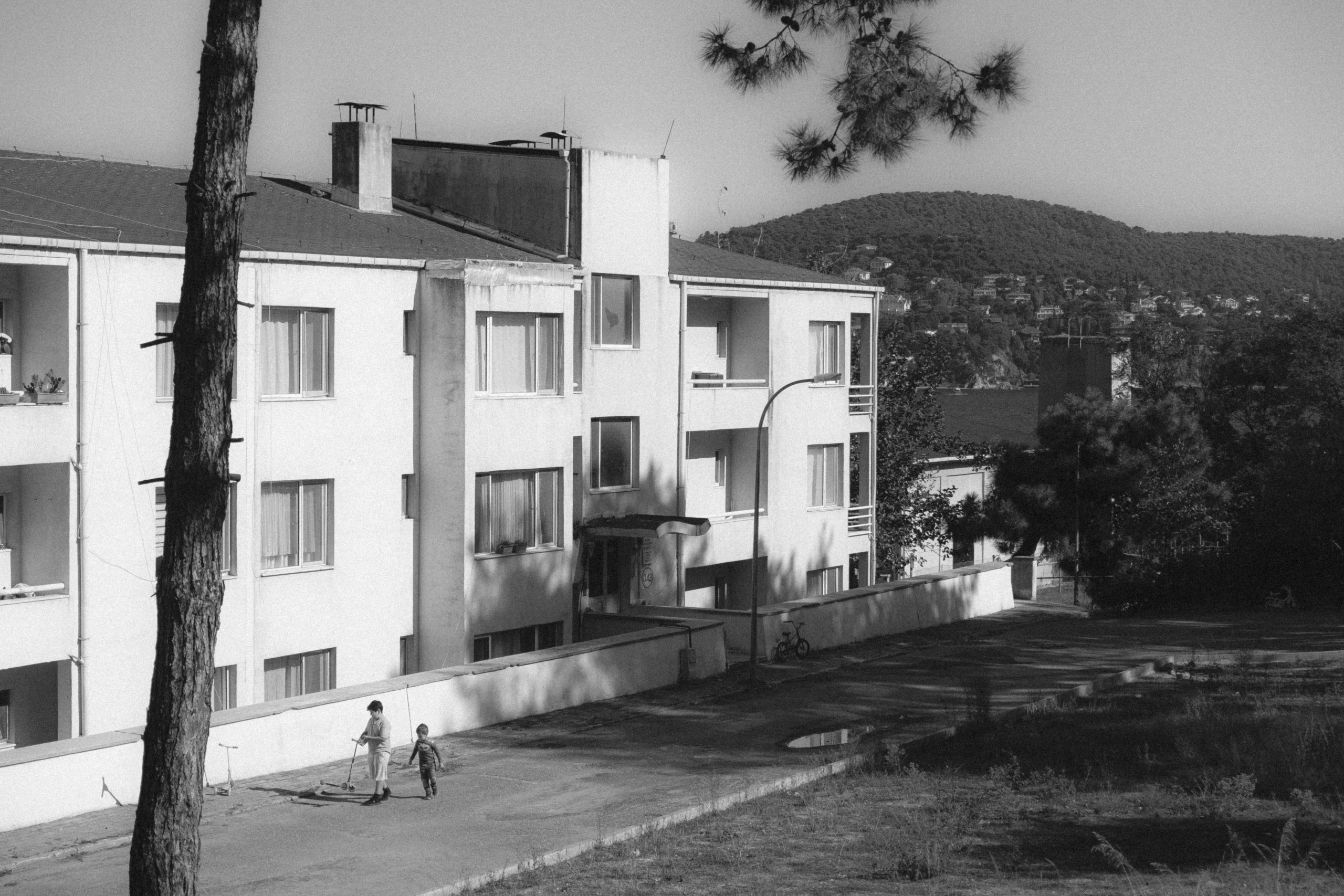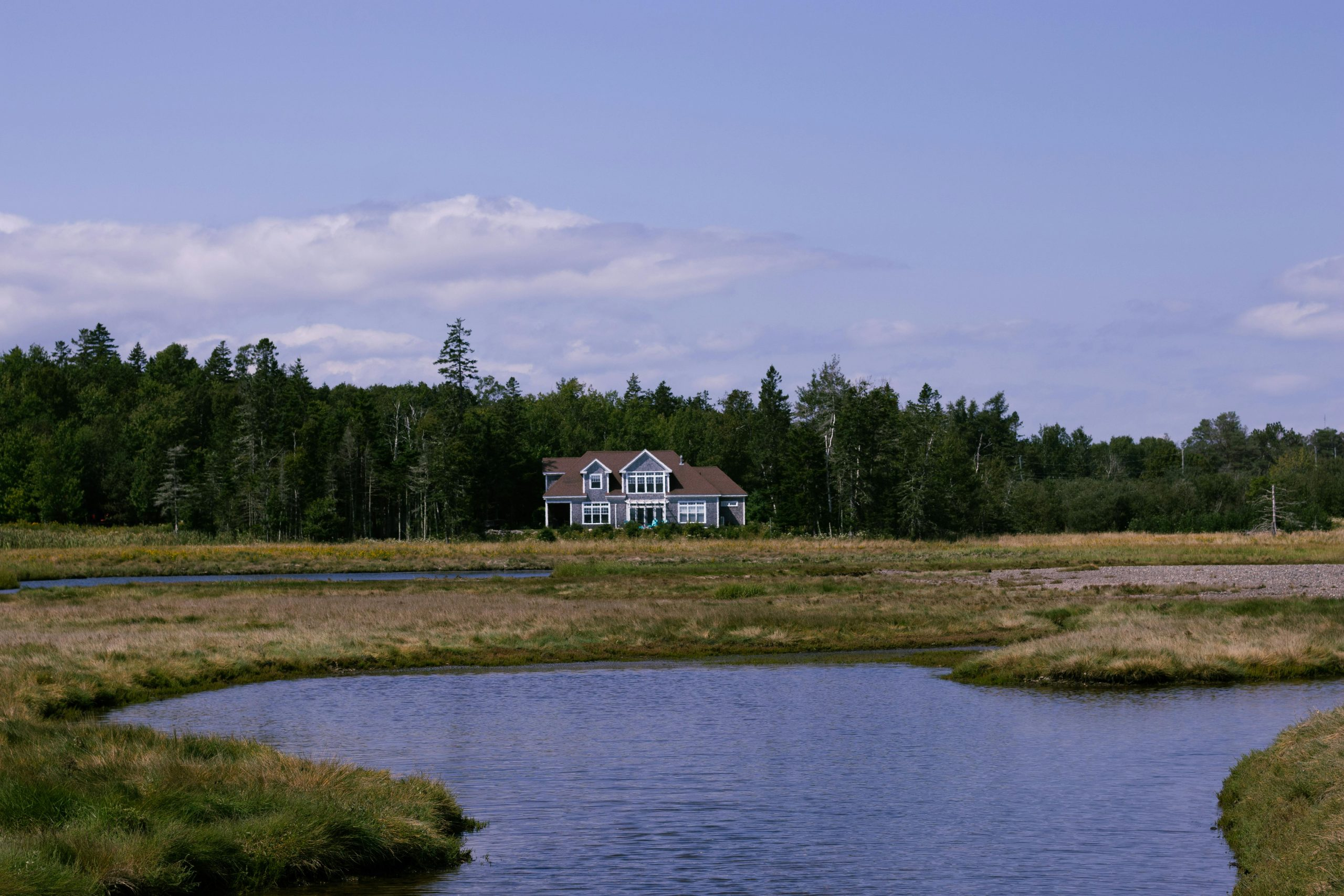
Have you ever walked by an old, historic home and been captivated by its charm? Or perhaps you’ve watched a movie set in a bygone era and wished you could step into one of those magnificent houses? Historic homes have a way of capturing our hearts and imaginations, but they also hold a significant value beyond their aesthetic appeal. In this article, we will explore the value of historic homes and the importance of preservation in today’s society.
The Historical Significance
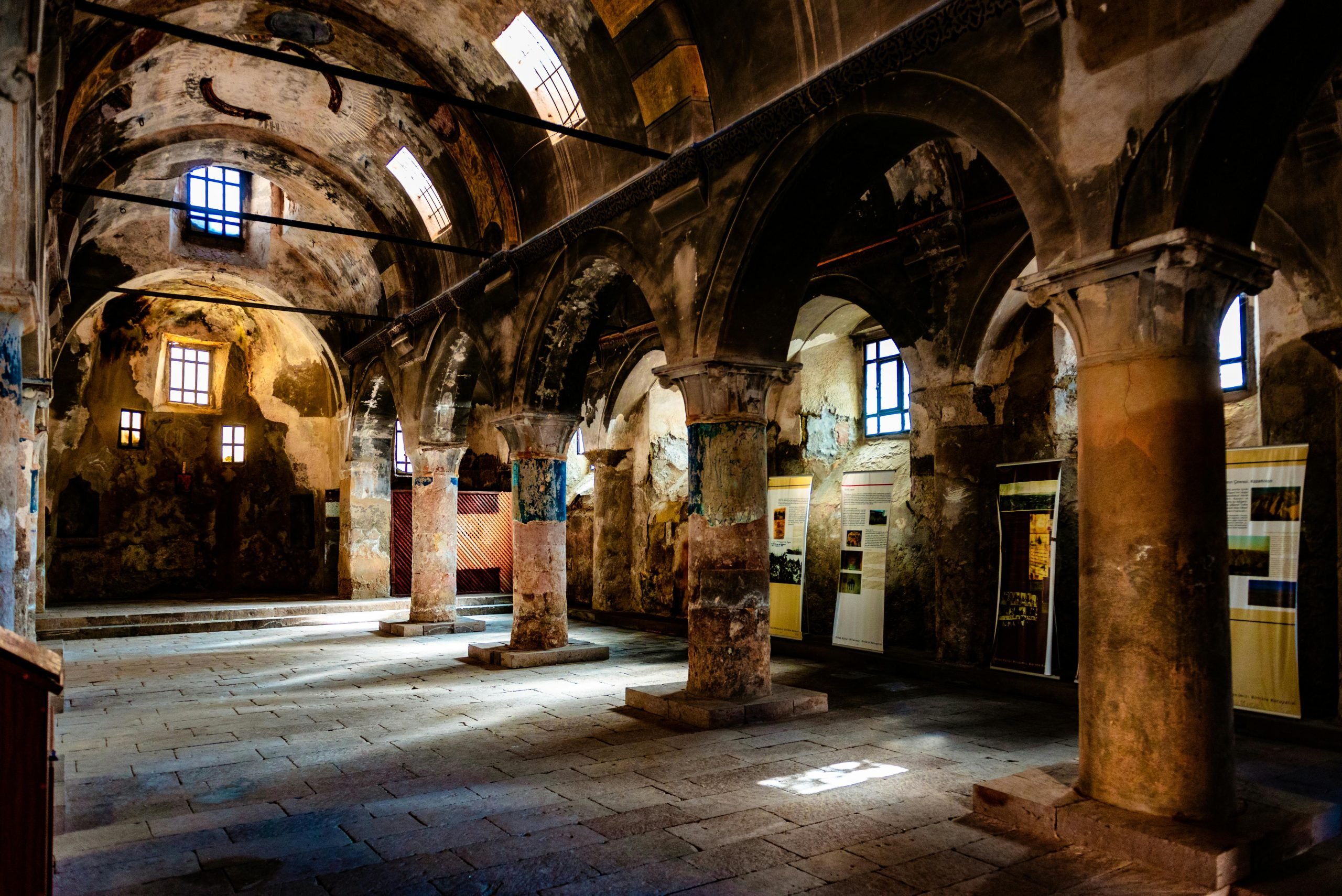
Historic homes are a window into the past, offering a glimpse into the lives of those who lived before us. They provide a tangible link to our history and allow us to understand and appreciate our cultural heritage. These homes are a testament to the craftsmanship and architectural styles of previous eras, and their preservation allows us to pass on this rich legacy to future generations.
The Cultural Importance
Beyond their historical significance, historic homes also hold a cultural importance. They are often associated with significant events, notable figures, or architectural movements that have shaped our society. These homes serve as a tangible reminder of our cultural heritage and help to shape our identity as a community.
Preserving Diversity
One of the most significant values of historic homes is their ability to preserve diversity. These homes showcase a diverse range of architectural styles and design elements, reflecting the cultural influences and societal norms of their time. In the face of modernization and homogenization, preserving historic homes allows us to hold onto this diversity and appreciate the unique characteristics of each era.
The Economic Impact
Apart from their cultural and historical value, historic homes also have a significant economic impact. Preservation and restoration of these homes contribute to the revitalization of communities and boost local economies. They attract tourism, create jobs, and have a positive impact on property values in the surrounding areas.
Sustainable Development
In today’s world, it is crucial to incorporate sustainable practices into our daily lives. Historic homes, with their timeless design and use of natural materials, are inherently sustainable. By restoring and preserving these homes, we can repurpose and re-use existing structures, reducing waste and preserving valuable resources.
The Importance of Preservation
Preserving historic homes is a labor of love that requires dedication, resources, and expertise. Without proper preservation, these homes may deteriorate, and their unique characteristics may be lost forever. Preservation ensures that these homes remain a living representation of our history and culture, and it allows us to continue learning from and appreciating these valuable assets.
Challenges of Preservation
Despite the significance of preserving historic homes, there are several challenges that come with it. It can be costly, time-consuming, and require specialized skills and knowledge. Maintenance, repairs, and renovations must also be carefully considered to preserve the home’s integrity while making it livable for modern times. Additionally, lack of funding, changing zoning laws, and dwindling interest in preservation can all pose significant challenges to the preservation of historic homes.
The Value of Historic Homes Today
Despite the challenges, the value of historic homes remains as strong as ever. In today’s fast-paced world, these homes offer a sense of nostalgia and a connection to our past. They remind us of our roots and teach us valuable lessons, making us appreciate the vibrant, ever-evolving world we live in.
Preserving for the Future
As we look to the future, it is essential to continue preserving these architectural and cultural gems for generations to come. Whether through government initiatives, private organizations, or individual efforts, it is crucial to recognize and protect the value of historic homes and continue to explore and appreciate their timeless charm.
In conclusion, historic homes hold immense value beyond their tangible and intangible benefits. They are more than just structures; they are a part of our identity and a symbol of our heritage. By preserving these homes, we preserve our past, promote sustainability, and create a better future for all.