Category: Music

  • The Impact of Political Movements on Protest Songs

    The Impact of Political Movements on Protest Songs

    Protest songs have always been a powerful tool for social and political change. From the Civil Rights Movement to anti-war demonstrations, music has served as a unifying force for activists and a means of expressing their grievances. The impact of political movements on protest songs is undeniable, as these two forces often go hand in hand in shaping cultural and societal norms. In this article, we will delve into the history of protest songs and explore how they have been influenced by various political movements throughout time.

    The Evolution of Protest Songs

    Protest songs have been around for centuries, with roots tracing back to early folk songs and hymns. These songs served as a means of storytelling and communicating important messages to the masses. One of the earliest examples of a protest song can be found in the African American spiritual, “Swing Low, Sweet Chariot,” which was believed to have been used as a code for slaves seeking to escape to freedom.

    As time went on, protest songs evolved to reflect the changing political climate. During the Civil Rights Movement of the 1950s and 1960s, artists such as Bob Dylan and Joan Baez used their music to protest against racial inequality and injustice. Their songs, such as “Blowin’ in the Wind” and “We Shall Overcome,” became anthems for the movement and inspired countless individuals to join the fight for equal rights.

    The Connection Between Politics and Music

    The relationship between politics and music is symbiotic, with each influencing the other. Political movements often give rise to new genres of music that reflect the sentiments and struggles of the people. For example, the rise of punk rock in the 1970s was a direct response to the political unrest and economic turmoil of the time.

    On the other hand, music has the power to shape political movements and bring about social change. The lyrics and messages conveyed in protest songs can capture the emotions of the people and serve as a call to action. During the Vietnam War, songs like “Ohio” by Crosby, Stills, Nash, and Young and “Fortunate Son” by Creedence Clearwater Revival sparked an anti-war movement and helped to shift public opinion on the war.

    The Impact of Political Movements

    Political movements not only influence the content of protest songs but also the platforms on which they are shared. With the rise of social media and digital platforms, it has become easier for artists to spread their message to a global audience. This has led to a proliferation of protest songs and an even greater impact on society.

    In recent years, political movements such as the Women’s March and the Black Lives Matter movement have sparked a new wave of protest music. Artists like Beyoncé and Kendrick Lamar have used their music to shed light on important social issues and inspire change. These songs not only serve as a means of voicing concerns but also as a way to educate and mobilize people to take action.

    In Conclusion

    The impact of political movements on protest songs is significant and enduring. The evolution of music and its ability to reflect and influence society is a testament to the power of both art and activism. Whether it’s fighting for civil rights, promoting peace, or advocating for social justice, protest songs serve as a powerful tool for change and will continue to be a vital part of political movements for years to come.


  • Strategies for Collaborative Songwriting Across Distances

    Strategies for Collaborative Songwriting Across Distances

    In today’s digital age, many musicians and songwriters have turned to virtual means of collaboration. With the technology and tools available, distance is no longer a barrier for artists to create music together. This has opened up a world of endless possibilities for collaborations between musicians who may have never met in person. However, collaborative songwriting across distances also comes with its own set of challenges. In this article, we’ll explore some effective strategies for successful songwriting collaborations across distances.

    Establish Communication and Goals

    The key to successful collaborative songwriting across distances is effective communication and a shared vision. Before diving into the creative process, it’s important for all parties involved to have a clear understanding of each other’s goals and expectations. This will help avoid any misunderstandings and ensure everyone is on the same page.

    Collaborative songwriting can also be a learning experience for all parties involved. It’s important to establish a willingness to listen and learn from each other’s musical styles, backgrounds, and techniques. This will not only help in creating a cohesive song, but also in developing one’s own skills as a songwriter.

    Utilize Virtual Tools and Platforms

    Thanks to technology, there are a plethora of virtual tools and platforms available that make collaborative songwriting across distances much easier. From video conferencing tools like Zoom and Skype to online music collaboration platforms like Splice and Soundtrap, these tools can help bridge the distance gap and facilitate real-time collaboration.

    Virtual tools also allow for easy sharing of ideas and materials. Whether it’s sending demos, lyric ideas, or chord progressions, virtual platforms makes it possible to work on a song together in real-time, even from across the globe.

    Establish a Workflow and Timeline

    With distance, it’s important to establish a structured workflow and timeline for the collaborative songwriting process. This includes setting regular check-ins and deadlines for when each party should submit their parts or ideas. This will help keep the project on track and ensure that everyone is on the same page.

    Having a clear timeline also allows for flexibility in case there are any delays or challenges along the way. It’s important for all parties to communicate any changes to the timeline to avoid any misunderstandings or conflicts.

    Embrace Variation and Experimentation

    Collaborative songwriting across distances can also lead to unique and diverse ideas. Working with musicians from different backgrounds and influences can bring in new perspectives and lead to unexpected musical directions. It’s important for all parties to embrace these variations and be open to experimentation.

    While it’s important to have a shared vision and goals, it’s also important to allow room for creative freedom and exploration. This can lead to more innovative and exciting songwriting collaborations.

    Final Thoughts

    In today’s digital age, distance is no longer a barrier for musicians and songwriters to collaborate and create music together. With the right strategies and tools, distance can actually bring in a unique and diverse perspective to collaborative songwriting. Effective communication, clear goals, utilization of virtual tools, structured workflow, and open-mindedness are key to successful songwriting collaborations across distances.

    Collaborative songwriting across distances may come with its own set of challenges, but it also brings in endless opportunities for musicians to create music that transcends borders and boundaries. So, embrace the distance and get ready to create beautiful music with your fellow musicians from across the globe!

  • The Role of Music Critics in Shaping Public Opinion

    The Role of Music Critics in Shaping Public Opinion

    Music has always been a powerful tool for expression and communication. Whether it is through lyrics or melodies, music has the ability to touch our hearts and shape our perceptions. However, in today’s digital age, the impact of music has expanded beyond just personal consumption. With the rise of music critics and their influence on public opinion, the role of these experts in shaping the music industry and its reception has become increasingly significant. In this article, we will delve into the world of music criticism and explore the crucial role it plays in shaping public opinion.

    The Rise of Music Critics

    In the past, music criticism was limited to traditional forms of journalism such as newspapers, magazines, and television. However, with the advent of the internet, the scope of music criticism has expanded exponentially. Nowadays, anyone with an internet connection and a passion for music can become a music critic. This has led to an influx of music reviews and opinions, making it challenging for consumers to distinguish between reliable and biased sources.

    So, what exactly is the role of music critics? Music critics are essentially experts in the field of music who offer their unbiased opinions and evaluations on different aspects of the industry. This could include album reviews, concert critiques, and analyses of industry trends. They also serve as cultural gatekeepers, introducing audiences to new music and promoting artistic and social values through their reviews.

    The Influence of Music Critics on Public Opinion

    Music critics hold a significant amount of influence in shaping public opinion about the music industry. This is because they often act as a bridge between artists and audiences, helping to bridge the gap between the two. Their reviews and opinions can make or break an artist’s career, as their insights are considered credible and well-informed.

    The influence of music critics can also be seen in the success of musicians and their albums. For instance, a positive review from a reputable music critic can increase album sales, while a negative review can have the opposite effect. Moreover, the coverage of music critics in mainstream media amplifies their impact on public opinion, as their reviews are likely to reach a larger audience.

    The Impact of Music Critics on the Music Industry

    Besides shaping public opinion, music critics also play a crucial role in the growth and development of the music industry. Their reviews and opinions can influence record labels, concert promoters, and even artists themselves. In fact, many artists take into consideration the criticisms and suggestions of music critics when creating new music or refining their craft.

    Additionally, the work of music critics helps to maintain and improve the quality of music being produced. Their evaluations and feedback act as a standard for artists, encouraging them to constantly innovate and challenge themselves. This not only benefits the artists but also the audiences, who are constantly exposed to new and diverse music.

    The Future of Music Criticism

    The rise of digital media has given birth to a new breed of music criticism – online music bloggers and influencers. These individuals have a massive following and can shape public opinion through their reviews and recommendations. They also have a more personal and conversational approach, making them more relatable to audiences.

    However, this digital landscape has also led to a decline in the quality and credibility of music criticism. With the ease of access to online platforms, anyone can publish their opinions without having the necessary expertise or experience. As a result, it is essential for consumers to be cautious and discerning when it comes to music criticism – always looking for reliable and knowledgeable sources.

    Conclusion

    In conclusion, music critics play a vital role in shaping public opinion and driving the growth and development of the music industry. They act as a bridge between artists and audiences, and their evaluations and feedback help to maintain and improve the quality of music being produced. As music continues to evolve and new technology emerges, the role of music critics will only become more crucial in shaping public opinion and the future of the industry.

  • The Evolution of Synthesizers in Electronic Music History

    The Evolution of Synthesizers in Electronic Music History

    In the world of electronic music, one instrument has played a vital role in shaping the sound of modern music – the synthesizer. Introduced in the 1960s, the synthesizer has gone through a major evolution, from its humble beginnings as a monophonic keyboard to its current form as a complex and versatile music production tool. As electronic music has grown and evolved over the decades, so have synthesizers. In this article, we will take a closer look at the history and evolution of synthesizers in electronic music.

    The Early Days: The Birth of Synthesizers

    The first known electronic musical instrument was the Theremin, invented in 1919 by Russian physicist Leon Theremin. However, it was not until the 1960s that the first synthesizers were created. The first synthesizer, the RCA Mark II Sound Synthesizer, was developed in 1957 by researchers at RCA and was used primarily for sound effects in films and television.

    In the early 1960s, Dr. Robert Moog, an American physicist, developed the Moog synthesizer, which became the first commercially available synthesizer. The Moog synthesizer was a monophonic instrument, meaning it could only produce one note at a time, but it opened up new possibilities for musicians and composers by allowing them to manipulate and shape sounds in ways that were previously impossible.

    The 1970s: The Rise of Analog Synthesizers

    In the 1970s, a new era of synthesizers emerged – the era of analog synthesizers. These instruments used analog circuits and modules, resulting in a warmer and more organic sound compared to the early digital synthesizers. One of the most iconic analog synthesizers of this era was the Minimoog, released in 1970 by Moog Music. The Minimoog was a portable version of the original Moog synthesizer and was widely used in popular music, from disco to rock to funk.

    Another important development in the 1970s was the introduction of polyphonic synthesizers, which could produce multiple notes simultaneously. The Yamaha CS-80, released in 1976, was one of the first polyphonic synthesizers and was famously used by artists like Vangelis and Toto in their music.

    The 1980s: The Digital Revolution

    In the 1980s, digital technology started to dominate the music industry, and synthesizers were no exception. The introduction of digital synthesizers revolutionized the sound of electronic music, providing musicians with more realistic and versatile sounds. The first digital synthesizer, the Yamaha DX7, was released in 1983 and quickly became one of the best-selling synthesizers of all time.

    The 1980s also saw the rise of samplers, which allowed musicians to sample and manipulate recorded sounds. This technology opened up new creative possibilities and further expanded the borders of electronic music. Artists like Depeche Mode and Kraftwerk used samplers extensively in their music, shaping the sound of the decade.

    The 1990s: Synthesizers Get More Affordable

    In the 1990s, synthesizers became more affordable and accessible to the general public, thanks to advancements in technology and the rise of home recording studios. This decade saw the release of many beloved synthesizers, such as the Roland JD-800 and the Korg M1, which are still widely used by musicians today.

    In the late 1990s, virtual synthesizers started to emerge, which allowed musicians to use software to create sounds rather than relying on physical hardware. This shift marked the beginning of a new era for electronic music production.

    Modern Day: The Age of Software Synthesizers

    Today, the majority of synthesizers are software-based. With the rise of digital audio workstations (DAWs), musicians can now create and manipulate sounds using a computer and a MIDI controller. DAWs like Ableton Live, Logic Pro, and FL Studio come equipped with a variety of software synthesizers, offering endless possibilities for sound creation.

    While there are still hardware synthesizers being produced, the focus has shifted to creating software emulations of classic synthesizers. Companies like Arturia, Native Instruments, and U-he have become popular for their high-quality software synthesizers that recreate the sounds of vintage analog synths.

    In Conclusion

    The evolution of synthesizers in electronic music history has been a remarkable journey. From early monophonic keyboards to complex software instruments, synthesizers have played a crucial role in shaping the sound of electronic music. With advancements in technology, the possibilities for sound creation are endless, and we can only imagine what the future of synthesizers holds.

    Whether you’re a fan of classic analog sounds or prefer the versatility of modern software synths, one thing is certain – the synthesizer remains an integral part of electronic music, and its evolution continues to push the boundaries of what is possible in music production.

  • Understanding the Differences Between Analog and Digital Sound

    Understanding the Differences Between Analog and Digital Sound

    When it comes to sound, we are constantly surrounded by both analog and digital formats. But what exactly are the differences between these two types of sound? In the world of audio, analog and digital sound are two distinct methods of recording and processing audio signals. Understanding the differences between them can help us appreciate the evolution of sound technology and how it has impacted the music and entertainment industry. In this article, we will delve deeper into the world of analog and digital sound, exploring their characteristics, advantages, and limitations.

    The Basics of Analog Sound

    Analog sound refers to a method of recording and reproducing sound in a continuous and natural representation of the original waveforms. In simpler terms, it is a direct translation of the sound waves into an electrical analog signal. The most commonly used medium for analog sound is vinyl records, which have seen a recent resurgence in popularity. However, before the invention of vinyl records, analog sound was recorded and played back using magnetic tape in formats such as cassette tapes and reel-to-reel tapes.

    The Characteristics of Analog Sound

    Analog sound is often described as being warm, lush, and organic. This is because it captures the natural fluctuations and nuances in the sound wave, producing a smooth and continuous audio quality. This is due to the fact that the sound is recorded in its original form, without any conversion into digital information. This results in a rich and full sound that is often perceived as more authentic and natural compared to its digital counterpart.

    The Advantages and Limitations of Analog Sound

    One of the main advantages of analog sound is its ability to capture a wider range of frequencies and dynamic range. This is because the sound is recorded in a continuous wave, allowing for a more accurate representation of the original sound. In addition, analog recordings are less prone to loss of data or quality degradation over time.

    However, analog sound also has its limitations. One of the main challenges with analog sound is its susceptibility to external noise and interference, which can result in a decrease in audio quality. In addition, due to the physical medium used for analog sound, there is always a risk of wear and tear, causing a decrease in sound quality over time.

    The Rise of Digital Sound

    The introduction of digital sound marked a significant milestone in the world of sound technology. Digital sound refers to a method of recording and reproducing sound by converting it into a series of binary numbers, also known as digital data. This data is then stored and processed using software and hardware, making it easier to manipulate and edit. The most common digital formats used today are CDs, MP3s, and streaming services such as Spotify and Apple Music.

    The Characteristics of Digital Sound

    Digital sound is often described as being clean, crisp, and precise. This is because the conversion into digital data allows for an exact representation of the original sound wave. This results in a consistent and accurate sound quality, free from any inherent noise or interference. In addition, digital sound also allows for a greater amount of manipulation and editing, making it a popular choice for music production and post-production in film and television.

    The Advantages and Limitations of Digital Sound

    The main advantage of digital sound is its versatility and convenience. With the rise of digital technology, we can now carry thousands of songs in our pockets and stream music from anywhere in the world. Digital sound is also not affected by wear and tear, making it a more durable medium for sound storage. In addition, digital sound allows for easy editing and manipulation, making it a popular choice for musicians and producers.

    However, digital sound also has its limitations. One of the main challenges is the conversion of analog sound into digital data, which can result in a loss of quality and resolution. In addition, digital sound tends to have a more sterile and artificial sound compared to analog, which can be perceived as less authentic by some listeners.

    The Future of Sound Technology

    As technology continues to advance, it is expected that the distinction between analog and digital sound will become less noticeable. While analog and digital have their own unique characteristics, advancements in digital technology have made it possible to replicate the warmth and character of analog sound. In addition, hybrid technologies combining both analog and digital elements are becoming more popular, offering the best of both worlds.

    Conclusion

    In conclusion, understanding the differences between analog and digital sound is crucial in appreciating the evolution of sound technology. While both have their own unique characteristics, they have played a significant role in shaping the music and entertainment industry. Whether you prefer the warmth and authenticity of analog or the convenience and precision of digital, it is clear that the future of sound technology is constantly evolving, offering endless possibilities for artists and listeners alike.

  • The Importance of Warming Up Before Singing or Playing

    The Importance of Warming Up Before Singing or Playing

    Warming up before singing or playing a musical instrument is often overlooked, but it is an essential part of any musician’s routine. Just like stretching before exercising, warming up prepares our bodies and minds for the tasks ahead. It not only helps prevent injury, but also improves our performance. Whether you are a professional musician or just someone who loves to sing or play for fun, understanding the importance of warming up is crucial to your success. In this article, we will delve into the reasons why warming up is crucial before any music-making activity.

    The Physical Benefits

    Warming up is essential to prevent injury, especially when it comes to singing. Our vocal cords are delicate and can be easily damaged if put to work without proper preparation. Singing with cold vocal cords can result in vocal strain, hoarseness, and even permanent damage. Warming up gently exercises the vocal cords, making them more flexible and resilient. It also helps protect the vocal cords from overuse, which can lead to nodules or other injuries. Singers who don’t warm up before performing are at a higher risk of developing vocal problems, which can greatly affect their ability to sing in the long term.

    Singers are not the only ones who can benefit from warming up. Instrumentalists also need to prepare their bodies for playing. Warming up helps loosen up the muscles and tendons in the arms, wrists, and fingers, making it easier to move around the instrument. It also helps reduce the risk of developing repetitive strain injuries, which are common among musicians who don’t warm up properly. Regularly warming up can also improve dexterity, accuracy, and overall technique, leading to better performance.

    The Mental Benefits

    Warming up also has significant mental benefits for musicians. It allows us to focus and get into the right mindset for performance. Singing or playing an instrument requires a lot of concentration and control, and warming up helps us get in the zone. It also helps us tune out distractions and be more present in the music. Many musicians also use warm-up exercises as a way to calm their nerves before a performance. Regularly warming up can also boost confidence, as it gives us the assurance that our bodies and voices are ready for the task ahead.

    Aside from its mental benefits, warming up can also aid in musicians’ overall musicianship. Many vocal warm-up exercises focus on breath support and control, which are crucial elements in singing. Practicing proper breath control during warm-ups can translate to better breath control during performances. Instrumentalists also benefit from warming up, as it helps them warm up their fingers and strengthen coordination between their hands. It can also help improve posture and alignment, which are essential for playing with proper technique and avoiding injury.

    How to Warm Up Effectively

    Vocal Warm-Ups

    For singers, a gentle vocal warm-up should always start with some deep breathing exercises. This helps to relax and stretch the muscles in the neck, throat, and chest. Lip trills, humming, and tongue exercises can also help warm up the lips, tongue, and jaw. Singers can then move on to scales, arpeggios, and other technical exercises to further warm up the voice. It is important to start slowly and gradually increase the difficulty of warm-up exercises. Warming up should also include exercises that focus on the middle, high, and low ranges of the voice to ensure that all parts of the vocal cords are warmed up properly.

    Instrumental Warm-Ups

    For instrumentalists, warming up should start with stretching and gentle movements to loosen up the muscles and joints. This can be followed by simple technical exercises, such as scales, arpeggios, and trills. It is also beneficial to include specific exercises that target the difficult passages or techniques to be performed in the music. For pianists, it is essential to warm up each hand individually before playing together. For string players, it is essential to warm up each finger separately. Warming up gradually and including exercises of varying difficulty can help prepare the body for the demands of playing an instrument.

    In Conclusion

    Warming up before singing or playing is a simple yet essential step in any musician’s routine. It not only helps prevent injury and improve performance but also has mental and overall musicianship benefits. Whether you have a performance coming up or just want to improve your singing or playing, taking the time to warm up can make a significant difference. So don’t forget to include warm-up exercises in your daily practice sessions, and your voice or instrument will thank you.

  • How Traditional Instruments Inspire Modern Music Production

    How Traditional Instruments Inspire Modern Music Production

    Music is an ever-evolving art form. Throughout history, musicians have continuously found new ways to create and express themselves through sound. As technology advances and new production techniques emerge, the possibilities for musical innovation continue to expand. However, amidst all the modern advancements, traditional instruments still play a crucial role in inspiring and shaping modern music production. In this article, we will explore how traditional instruments continue to influence and enhance the world of modern music production.

    The Timelessness of Traditional Instruments

    Traditional instruments have been around for centuries and have withstood the test of time. They have a rich history and cultural significance that modern instruments simply cannot replicate. The sound and craftsmanship of traditional instruments have been passed down through generations, offering a unique sense of identity and authenticity to a piece of music. Adapting these instruments to modern production techniques not only pays homage to their roots but also adds a layer of depth and emotion to the music being created.

    The Importance of Preserving Cultural Heritage

    Many traditional instruments are deeply rooted in cultural heritage. By utilizing these instruments in modern music production, we are preserving and celebrating the history and cultural traditions of a particular place or community. This also opens up opportunities for collaboration and cross-cultural exchange in the music industry. Modern music production techniques allow for traditional instruments to be combined with contemporary sounds, resulting in a unique fusion that promotes diversity and understanding.

    Exploring New Sounds and Techniques

    Traditional instruments offer a unique and distinct sound that cannot be replicated by modern instruments. By incorporating these sounds into modern music production, producers can experiment and create new genres and styles. By manipulating the sounds of traditional instruments with different effects and techniques, they can create fresh and innovative sounds that push the boundaries of traditional music. This allows for a continuous evolution of music and keeps the industry from becoming stagnant.

    Breathing Life into Modern Music

    Incorporating traditional instruments into modern music production is not just about honoring cultural heritage or experimenting with sounds, it’s also about adding depth and emotion to the music. Traditional instruments have a certain resonance and warmth that can bring a new level of authenticity and soulfulness to a song. They can evoke emotions that are missing in electronic sounds and give a sense of human touch to the music. This blend of traditional and modern elements creates an enchanting balance that results in a magical listening experience for the audience.

    The Versatility of Traditional Instruments

    Traditional instruments are not limited to just one genre or style of music. Many musicians are finding ways to incorporate them into various genres and create something unique. For example, the use of the sitar in western pop songs or the use of African drums in electronic dance music. The versatility of traditional instruments allows for endless possibilities in modern music production, making it an essential tool for producers looking to stand out in the industry.

    In Conclusion

    Traditional instruments have stood the test of time and continue to inspire and shape the world of modern music production. They offer a unique sound, cultural heritage, and versatility that cannot be replicated by modern instruments. By incorporating these elements into modern production techniques, musicians and producers are creating a beautiful fusion that celebrates diversity, preserves cultural traditions, and keeps the music industry constantly evolving. So the next time you hear a traditional instrument being used in a modern song, take a moment to appreciate the impact it has on the music and the endless possibilities it brings to the world of music production.

  • Exploring the Cultural Impact of Punk Rock’s Rebellion

    Exploring the Cultural Impact of Punk Rock’s Rebellion

    Punk rock, with its raw energy and rebellious spirit, has been a cultural phenomenon since its emergence in the 1970s. From its beginnings in underground clubs to becoming a global movement, punk rock has stood as a symbol of counterculture and anti-establishment ideals. Its impact on music, fashion, and social norms has been profound, shaping the attitudes and behaviors of generations to come. In this article, we will explore the cultural impact of punk rock’s rebellion and its lasting legacy on society.

    The Birth of Punk Rock

    Punk rock emerged in the mid-1970s as a response to the overproduced and corporate-driven music industry. Influenced by the DIY ethos of the underground music scene, punk bands rejected mainstream trends and embraced a do-it-yourself mentality. They created loud, fast, and gritty music that embodied the anger, frustration, and disillusionment of youth.

    Challenging Social Norms

    At its core, punk rock was a rebellion against the status quo. With songs that addressed controversial topics like politics, social inequality, and oppression, punk rockers challenged the dominant narrative of their time. They refused to conform to societal expectations and instead encouraged individuality and self-expression. This message of nonconformity resonated with many young people who felt disillusioned with the world around them.

    The Impact on Music

    Punk rock’s influence on the music industry cannot be overstated. It paved the way for other alternative genres, such as grunge and indie rock, and inspired countless bands to pick up their instruments and start making music. The DIY approach of punk rock also democratized the music industry, making it possible for anyone with a guitar and a message to make their mark in the music world.

    Crossing Boundaries

    Punk rock’s rebellious attitude and its representation of marginalized voices made it a global phenomenon. It transcended borders and language barriers, creating a sense of unity among misfits and outcasts around the world. Punk bands from different countries, such as the Sex Pistols from England and Ramones from the United States, became household names, spreading the message of nonconformity and anti-establishment values.

    The Influence on Fashion

    Punk rock’s influence on fashion is undeniable. The ripped jeans, leather jackets, and spiky hair of punk rockers became synonymous with rebellion and counterculture. With its bold and unconventional style, punk fashion challenged traditional notions of beauty and fashion, paving the way for future subcultures to push boundaries.

    A Symbol of Rebellion

    Punk fashion became a symbol of rebellion and anti-establishment attitudes. It was a way for youth to express their discontent with mainstream fashion and societal norms. The DIY aspect of punk also allowed for individual expression, encouraging people to create their own unique looks instead of following trends dictated by the fashion industry.

    The Enduring Legacy

    Over four decades since its birth, punk rock’s legacy continues to live on. Its anti-establishment values and message of nonconformity have inspired countless movements and subcultures, from the Riot Grrrl movement in the 1990s to the Occupy Wall Street protests in the 2000s. Punk music and fashion have also evolved, influencing different genres and styles, but the rebellious spirit of punk remains the same.

    Challenging the Status Quo

    Punk rock’s rebellion continues to inspire individuals to think critically, challenge authority, and stand up against injustice. It remains a powerful force in promoting social change and advocating for marginalized communities. With its enduring legacy, punk rock serves as a reminder that the power of music and counterculture can shape society for the better.

    In Conclusion

    Punk rock’s rebellion has left an indelible mark on society, challenging social norms and empowering individuals to think for themselves. Its impact on music, fashion, and social movements has been profound, making it one of the most influential cultural movements of our time. As we continue to explore and celebrate its legacy, let us remember that punk rock is more than just a genre of music – it is a symbol of resistance and a call for change.

  • The Impact of Technology on the Accessibility of Music Creation

    The Impact of Technology on the Accessibility of Music Creation

    In today’s digital age, music creation has become more accessible than ever before. With technology constantly advancing and shaping the music industry, anyone with a laptop or smartphone can now become a music creator. Gone are the days where one needed expensive, specialized equipment to produce music. Now, with a few clicks and taps, anyone can express their musical creativity and share it with the world. In this article, we will examine the impact of technology on the accessibility of music creation and how it has revolutionized the way music is made and consumed.

    The Emergence of Digital Audio Workstations

    One of the most significant ways technology has impacted the accessibility of music creation is through the emergence of Digital Audio Workstations (DAWs). These software applications allow users to record, edit, and mix audio tracks, making it an all-in-one music production tool. Before the invention of DAWs, creating music required an expensive recording studio and a team of professionals. But now, with just a computer and a DAW, anyone can record and produce their music at a fraction of the cost.

    DAWs also offer a variety of features, such as virtual instruments and audio effects, that are essential for making music. These features eliminate the need for physical instruments, making music production accessible to those who do not have the means to purchase or learn how to play traditional instruments.

    The Rise of Online Platforms for Sharing Music

    Another significant impact of technology on the accessibility of music creation is the rise of online platforms for sharing music. With the advent of the internet, musicians no longer need to rely on record labels or traditional distribution channels to get their music heard. Online platforms such as YouTube, SoundCloud, and Bandcamp allow artists to share their music directly with their audience, without any middlemen.

    Not only do these platforms offer a global audience for musicians, but they also provide tools to help them promote, monetize, and connect with their fans. This has given rise to a new generation of independent musicians who can now build a successful career without the backing of a record label.

    Collaboration and Networking Opportunities

    Technology has also made it easier for musicians to collaborate and network with other artists from all over the world. With the help of online tools such as video conferencing and file sharing, musicians can work together in real-time, regardless of their physical location. This has opened up new opportunities for musicians to create and release music with others, leading to more diverse and innovative music being produced.

    The Impact of Mobile Technology

    The widespread availability of smartphones and tablets has also played a significant role in making music creation more accessible. Mobile apps such as GarageBand, FL Studio Mobile, and Korg Gadget allow users to produce music on the go, without the need for a computer. These apps offer a simplified version of the DAW experience, making music production accessible to beginners and professionals alike.

    This technology has also made it possible for musicians to work on their music anytime, anywhere. With the rise of social media, artists can now connect with their fans instantly and share their work with the world in real-time. This instant connection has revolutionized the way musicians interact with their audience and has significantly contributed to the accessibility of music creation.

    The Future of Music Creation

    As technology continues to advance, the accessibility of music creation will only continue to grow. With the rise of AI-powered music creation tools, musicians will have even more opportunities to experiment and push the boundaries of music creation. Virtual and augmented reality technologies may also play a significant role in creating immersive and interactive musical experiences.

    It is safe to say that technology has had a tremendous impact on the accessibility of music creation. It has broken down barriers and democratized the music industry, allowing anyone with a passion for music to express themselves and share their creations with the world. With the constant evolution of technology, the future of music creation is bound to be even more exciting and accessible for all.

  • Strategies for Recording High-Quality Audio at Home

    Strategies for Recording High-Quality Audio at Home

    Welcome to the world of home audio recording! Whether you’re a musician, podcaster, or audio enthusiast, creating high-quality recordings at home has never been more accessible and affordable. With the right tools and strategies, you can achieve professional-grade audio that will impress even the most discerning listeners. In this article, we will discuss some key strategies for recording high-quality audio in the comfort of your own home. So, let’s dive in!

    Invest in a Good Microphone

    The quality of your microphone will greatly impact the overall sound of your recordings. A high-quality microphone can capture a wide range of frequencies and nuances that lower-quality microphones simply cannot. When it comes to home recording, a condenser microphone is often the go-to choice for capturing clear and detailed sound. However, dynamic microphones are also worth considering for capturing louder and more dynamic sounds, such as drums or screaming vocals. Do your research and choose a microphone that suits your needs and budget.

    Create a Quiet Recording Space

    When it comes to recording audio, unwanted background noise can be a real buzzkill. To ensure your recordings are free from distractions, it is crucial to create a quiet environment. Find a room in your home that is isolated from outside noise and where you can control the sound levels. You can also invest in sound-absorbing materials, such as acoustic panels or a vocal booth, to minimize room reflections and reverberation in your recordings.

    Position Your Microphone Correctly

    The placement of your microphone is key to capturing high-quality audio. Experiment with different positions to find the sweet spot for your microphone and the sound source. Generally, placing the microphone slightly off-axis from the sound source will yield better results than pointing it directly at the source. Additionally, keep a good distance between the microphone and the sound source to avoid any unwanted distortion.

    Use a Pop Filter

    When recording vocals, sibilance (the hissing or buzzing sound when pronouncing words with “s,” “sh,” or “ch”) can be a common issue. To combat this, use a pop filter between the microphone and the sound source. A pop filter will diffuse the air and smooth out harsh “p” and “b” sounds, resulting in a cleaner and more natural sound.

    Check Your Levels

    One of the most critical factors in recording high-quality audio is proper gain staging. It is essential to have consistent levels throughout your recording to avoid peaks and distortions. Make sure to regularly check your levels and adjust accordingly. This might require some trial and error, but it is well worth the effort for a seamless recording.

    Avoid Clipping

    Clipping, or the distortion caused by pushing the audio levels too high, can easily ruin an otherwise great recording. Make sure to monitor your levels and avoid any red peaks on your audio interface or recording software. If you do happen to clip, don’t panic! Use your recording software’s “normalize” function to bring the levels down without losing too much quality.

    Edit and Mix Your Audio Professionally

    No matter how well you record, post-production editing and mixing are crucial for achieving a polished and professional sound. Cut out any unwanted noise, adjust levels, and add effects as needed to enhance the sound. Invest in a good mixing and mastering software to ensure your final product is of the highest quality.

    Conclusion

    Recording high-quality audio at home is not as challenging as it may seem. With the right tools, techniques, and a bit of practice, you can achieve professional-grade recordings without breaking the bank. Remember, every recording setup is unique, so don’t be afraid to experiment and find what works best for you. Happy recording!

  • The Role of Music Festivals in Discovering New Talent

    The Role of Music Festivals in Discovering New Talent

    When it comes to the music industry, there are a variety of ways that talented artists can get their start and gain recognition. However, one avenue that has proven to be especially fruitful for up-and-coming musicians is through music festivals. These events bring together diverse audiences and provide a platform for artists to showcase their skills and creativity on a larger stage. In this article, we will explore the role of music festivals in discovering new talent and how they continue to shape the landscape of the music industry.

    The Evolution of Music Festivals

    Music festivals have been a part of our cultural landscape for centuries, with origins dating back to ancient Greek festivals honoring the gods. Fast forward to the 20th century, and we see the emergence of large-scale music festivals that brought together fans to celebrate their love for music and camaraderie. One of the most notable festivals of this time is the Woodstock music festival in 1969, which attracted over 400,000 people and showcased legendary artists like Jimi Hendrix, The Who, and Janis Joplin.

    Since then, music festivals have continued to grow and evolve, becoming an essential component of the music industry. With the advancement of technology and social media, festivals have also become more accessible and have expanded to include various genres, such as electronic dance music, hip-hop, and indie. Today, music festivals are not only about the music but also provide a platform for artists to reach a wider audience and gain recognition for their talents.

    Creating Opportunities for Emerging Artists

    One of the most significant roles that music festivals play in discovering new talent is by providing opportunities for emerging artists to perform and showcase their skills in front of large audiences. With hundreds or even thousands of attendees, festivals allow artists to gain exposure and potentially catch the attention of industry professionals and record labels.

    Moreover, festivals also offer a chance for artists to network and collaborate with other musicians, opening doors for future projects and collaborations. This aspect is crucial for artists who are starting and looking to expand their reach and fan base.

    A Diverse and Inclusive Platform

    Another important role of music festivals in discovering new talent is by providing a diverse and inclusive platform for artists from all backgrounds. Unlike traditional music venues, festivals are not restricted to a specific genre or style, allowing for a broader range of artists to participate and perform.

    These events also attract a diverse audience, exposing artists to new cultures, styles, and perspectives. It provides them with the opportunity to introduce their music to people who may not have heard it otherwise. This exposure can be crucial for new artists in building a fan base and gaining recognition within the industry.

    Fueling Creativity and Innovation

    Music festivals’ impact on discovering new talent goes beyond just the opportunity to perform and gain exposure. These events also serve as a catalyst for creativity and innovation in the music industry. With multiple stages and performances, festivals allow artists to experiment and push the boundaries of their music, creating a unique and memorable experience for audiences.

    The incorporation of different forms of art such as visuals, installation art, and spoken word, also provides artists with a platform to showcase their multidisciplinary talents. This diversity and innovation not only attract new audiences but also help artists stand out and gain recognition for their distinct sound and style.

    The Continued Influence of Music Festivals

    In a fast-paced and competitive industry like music, it can be challenging for emerging artists to get their foot in the door. Thanks to music festivals, these artists have a chance to showcase their talents and gain recognition, providing a platform for them to launch their careers. These events continue to play a crucial role in discovering new talent and shaping the music industry, making them an essential component of the ever-evolving music landscape.

    In conclusion, music festivals have become an integral part of the music industry and play a vital role in discovering new talent. They provide opportunities for artists to perform in front of large audiences, network and collaborate with other musicians, and showcase their unique talents. With their diverse and inclusive nature, festivals continue to fuel creativity and innovation, influencing the music industry and launching the careers of many talented artists.

  • The Essential Guide to Basic Music Notation Reading

    The Essential Guide to Basic Music Notation Reading

    Whether you are just picking up an instrument for the first time or looking to improve your music reading skills, understanding basic music notation is essential for any musician. Music notation provides musicians with a universal language to communicate the exact notes, rhythms, and dynamics of a piece of music. Without a basic understanding of music notation, it can be challenging to play with others or read sheet music. In this article, we will dive into the essential guide to basic music notation reading, from understanding the staff and note values to how to count and interpret rhythms. Let’s get started!

    Understanding the Staff and Note Values

    The staff is the foundation of music notation. It consists of five lines and four spaces, with each line and space representing a different pitch. The lines and spaces on the staff are labeled with letters A-G, starting from the bottom line to the top line. This is known as the treble clef staff, and it is typically used for higher-pitched instruments like the piano, violin, and flute.

    For lower-pitched instruments like the bass guitar or tuba, there is a bass clef staff. The bass clef has the same five lines and four spaces, but the notes are placed lower on the staff to represent lower pitches.

    Once you understand the staff, it’s time to learn about note values. Notes are the symbols that represent the different pitches in music. The two most common note values are quarter notes and half notes. A quarter note is denoted by a solid black circle with a stem, while a half note is a hollow black circle with a stem. If you see a note without a stem, it is called a whole note and is held for four counts.

    Counting and Interpreting Rhythms

    Now that you know the basics of note values let’s talk about how to count and interpret rhythms. In music notation, rhythm is represented by combining different note values and rests. A rest is a period of silence within a measure, and it is denoted by different symbols depending on the length of the rest.

    For example, if you see two quarter notes followed by a half note, you would count it as one, two, three. The quarter notes each receive one count, and the half note receives two counts. If you come across a measure with only half notes, you would count it as one, two, one, two, one, two. Each half note receives two counts, so you would say the number for each one. It may seem confusing at first, but with practice, you will learn how to count and interpret rhythms effortlessly.

    The Importance of Dynamics

    Dynamics refer to the volume or intensity of a piece of music. Understanding dynamics is crucial because it allows you to express emotions and add depth to the music you are playing. The two most common dynamic markings are forte (loud) and piano (soft). These markings are usually placed above or below a note and can change throughout a piece of music to create contrast and interest.

    In addition to dynamics, there are also other performance markings that you will come across, including articulations, tremolos, and accents. Articulations indicate how a note should be played, such as staccato (short and detached) or legato (smooth and connected). Tremolos indicate rapid alternation between two notes, and accents indicate a note should be played louder and with more emphasis.

    Practice Makes Perfect

    Now that you have a better understanding of the basics of music notation, it’s time to put it into practice. Start by picking a simple piece of sheet music and try to play it while counting and interpreting the rhythms correctly. As you progress, challenge yourself by playing more challenging pieces or sight-reading exercises. With consistent practice, you will become more comfortable and confident with reading music.

    Final Thoughts

    Music notation may seem daunting at first, but with perseverance and practice, you can master the basics. Remember to take your time and focus on one concept at a time, whether it’s understanding note values or interpreting rhythms. And most importantly, have fun and enjoy the process. With the essential guide to basic music notation reading, you will be well on your way to becoming a skilled musician. Happy practicing!

  • How Classical Composers Used Mathematics in Their Work

    How Classical Composers Used Mathematics in Their Work

    When we think of classical music, the first thing that comes to mind is beautiful melodies, harmonies, and emotional depth. However, what many people may not know is that a crucial element in the creation of these timeless pieces was mathematics. Yes, you read that right – mathematics played a significant role in the works of classical composers. From Bach to Beethoven, mathematical principles were used to structure and enhance their compositions, resulting in some of the most celebrated pieces in history. Let’s dive into the fascinating world of classical music and explore how mathematics was interwoven into their works.

    The Relationship Between Mathematics and Music

    Before we delve into the specific ways classical composers used mathematics, it’s essential to understand the connection between mathematics and music. Music is made up of various elements such as rhythm, melody, harmony, and composition. These elements can be represented mathematically, making them closely intertwined.

    The Golden Ratio

    If you’ve ever studied mathematics, you may have come across the term “golden ratio.” It’s a mathematical ratio of approximately 1.618, and it’s found in nature, art, and, you guessed it, music. The golden ratio has been known to create aesthetically pleasing proportions, and composers were aware of this. Bach, for instance, used this ratio in some of his works, including the famous “Goldberg Variations.”

    The Fibonacci Sequence

    Another mathematical concept that has influenced music is the Fibonacci sequence. It’s a series of numbers where each number is the sum of the two preceding ones. This sequence has been found in various structures in nature, and composers have used it to create complex and structured compositions. One of the most famous examples is Debussy’s “Deux arabesques,” which follows the Fibonacci sequence in its melody and structure.

    Pi and Musical Note Relationships

    Yes, the same pi that we all know and love from geometry class has made an appearance in music. In classical music, pi is used to determine the relationship between musical notes and their frequency. For instance, a perfect fifth interval in music corresponds to a ratio of 3:2, similar to the ratio of the circumference to the diameter in a circle (pi).

    The Use of Numerical Codes

    Aside from incorporating mathematical concepts into their compositions, classical composers also used numerical codes in their works. For instance, in Bach’s “The Art of Fugue,” the musical theme is based on a mathematical approach known as “invertible counterpoint.” This method involves inverting the intervals of a melody without changing the direction of the notes. Bach also used numerical codes in his works based on his initials (B-A-C-H or B-flat, A, C, B-natural in German musical notation).

    The Influence on Musical Forms

    In addition to direct implementation, mathematics also had a profound influence on the structure and form of classical music. The use of mathematical symmetry, patterns, and proportions can be seen in many classical works. For example, the structure of Beethoven’s “Symphony No. 5” is based on mathematical symmetry, with the famous four-note motive repeated throughout the entire piece.

    The Legacy of Mathematics in Classical Music

    The use of mathematics in classical music not only created beautiful compositions but also showed the logical and structured nature of music. It also paved the way for modern composers to experiment and push the boundaries of classical music. The influence of mathematics can still be seen in contemporary classical music, where composers continue to use mathematical principles in their works.

    In Conclusion

    Classical composers used mathematics in their work to bring a sense of structure, symmetry, and complexity to their compositions. From the golden ratio and Fibonacci sequence to numerical codes and influence on musical forms, mathematics played an integral role in creating the timeless pieces that we know and love today. Next time you find yourself humming along to a Bach or Beethoven piece, remember the mathematical elements that make it so harmonious.

  • Exploring the World of Film Scoring and Orchestration

    Exploring the World of Film Scoring and Orchestration

    >>

    Film scoring and orchestration are integral parts of the filmmaking process, often overlooked by the average movie-goer. However, without these elements, a film would lack the depth and emotion that we have come to associate with our favorite movie soundtracks. In this article, we will delve into the world of film scoring and orchestration, exploring its history, techniques, and importance in creating memorable cinematic experiences.

    The Evolution of Film Scoring

    The concept of using music to accompany visual media dates back to the early years of cinema. In the silent film era, live musicians would perform alongside the movie, creating an immersive experience for the audience.

    Original music was often improvised, with composers taking inspiration from the action on screen.

    However, as technology advanced, the need for original scores became apparent, and film scoring as we know it was born.

    During the Golden Age of Hollywood in the 1930s and 1940s, orchestral film scores became the norm. Composers such as Max Steiner, Alfred Newman, and Bernard Herrmann left a lasting impact on the industry, creating iconic themes such as

    ‘Gone With the Wind’ and ‘Psycho’.

    With the introduction of sound in films, music became an essential tool for filmmakers to convey emotion and add depth to their stories.

    The Role of the Film Scorer

    Film scoring is a collaborative process that involves working closely with directors, producers, and editors to create music that enhances the visual elements of a film.

    A composer must understand the director’s vision and the overall theme of the movie to create a score that complements and elevates the story.

    A film scorer must also possess a vast knowledge of different musical styles and techniques to bring their ideas to life.

    In addition to composing the original score, a film scorer may also be responsible for incorporating existing music, known as source music, into a film. This can range from popular songs to classical pieces, and

    these choices play a crucial role in setting the mood and enhancing the storytelling.

    For example, the use of classical music in Stanley Kubrick’s ‘A Clockwork Orange’ adds an eerie and disturbing layer to the film’s dystopian world.

    The Process of Film Scoring

    The process of creating an original film score begins with the composer watching the film, often multiple times.

    They must analyze the story, characters, and emotions to determine the musical direction.

    Next, the composer will work closely with the director to develop a musical plan and discuss any specific ideas or themes that should be incorporated. This is followed by composing the score, usually for a full orchestra, as well as creating individual parts for each instrument.

    Once the score is complete, it is recorded and synchronized with the film by a team of editors and sound engineers. At this stage, the music is also edited to fit the length of the scenes and timed precisely to match the action on screen. Finally,

    the composer and the film’s creative team will work together to ensure that the music enhances the overall emotional impact of the film.

    The Role of Orchestration

    Orchestration is the process of arranging the music for various instruments and voices.

    It is crucial to create a balance between the different parts to ensure that the score is not overpowering or distracting.

    A skilled orchestrator will also create variations in the music to correspond with changes in character or story development, adding layers of depth and emotion to the score.

    With advances in technology, composers now have access to a wide range of digital tools to create realistic-sounding orchestral music. However,

    many filmmakers still opt for a live orchestra to add a human touch and bring the score to life.

    The recording process can take place in a studio or on location, depending on the budget and preferences of the production team.

    The Impact of Film Scoring and Orchestration

    The right music can make or break a film.

    It has the power to evoke emotions, create tension, and enhance the overall cinematic experience.

    A well-crafted film score can transport the audience to different worlds, immerse them in the story, and leave a lasting impression. The use of orchestral music also adds a level of prestige and elegance to a film, elevating it to a higher artistic form.

    In conclusion, film scoring and orchestration play a vital role in the filmmaking process.

    From the birth of cinema to present-day blockbusters, music has been an integral part of the movie-watching experience, shaping our emotions and enhancing our enjoyment of the stories on screen.

    So next time you are watching your favorite movie, take a moment to appreciate the work of the film scorer and the meticulous process of creating a memorable score that brings the film to life.

  • Strategies for Analyzing the Structure of Popular Songs

    Strategies for Analyzing the Structure of Popular Songs

    Popular songs are often referred to as “catchy,” “memorable,” or even “addictive.” What makes these songs so successful? Is it the melody, the lyrics, or something else entirely? While these factors certainly play a role, one important aspect that shouldn’t be overlooked is the structure of the song. Just like a building needs a solid foundation to stand tall, a popular song also needs a strong and well-crafted structure to soar to the top of the charts. In this article, we will discuss some effective strategies for analyzing the structure of popular songs, so you can better understand what makes them so successful.

    The Importance of Song Structure

    Before diving into the strategies for analyzing song structure, it is essential to understand why it is so crucial. Just like any other form of art, music can convey emotions, tell stories, and connect with people on a deep level. However, without a proper structure, a song can easily become confusing and lose its impact. A well-structured song guides the listener through a journey with a clear beginning, middle, and end, making it more enjoyable and memorable. It also helps the listener anticipate what’s coming next, providing a sense of comfort and satisfaction when expectations are met. In simple terms, a strong structure is the backbone of a successful song.

    Strategy #1: Identify the Song Components

    To analyze the structure of a popular song, you must first identify its components. These include the intro, verse, chorus, bridge, and outro. The intro sets the mood and grabs the listener’s attention, while the verse provides the main storyline of the song. The chorus is the part that typically repeats throughout the song, making it easily recognizable and memorable. The bridge acts as a transition between different sections of the song, providing a change in melody or lyrics. Lastly, the outro is the conclusion, typically fading out or ending with a final powerful statement.

    Example:

    The song “Shape of You” by Ed Sheeran starts with a short instrumental intro. Then, the first verse begins, telling the story of a chance encounter at a bar. The chorus comes next, with the lyrics “I’m in love with the shape of you.” The next verse follows a similar structure but with a new storyline. The bridge comes in with a faster tempo, building up to the final chorus. The song then ends with a brief outro, repeating the last line of the chorus.

    Strategy #2: Pay Attention to the Lyrics

    Lyrics play a significant role in the structure of a song. They not only convey the storyline but also help to guide the listener through the different components. One key aspect to pay attention to is the use of repetition. Most popular songs use repetition to make the chorus or hook more memorable. Another essential factor is the use of rhyme and rhythm. Rhyme helps to create a sense of coherence, while rhythm adds an element of flow and catchiness.

    Example:

    Taylor Swift’s hit song “Shake It Off” has a simple yet effective chorus, with the lyrics “Cause the players gonna play, play, play, play, play, and the haters gonna hate, hate, hate, hate, hate.” The repetition of the words “play” and “hate” makes the chorus easy to remember, while the use of rhyme and rhythm keeps the song flowing smoothly.

    Strategy #3: Analyze the Musical Patterns

    While the lyrics are an essential part of a song, the music itself also contributes to its structure. The melody, chord progression, and instrumentation all play a role in creating a cohesive song. Analyzing these elements can give you a better understanding of the song’s structure and help you see patterns and changes within the music. Most popular songs use a simple and catchy melody, a chord progression that is easy to follow, and a combination of instruments that work together harmoniously.

    Example:

    One of the most popular songs of all time, “Bohemian Rhapsody” by Queen, is a masterpiece of musical structure. It starts with a slow and melodic intro, followed by a powerful verse, leading into an anthemic chorus. The song then shifts to a rock opera-style bridge, complete with various musical changes. It finally ends with a grandiose finish, combining all the previously mentioned components into one epic finale.

    Strategy #4: Look for Contrast and Change

    While patterns and repetition are essential in a song’s structure, so is contrast and change. Too much repetition can become monotonous, and too much change can make a song feel disjointed. A balance between the two is crucial. The chorus should be distinct from the verse, providing a change in tempo, melody, and lyrics. The bridge should also offer a change, providing a break from the repetition of the other components.

    Example:

    The popular song “Uptown Funk” by Mark Ronson ft. Bruno Mars combines various styles of music, making it an excellent example of contrast and change. The intro starts with a funky guitar riff, followed by a verse with rap-style vocals and a catchy chorus. The bridge introduces a new melody and a slower tempo, creating a change in pace before returning to the familiar chorus.

    Conclusion

    Analyzing the structure of popular songs can give you a deeper appreciation for their success and help you craft your songs. It allows you to break down and understand what works and what doesn’t, helping you make more informed decisions when creating your music. Remember to look for patterns, pay attention to lyrics, analyze musical elements, and balance repetition with contrast and change. With these strategies in mind, you’ll be well on your way to creating songs with a strong and effective structure that can stand the test of time.

  • The Role of the Mastering Engineer in Final Audio Quality

    The Role of the Mastering Engineer in Final Audio Quality

    When it comes to producing high-quality audio, the role of a mastering engineer is often overlooked and misunderstood. Many people believe that the mixing engineer holds all the power, while the mastering engineer is simply tasked with making the final adjustments before the music is released to the world. However, the truth is that the mastering engineer plays a crucial role in achieving the best possible sound for an audio project. In this article, we’ll delve into the key responsibilities and techniques of a mastering engineer and explore just how important their role is in final audio quality.

    The Basics of Mastering

    Before we dive into the specifics, let’s first define what mastering actually entails. Mastering is the final stage in the audio production process, where the mastering engineer prepares the audio for its final release. This involves making final adjustments to the overall audio signal, such as EQ, compression, and limiting, to ensure that it sounds balanced, consistent, and pleasing to the listener’s ear. Mastering also involves sequencing and spacing the tracks, as well as adding any fades or crossfades between songs.

    The Mastering Engineer’s Toolkit

    One of the most important tools that a mastering engineer has at their disposal is a set of highly sensitive and accurate speakers, known as monitor speakers. These speakers are designed to reproduce sound with a high level of accuracy, allowing the mastering engineer to hear every little detail in the audio. This is essential, as the mastering engineer’s goal is to make sure that the final mix translates well on any sound system.

    In addition to monitor speakers, mastering engineers use a variety of specialized equipment, such as equalizers, compressors, and limiters, to make precise adjustments to the audio signal. These tools allow them to sculpt the sound and bring out the best qualities of the music.

    The Importance of Critical Listening

    A crucial skill that every mastering engineer must possess is the ability to critically listen to the audio. This means being able to identify any imperfections, whether it’s a technical issue, such as an unwanted noise or a poorly recorded instrument, or an artistic decision, such as a vocal that’s too prominent in the mix. A skilled mastering engineer knows how to identify these issues and make the necessary adjustments to achieve a polished and professional sound.

    Experience and Expertise

    Mastering is a highly specialized field, and it takes years of experience and practice to master the craft. A great mastering engineer not only has the technical know-how to use the equipment and software effectively but also possesses a deep understanding of various musical genres. They know how to make subtle adjustments that can have a significant impact on the overall sound without altering the artist’s intent.

    In addition to technical expertise, a mastering engineer also needs to have a great pair of ears. They must be able to hear and identify a wide range of frequencies and nuances in sound, often with extreme precision. This allows them to fine-tune the audio signal and make adjustments that may seem small, but make a big impact on the final product.

    The Mastering Engineer’s Role in Final Audio Quality

    As we’ve established, the role of a mastering engineer is not just about making the music sound “louder” or “bigger.” It’s about bringing out the best qualities of the audio and making sure that it sounds great on all types of listening devices. This is especially important in today’s music industry, where music is consumed through a variety of platforms and devices, from smartphones to high-end audio systems.

    Moreover, with the rise of streaming services and the increasing demand for high-quality audio, the mastering engineer’s role has become even more important. They must understand the requirements and specifications of these platforms, and ensure that the audio they deliver meets these standards. This includes things like loudness levels, dynamic range, and file formats.

    Collaboration with the Mixing Engineer

    Another crucial aspect of the mastering engineer’s role is working closely with the mixing engineer. While the mixing engineer is responsible for balancing and blending individual tracks to create a cohesive mix, the mastering engineer takes on the task of making the whole album sound like a unified piece of work. This requires clear communication and understanding between the two, as well as a shared vision for the final product.

    In Conclusion

    The mastering engineer’s role in final audio quality is often underestimated, but it’s an essential component in the production of high-quality audio. With their expertise, specialized tools, and critical listening skills, they take the audio from good to great, ensuring that the listener gets the best possible audio experience.

    It’s clear that mastering is not just a technical process, but also an art form that requires years of practice and experience to get right. So the next time you listen to your favorite album, remember that it’s not just about the music; it’s also about the mastering engineer’s contribution to achieving that perfect, polished sound.

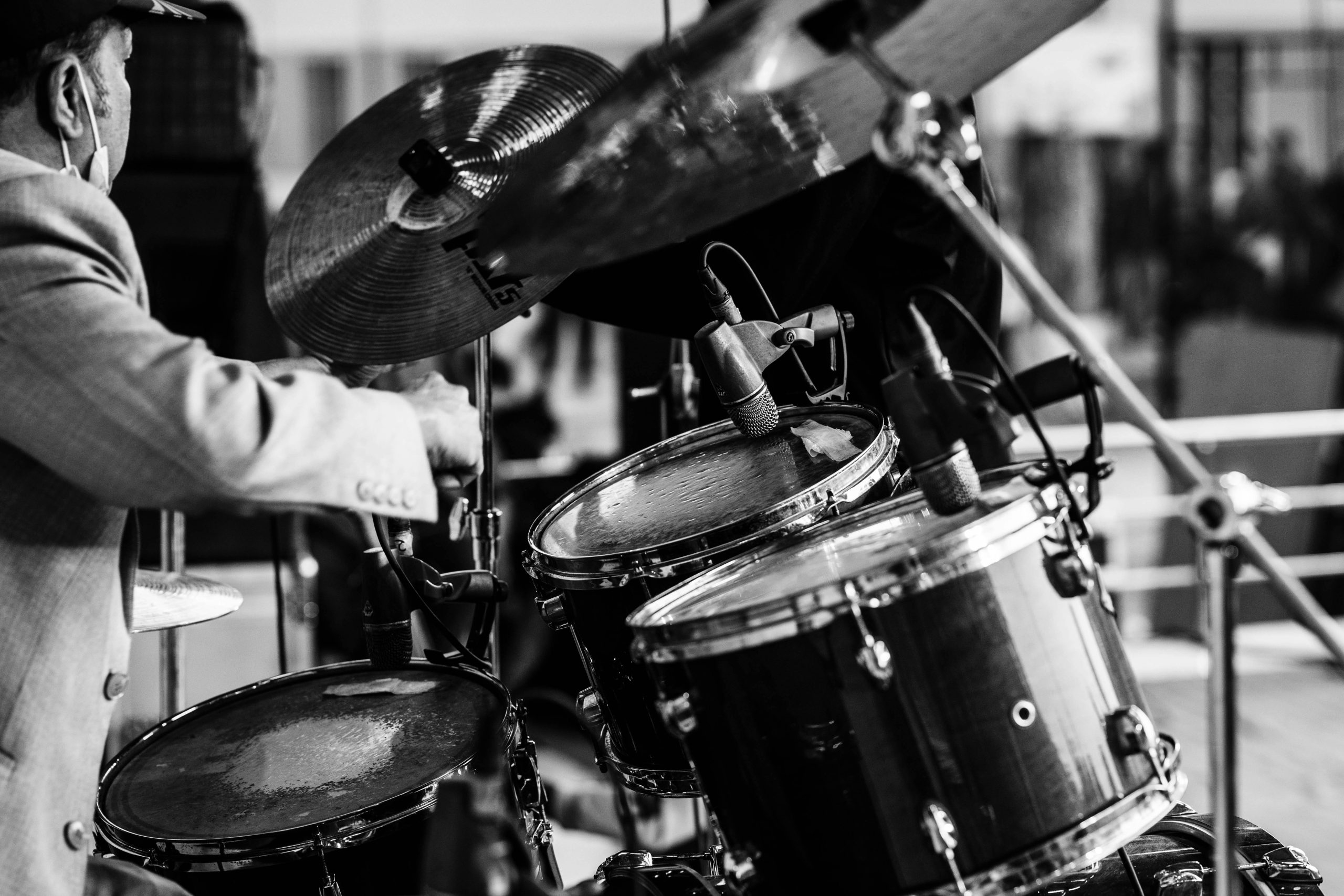
  • The Evolution of the Drum Kit: Rhythm in Popular Music

    The Evolution of the Drum Kit: Rhythm in Popular Music

    The drum kit is a staple in modern music. From its humble beginnings as a basic percussion setup to its current form as a complex and versatile instrument, the evolution of the drum kit has greatly influenced the development of rhythm in popular music. In this article, we will delve into the rich history of the drum kit and explore how its evolution has shaped the way we listen to and create music today.

    The Origins of the Drum Kit

    The drum kit, also known as the drum set, started as a rudimentary combination of drums and cymbals in the early 19th century. During this time, drummers would use a variety of percussion instruments such as bass drums, snare drums, and cymbals to provide rhythm for events and performances. These instruments were often played by multiple musicians at once, resulting in a disjointed and inconsistent sound.

    It wasn’t until the 1930s that a few key innovations transformed the drum set into the instrument we know today. The addition of a foot-operated hi-hat cymbal and the introduction of the first pedal-controlled bass drum allowed a single drummer to play multiple parts simultaneously, creating a cohesive and unified sound. This development was crucial in the evolution of the drum kit and its role in popular music.

    The Influence of Jazz on the Drum Kit

    The emergence of jazz in the early 20th century was a game-changer for the drum kit. Drummers like Gene Krupa and Buddy Rich pushed the boundaries of what was possible on the instrument, incorporating elements of improvisation and syncopation. Their technical prowess and showmanship put the drum kit in the spotlight, solidifying its role as a lead instrument in jazz music.

    With the evolution of jazz, the drum kit evolved as well. Drummers began adding more drums and cymbals to their setup, allowing for more complex and dynamic rhythms. Innovations like the ride cymbal and the use of brushes and mallets further expanded the sonic possibilities of the drum kit. This experimentation and constant innovation in jazz had a huge impact on the development of rhythm in popular music.

    The Rise of Rock and Roll

    In the 1950s, rock and roll emerged as a new genre of music that would change the landscape of popular music forever. The influence of early rock and roll pioneers like Little Richard, Chuck Berry, and Elvis Presley can be seen in the development of the drum kit. With its driving rhythms and energetic beat, it quickly became the backbone of rock and roll music.

    In addition to the traditional elements of the drum kit, drummers began incorporating new techniques and sounds into their playing. The use of double bass pedals, tom-toms, and crash cymbals became common in rock music, allowing for a heavier and more aggressive sound. Drummers like Keith Moon of The Who and John Bonham of Led Zeppelin became known for their dynamic and energetic playing, pushing the limits of what was possible on the drum kit.

    The Impact of Technology

    The 1980s saw the introduction of electronic drums, which marked a significant shift in the evolution of the drum kit. With the ability to replicate a wide range of sounds, electronic drums opened up new possibilities for drummers and producers. This technology also had an impact on popular music, as electronic drums were incorporated into various genres such as pop, hip hop, and dance music.

    In the following decades, advancements in technology continued to shape the drum kit. Drum machines, digital samplers, and MIDI controllers all played a role in expanding the sonic capabilities of the instrument. However, no matter how much technology evolved, the drum kit remained a fundamental and essential element in popular music.

    The Modern Drum Kit

    Today, the drum kit continues to evolve and adapt to the ever-changing demands of popular music. It has become an incredibly versatile instrument, capable of producing a wide range of sounds and styles. Drummers like Steve Gadd, Dave Grohl, and Questlove have all made significant contributions to the evolution of the drum kit, continually pushing its boundaries and inspiring new generations of musicians.

    In addition to its role in live performances, the drum kit has also become a crucial component in music production. Through the use of digital audio workstations (DAWs) and virtual drum software, producers can create and manipulate drum sounds with an unprecedented level of control and precision.

    In Conclusion

    The evolution of the drum kit is a testament to the ever-changing nature of music. From its humble beginnings as a basic percussion setup to its current form as a complex and versatile instrument, the drum kit has played a vital role in the development of rhythm in popular music. As technology continues to advance and new genres emerge, one thing is for sure – the drum kit will continue to evolve and shape the way we create and experience music for years to come.

  • Understanding the Aesthetics of Progressive Rock Complexity

    Understanding the Aesthetics of Progressive Rock Complexity

    Progressive rock, also known as prog rock, is a genre of music that emerged in the late 1960s and reached its peak in the 1970s. While often associated with complex musical arrangements and unconventional time signatures, progressive rock is also known for its thought-provoking lyrics and incorporation of various other musical styles. One aspect that sets progressive rock apart from other genres is its complexity, but what exactly makes it complex? In this article, we will delve into the aesthetics of progressive rock complexity and understand what makes this genre so unique and captivating.

    The Roots of Progressive Rock

    To understand the aesthetics of progressive rock complexity, it is crucial to first take a look at the genre’s roots. During the late 1960s, bands like Pink Floyd, King Crimson, and Yes emerged with a new sound that combined elements of classical music, jazz, and even psychedelic rock. These bands pushed the boundaries of what was considered conventional in music, paving the way for progressive rock to become a genre in its own right.

    Musical Elements and Techniques

    One of the main aspects that contribute to the complexity of progressive rock is its use of various musical elements and techniques. Unlike other genres, where a song may follow a standard verse-chorus structure, progressive rock songs often have multiple sections, varying time signatures, and intricate instrumental passages. This allows for a more dynamic and layered sound, making the music more engaging and challenging for the listener.

    Unconventional Time Signatures

    A common characteristic of progressive rock is the use of unconventional time signatures, such as 7/8 or 5/4. This means that instead of the standard 4 beats per measure, there may be 7 or 5 beats, making the rhythm of the song more complex and unpredictable. This technique not only adds depth to the music but also showcases the technical skills of the musicians.

    Intricate Instrumentation

    Another factor that contributes to the complexity of progressive rock is the use of intricate instrumentation. Many bands in this genre have multi-instrumentalists, and they often incorporate a wide range of instruments in their songs, including keyboards, violins, and even traditional folk instruments. This creates a rich and diverse sound that is both challenging to play and listen to.

    Classical Influences

    As mentioned earlier, progressive rock has its roots in classical music. It is not uncommon to hear classical music elements in progressive rock songs, such as the use of symphonic orchestration or the incorporation of classical techniques like counterpoint. This infusion of classical music adds another layer of complexity and sophistication to the genre.

    Lyrics That Make You Think

    While the musical elements of progressive rock are undoubtedly complex, the lyrics also play a significant role in creating the aesthetics of this genre. Unlike mainstream music, which often focuses on love and relationships, progressive rock lyrics are more thought-provoking and deal with philosophical, political, and social issues. This adds another layer of depth to the music, making it more intellectually stimulating.

    The Significance of Progressive Rock Complexity

    The complexity of progressive rock is not just for the sake of being complex; it serves a purpose. The use of unconventional time signatures, intricate instrumentation, and thought-provoking lyrics creates a unique listening experience that challenges the listener and keeps them engaged. This type of complexity also appeals to those who are musically inclined and appreciate technically proficient musicianship.

    The Legacy of Progressive Rock

    Despite the decline in popularity of progressive rock in the 1980s, its influence can still be felt in modern music. Many bands and artists continue to incorporate elements of this genre into their music, keeping it alive and relevant. The aesthetics of progressive rock complexity have left a lasting impact on the music world and continue to inspire new generations of musicians.

    In Conclusion

    In conclusion, the aesthetics of progressive rock complexity go beyond just being technically impressive. Its roots in classical music, use of unconventional time signatures and instrumentation, and thought-provoking lyrics all work together to create a unique listening experience that challenges and captivates the listener. As long as there are musicians willing to push the boundaries of music and challenge themselves, the aesthetics of progressive rock complexity will continue to evolve and inspire generations to come.

  • The Importance of Protecting Your Hearing in Loud Environments

    The Importance of Protecting Your Hearing in Loud Environments

    When it comes to protecting our health, we often focus on things like eating well, exercising regularly, and staying up to date on vaccinations. While these are all incredibly important, one aspect of our health that is often overlooked is our hearing. Our ability to hear is a crucial part of our everyday lives, and it is essential that we take the necessary steps to protect it, especially in loud environments. In this article, we will discuss the importance of protecting your hearing in loud environments and provide some practical tips on how to do so.

    The Consequences of Noise-Induced Hearing Loss

    Hearing loss is a common and often irreversible result of exposure to loud noises. This type of hearing loss, known as noise-induced hearing loss (NIHL), can occur suddenly or gradually over time. According to the World Health Organization, nearly 466 million people worldwide, including 34 million children, suffer from disabling hearing loss, with noise being a significant contributing factor. Additionally, NIHL has been linked to other health issues such as tinnitus (ringing in the ears), sleep disturbance, and cardiovascular disease.

    Exposure to loud noises can cause physical damage to the hair cells in our inner ears, which are responsible for converting sound vibrations into electrical signals that our brains interpret as sound. These hair cells do not regenerate, meaning that once they are damaged or destroyed, our ability to hear is permanently affected. The damage can occur from exposure to a single extremely loud noise, such as an explosion, or from prolonged exposure to high levels of noise.

    The Importance of Hearing Protection

    The good news is that noise-induced hearing loss is preventable. One of the most effective ways to protect your hearing is by wearing hearing protection in loud environments. Many people associate hearing protection with loud work environments, such as construction sites or factories, but the reality is that loud recreational activities, such as attending concerts and sporting events or using power tools, also pose a risk to our hearing.

    There are various types of hearing protection to choose from, including earplugs and earmuffs. Earplugs are small, soft inserts that you place into your ear canal to block or reduce noise. They are available in disposable or reusable forms, and while they are generally more discreet, they may not provide as much protection as earmuffs. Earmuffs are large, padded headphones that fit over the entire ear and create a seal to block out loud noises. They are reusable and often more effective at reducing noise levels, but they may be less convenient to carry around.

    It is important to choose the right type of hearing protection for your specific needs and to ensure that it is properly fitted. Ill-fitting or ineffective hearing protection can leave you vulnerable to harm, so it is vital to do your research and invest in quality products.

    Other Tips for Protecting Your Hearing

    Lower the Volume

    In addition to wearing hearing protection, there are other simple steps you can take to protect your hearing in loud environments. One of the most effective ways is to reduce the volume. Whether you are using headphones, attending a concert, or mowing the lawn, try to keep the volume at a level that is comfortable and safe for your ears. Listening at high volumes for an extended period can be damaging, so it is essential to take breaks and give your hearing a rest.

    Limit Exposure

    If you are aware that you will be entering a loud environment, try to limit your exposure. For example, if you are attending a loud concert, take breaks and step away from the speakers for a while. Similarly, if you work in a loud environment, try to take breaks in quieter areas to give your ears a rest.

    Get Regular Hearing Checks

    Lastly, it is essential to get regular hearing checks to monitor your hearing health. If you are exposed to loud noises frequently, you may not immediately notice any changes in your hearing, but regular check-ups can help identify any issues early on so that you can take the necessary steps to prevent further damage.

    In Conclusion

    Protecting our hearing in loud environments is crucial for maintaining our overall health and well-being. As the saying goes, prevention is better than cure, and this certainly holds true for noise-induced hearing loss. By wearing effective hearing protection, taking breaks, and getting regular check-ups, we can preserve our hearing and continue to enjoy all the sounds that make life so special. Don’t wait until it’s too late; start protecting your hearing today!

  • How Music Shapes Identity and Community Formation Seriously

    How Music Shapes Identity and Community Formation Seriously

    Music has always been a powerful force in shaping our identities. From the chants of ancient tribes to the complex melodies of modern pop songs, music has the ability to connect us with our roots, our communities, and our sense of self. But how exactly does music shape our identities and facilitate community formation? In this article, we’ll delve into this question and explore the profound impact that music has on our sense of self and our connections with others. So, let’s turn up the volume and dive into the world of music and identity formation.

    The Power of Music and Identity

    Music has the ability to evoke strong emotions and stir the deepest parts of our souls. It’s no wonder then, that music plays a significant role in shaping our identities. From a very young age, we are exposed to different types of music, and as we grow, we begin to identify with certain genres, artists, and songs. This connection to music becomes intertwined with our sense of self, and we start to use music as a form of self-expression.

    Think about how you feel when you hear a song that resonates with you. Whether it’s a love song that reminds you of a special person or a rebellious anthem that speaks to your sense of individuality, music has the power to reinforce or challenge our identity. This is especially evident in teenagers and young adults, who often use music to express their feelings of angst, rebellion, or love.

    The Role of Music in Community Formation

    Music has the unique ability to bring people together and create a sense of belonging. Whether it’s a concert, a music festival, or a simple jam session with friends, music has the power to unite individuals and promote social interaction. In fact, research has shown that listening to music with others can enhance feelings of social connectedness and lead to a greater sense of community.

    Moreover, music can also be a powerful tool for building communities with shared identities. For example, fans of a particular music genre, band, or artist often form strong bonds with others who share their musical preferences. This not only strengthens their sense of identity but also provides a sense of belonging and acceptance within the community.

    The Evolution of Music and Its Impact on Identity

    As society evolves, so does our music. And with each new era, comes new forms of music that challenge and redefine our identities. In the 1960s, the rise of rock music gave a voice to the counterculture movement and challenged traditional societal norms. In the 1990s, the emergence of rap music gave a voice to marginalized communities and sparked important conversations about social issues. Today, with the rise of digital media and streaming platforms, music has become even more accessible, allowing for the exploration of a wide variety of identities and communities through different genres and artists.

    However, with this constant evolution and diversification of music, comes a potential threat to our sense of identity. In an age where we have access to an almost limitless pool of music, it can be easy to lose touch with our own identity amidst the sea of creative expressions. This is why it’s important to use music as a tool for self-discovery and to constantly reflect on how it shapes our identities and connects us with others.

    Conclusion

    Music is more than just entertainment; it’s a powerful force that shapes our identities and brings us closer to others in our communities. Whether we are using it as a form of self-expression, bonding with like-minded individuals, or exploring new identities, music plays a crucial role in our sense of self and our connections with others. So, the next time you turn on your favorite song, take a moment to appreciate the impact that music has on your identity and the communities around you. The power of music is truly extraordinary, and we should embrace it with open arms.