Category: Fashion

  • Understanding the Impact of Vintage Military Wear on Fashion

    Understanding the Impact of Vintage Military Wear on Fashion

    Fashion is constantly evolving and adopting new trends from various influences. One of these influences that has been gaining traction in recent years is vintage military wear. From army jackets and cargo pants to combat boots and bomber jackets, military-inspired fashion has become a staple in many wardrobes. But what is the impact of vintage military wear on fashion? In this article, we will take a closer look at the history, symbolism, and current trends of this fashion phenomenon.

    The Evolution of Vintage Military Wear

    The use of military clothing in fashion can be traced back to the 1960s, during the rise of the anti-war movement. At this time, people started wearing military jackets and pants as a form of protest against the Vietnam War. These clothes were seen as a symbol of rebellion and counterculture, as they went against the mainstream fashion of the time.

    However, it was not until the 1980s that vintage military wear really took off. This was largely due to the popularity of punk and grunge music, which embraced the rugged and edgy look of army-inspired clothing. Military jackets, combat boots, and cargo pants became must-haves for those wanting to achieve a rebellious or alternative look.

    The Symbolism of Military Clothing

    Aside from its association with rebellion, vintage military wear also carries a deeper symbolic meaning. Military clothing is designed for practical purposes, with features such as multiple pockets and sturdy materials. This utilitarian aspect of military clothing has been embraced by the fashion industry, adding a functional and practical touch to outfits.

    In addition, military clothing has a strong sense of nostalgia and history attached to it. Wearing vintage military wear is a way to pay homage to the brave men and women who have served in the armed forces. It also evokes a sense of nostalgia for past eras, such as the 1940s and 1950s, when military fashion was at its peak.

    The Influence of Vintage Military Wear on Fashion Today

    Today, vintage military wear has become a staple in mainstream fashion. It can be seen on the runway, in street style, and in everyday outfits. Designers have incorporated military-inspired pieces into their collections, giving a modern and stylish twist to the classic military look.

    Bomber jackets are a prime example of this influence, with luxury fashion brands such as Gucci and Balmain featuring them in their collections. These jackets, originally worn by military pilots, have been given a fashionable makeover with luxurious materials and intricate detailing.

    Another trend that has emerged is the use of camouflage patterns, not only in clothing but also in accessories like bags and shoes. This is a nod to military uniforms, which often feature camouflage prints. However, designers have taken this pattern and made it more versatile and fashionable, offering a variety of colors and styles to fit different aesthetics.

    How to Incorporate Vintage Military Wear Into Your Wardrobe

    There are many ways to incorporate vintage military wear into your outfits without looking like you’re going to war. One way is to pair a camouflage jacket or cargo pants with a plain t-shirt and sneakers for a casual yet edgy look. You can also opt for a military-inspired dress or skirt for a more feminine touch.

    Another way to incorporate this trend is by adding small accents such as a military-style belt or combat boots to your outfit. These pieces can add a touch of urban and rugged style without being too overwhelming.

    Conclusion

    Vintage military wear has come a long way since its origins in the anti-war movement of the 1960s. Its symbolism and practicality have made it a mainstay in the fashion industry, with designers constantly finding new ways to incorporate it into their collections. Whether you want to make a statement or add a unique touch to your outfit, vintage military wear is a versatile and timeless trend that is here to stay.
  • The Future of Shopping: Subscription Boxes and Personalized Curation

    The Future of Shopping: Subscription Boxes and Personalized Curation

    In today’s fast-paced world, convenience and personalization have become the key drivers behind consumer behavior. From on-demand services to personalized recommendations, consumers are seeking out options that cater to their individual needs and preferences. In the realm of shopping, this translates to an increasing demand for subscription boxes and personalized curation. These innovative shopping concepts have disrupted the traditional retail landscape and are paving the way for the future of shopping. In this article, we will take a closer look at the rise of subscription boxes and personalized curation and their potential impact on the retail industry.

    The Growth of Subscription Boxes

    Subscription boxes are a relatively new phenomenon in the retail world, but their popularity has soared in recent years. These boxes, which are delivered to the customer’s doorstep on a regular basis, typically contain a curated selection of products based on a specific theme or niche. From beauty and fashion to food and pet products, there’s a subscription box for almost every interest.

    One of the main reasons for the rapid growth of subscription boxes is the convenience factor. With just a few clicks, customers can have a personalized selection of products delivered to their doorstep without ever having to leave the comfort of their homes. This appeals to consumers who are short on time or prefer to avoid the crowds and hassle of traditional shopping.

    In addition to convenience, subscription boxes also offer a sense of anticipation and surprise. Customers never know exactly what they will receive in their box, making the unboxing experience exciting and engaging. This has contributed to the popularity of unboxing videos on social media, further fueling the growth of subscription boxes.

    The Appeal of Personalized Curation

    Another growing trend in the world of shopping is personalized curation. With so much competition in the market, businesses are looking for ways to stand out and connect with their customers on a deeper level. This is where personalized curation comes in.

    Personalized curation involves using customer data, such as purchase history and preferences, to curate a selection of products specifically tailored to each individual’s needs and interests. This goes beyond simple product recommendations and instead focuses on creating a personalized shopping experience for the customer.

    By having a better understanding of their customers, businesses can ensure that the products and services they offer are in line with their customers’ wants and needs. This not only improves customer satisfaction but also increases the chances of repeat business and brand loyalty.

    The Future of Shopping

    The rise of subscription boxes and personalized curation signals a shift in consumer behavior and expectations. The convenience and personalization offered by these concepts are likely to become even more prevalent in the retail industry in the future. As technology continues to advance, businesses will have access to even more data, allowing them to further personalize the shopping experience for their customers.

    In addition, the subscription model and personalized curation have the potential to revolutionize the traditional retail model. With a steady stream of recurring revenue and a strong customer base, businesses can focus on building long-term relationships with their customers rather than constantly chasing new sales.

    However, it’s important to note that these concepts may not be suitable for every type of product or business. Subscription boxes and personalized curation work well for niche markets, but may not be as effective for more general products or industries. It’s essential for businesses to carefully consider their target audience and the feasibility of implementing these concepts before jumping on the bandwagon.

    In Conclusion

    The future of shopping is undoubtedly changing, and subscription boxes and personalized curation are at the forefront of this evolution. These concepts offer a more convenient, engaging, and personalized shopping experience for consumers while providing businesses with new opportunities for growth. As technology continues to advance and consumer demand for convenience and personalization grows, we can expect to see even more innovative shopping concepts emerge in the future.

    Whether subscription boxes and personalized curation will completely replace traditional retail remains to be seen, but it’s evident that they have a significant role to play in shaping the future of shopping.

  • Exploring Innovative Retail Experiences and Store Design

    Exploring Innovative Retail Experiences and Store Design

    Welcome to the world of retail, where innovation and customer experience are at the forefront. With the rise of e-commerce, brick and mortar stores are facing fierce competition and are constantly searching for ways to stand out. One way retailers are doing this is through innovative retail experiences and store design. In this article, we will explore the importance of these elements and how they can positively impact a retail business. Let’s take a closer look at how retailers are using creative strategies to attract and retain customers.

    What is an Innovative Retail Experience?

    An innovative retail experience is an unconventional approach to selling products or services that goes beyond traditional methods. It involves creating a unique and memorable experience for customers to engage with the brand and its products. This can include elements like interactive technology, personalized services, or immersive environments. The goal is to enhance the overall customer experience and increase brand loyalty.

    Personalization and Customization

    With the rise of technology and data collection, retailers now have the ability to personalize and customize the shopping experience for each individual customer. This can include everything from targeted advertisements to personalized product recommendations based on previous purchases or browsing history. By personalizing the shopping experience, retailers can not only increase customer satisfaction but also drive sales.

    Interactive Technology

    Innovative retailers are incorporating interactive technology into their store design to create a more immersive and engaging experience for customers. This can include touch screens for browsing products, virtual reality experiences, or augmented reality features that allow customers to “try on” products virtually. By using technology, retailers are able to create a more interactive and modern shopping experience for customers.

    The Impact of Store Design

    In addition to creating innovative experiences, store design plays a crucial role in the success of a retail business. It goes beyond just aesthetics and can greatly impact the overall shopping experience. Some key elements of store design that retailers are focusing on include:

    Layout and Flow

    The layout and flow of a store can greatly impact the customer’s shopping journey. Retailers are now strategically placing products and creating designated areas for specific categories to guide customers through the store. This not only makes shopping more efficient but also encourages customers to explore and potentially make impulse purchases.

    Visual Merchandising

    Visual merchandising is the art of showcasing products in an attractive and eye-catching way to entice customers to make a purchase. Retailers are getting creative with their displays, using lighting, props, and even interactive elements to draw attention to products.

    Branding and Atmosphere

    The overall branding and atmosphere of a retail store can greatly influence the customer experience. From the music playing in the background to the scents used, every little detail can contribute to the overall feeling and perception of the brand. Retailers are now paying more attention to these details to create a cohesive and memorable brand experience for customers.

    Benefits of Investing in Innovative Retail Experiences and Store Design

    Investing in innovative retail experiences and store design can yield numerous benefits for retailers. Some of these benefits include:

    Increased Customer Engagement

    Innovative retail experiences and store design are all about engaging customers and creating a memorable shopping experience. By doing so, retailers are able to connect with customers on a deeper level and increase brand loyalty.

    Competitive Advantage

    In today’s competitive retail landscape, standing out is crucial. By offering innovative experiences and a unique store design, retailers can differentiate themselves from their competitors and attract more customers.

    Boost in Sales

    When customers have a positive and engaging shopping experience, they are more likely to make a purchase. By investing in innovation and design, retailers can increase their chances of converting browsers into buyers.

    Conclusion

    In conclusion, as the retail industry continues to evolve, it is crucial for retailers to keep up with the latest trends and offer innovative experiences and store design. By doing so, they can create a unique brand identity, stand out from the competition, and ultimately increase customer satisfaction and drive sales. So next time you’re shopping, pay attention to the little details and see how retailers are using innovation and design to enhance your shopping experience.

  • The Debate Over Fast Fashion’s Accessibility Versus Ethics

    The Debate Over Fast Fashion’s Accessibility Versus Ethics

    Fast fashion has been a hot topic in the fashion industry for years now. With the rise of online shopping and social media influencers, the accessibility of fast fashion brands has become more prevalent than ever. However, with this accessibility comes a debate over the ethical practices of these brands. While they may offer trendy and affordable clothing, fast fashion companies have been criticized for their exploitation of workers and contribution to environmental damage. In this article, we will delve into the ongoing debate over fast fashion’s accessibility versus ethics and examine the arguments on both sides.

    The Rise of Fast Fashion

    Fast fashion has gained popularity in recent years as it offers consumers trendy and affordable clothing that can be quickly and easily purchased. This type of fashion is characterized by short production cycles, low costs, and high turnover. Fast fashion retailers such as Zara, H&M, and Forever 21 have revolutionized the industry by rapidly producing and restocking clothing that reflects the latest trends seen on the runway or on social media.

    One of the main selling points of fast fashion is its accessibility. These brands have a strong online presence and have expanded their reach by setting up stores in every major city around the world. They offer a wide range of options for consumers, from basics to statement pieces, at a fraction of the cost of high-end designer brands. This appeals to budget-conscious shoppers who want to keep up with current fashion trends without breaking the bank.

    The Ethical Issues of Fast Fashion

    While fast fashion’s accessibility may seem like a dream come true for fashion lovers, there is a dark side to this industry. The fast fashion business model relies on low prices, and to achieve this, many brands have turned to unethical practices. These practices include sweatshop labor, unsafe working conditions, and environmental damage.

    In their quest to keep production costs low, fast fashion brands outsource their manufacturing to developing countries where labor laws are less strict and wages are extremely low. This leads to workers being paid significantly less than a living wage and working in hazardous conditions. These workers are often subjected to long working hours, unsafe factories, and exploitation. This has led to numerous labor rights violations and human rights abuses, which have been well-documented by activists and the media.

    Moreover, the production of fast fashion contributes to environmental damage. The production of clothing requires large amounts of water, chemicals, and energy, which has a negative impact on the environment. In addition, the high turnover rate of fast fashion means that clothing is quickly discarded and ends up in landfills, contributing to the growing problem of textile waste.

    The Argument for Accessibility

    Fast fashion brands defend their business model by emphasizing the accessibility and affordability they offer to consumers. They argue that the low prices of their products make fashion accessible to a wider audience, and that it empowers people to express themselves through their clothing without breaking the bank.

    In addition, these brands claim that they are providing employment opportunities to workers in developing countries. They argue that if consumers stop buying from fast fashion brands, it would lead to the loss of jobs for these workers. Some fast fashion companies have also implemented sustainability initiatives, such as using sustainable materials and reducing their carbon footprint, in an effort to mitigate the environmental damage caused by their production processes.

    The Importance of Ethical Shopping

    On the other hand, critics of fast fashion argue that accessibility and affordability should not come at the expense of ethical practices. While fast fashion may benefit consumers in the short term, it has severe consequences in the long run for workers and the environment. The exploitation of workers and the environmental damage caused by fast fashion is unacceptable, and consumers should not turn a blind eye to these issues.

    Choosing to purchase from ethical fashion brands or buying second-hand clothing are ways to combat the negative impact of fast fashion. By supporting companies that prioritize ethical practices, consumers can send a message to fast fashion brands that they will not support their unethical business model. Furthermore, by choosing to buy second-hand clothing, consumers can help reduce the demand for fast fashion and decrease the amount of textile waste in landfills.

    The Verdict

    The debate over fast fashion’s accessibility versus ethics is ongoing, and there are valid points on both sides. While fast fashion may offer trendy and affordable clothing, it comes at a cost to workers and the environment. As consumers, it is our responsibility to make informed decisions and use our purchasing power to support ethical and sustainable practices in the fashion industry. By doing so, we can contribute to a better and more responsible future for the fashion industry.

    Ultimately, the choice is in our hands. Do we continue to support fast fashion and contribute to its negative impact, or do we make a conscious effort to shop ethically and sustainably? The decision is yours.

  • Understanding the Value of Handcrafted Details in Garments

    Understanding the Value of Handcrafted Details in Garments

    In today’s fast-paced and mass-produced world, handcrafted products have become a rare find. With the rise of industrialization and automation, the art of handmade goods has been slowly diminishing. However, in the world of fashion, handcrafted details in garments have managed to withstand the test of time and remain a sought-after quality in the eyes of both designers and consumers. What makes these intricate handcrafted details so valuable? Let’s explore the true worth of handcrafted details in garments.

    Artistry and Craftsmanship

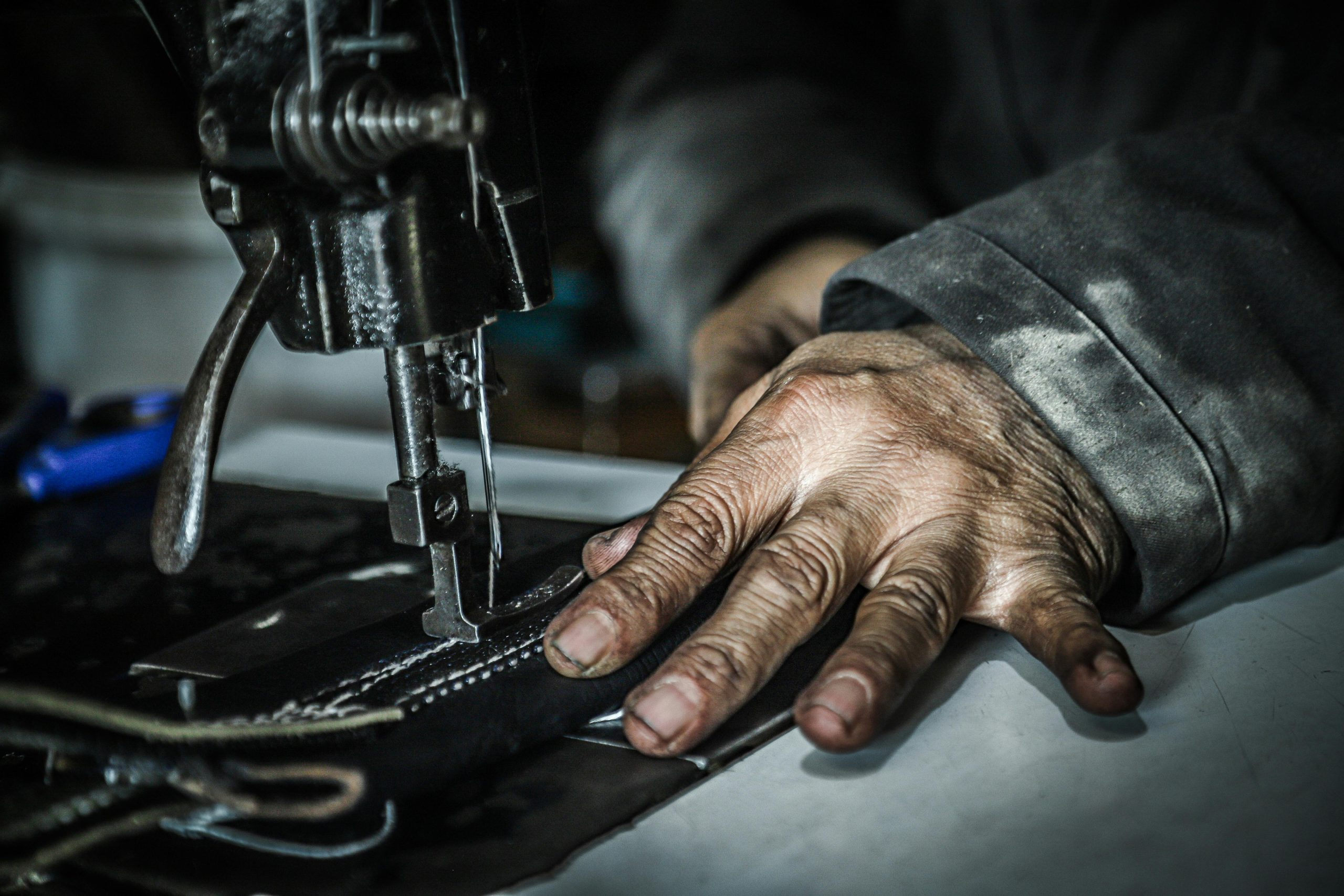
    In a world where fashion trends come and go within the blink of an eye, it’s refreshing to see the time and effort put into creating handcrafted details in garments. These details are more than just embellishments or additions; they are reflections of the artistry and craftsmanship of the designer and their team. From hand-stitched embroidery to hand-painted designs, each detail showcases the skills and dedication of the individuals behind the garment.

    The Human Touch

    Unlike mass-produced clothing, handcrafted details in garments add a unique touch that cannot be replicated. The human touch brings an element of imperfection that is often desired in the world of fashion. These imperfections add character and personality to the garment, making it one-of-a-kind and adding value to it. Whether it’s a subtle hand-stitched monogram or a hand-painted floral design, the human touch in handcrafted details is what makes them truly valuable.

    Quality and Durability

    Handcrafted details in garments are made with meticulous attention to detail and a focus on quality. These details are not just aesthetically pleasing but also play a significant role in the overall durability of the garment. Unlike mass-produced items, handcrafted details are made to last, ensuring that the garment will withstand the test of time. This adds value to the garment, making it a sustainable and long-lasting investment piece.

    Preservation of Traditional Techniques

    Handcrafted details in garments also hold a special value in preserving traditional techniques and heritage. In many cultures, certain handcrafted techniques have been passed down from generation to generation, and incorporating them into fashion allows these techniques to continue thriving. Not only does this add value to the garment, but it also honors the cultural significance and craftsmanship behind these techniques.

    A Story to Tell

    Every handcrafted detail in a garment has a story to tell. Whether it’s the origin of the technique, the inspiration behind the design, or the journey of the designer in creating the detail, these stories make the garment even more valuable. It adds a personal touch and a deeper connection to the garment for both the designer and the consumer.

    In Conclusion

    Handcrafted details in garments go beyond just aesthetics; they hold a significant value in the world of fashion. From showcasing artistry and craftsmanship to preserving traditional techniques and adding a human touch, these details add an irreplaceable element to a garment. So the next time you come across a handcrafted detail in a garment, remember the true value and consider supporting the artisans behind it. After all, handmade is always worth it.

  • The Global Appeal of Japanese Street Fashion Aesthetics

    The Global Appeal of Japanese Street Fashion Aesthetics

    Japanese street fashion has long been admired and imitated by fashion enthusiasts around the world. From the streets of Tokyo to fashion runways in Paris, the unique and eclectic style of Japanese street fashion has captivated a global audience. The combination of bold colors, playful patterns, and unexpected accessories has made it an irresistible aesthetic for those looking to express their personal style. But what exactly is it about Japanese street fashion that has such a widespread appeal? Let’s take a closer look at the global appeal of this fashion phenomenon.

    The Origins of Japanese Street Fashion

    Japanese street fashion emerged in the 1970s and 1980s as a rebellion against the strict traditional dress codes and norms in Japan. Young people began to experiment with their fashion, mixing and matching Western and traditional Japanese elements to create a style that was truly unique. This “DIY” approach to fashion caught on quickly and became a symbol of self-expression and individuality for Japanese youth.

    Harajuku – The Birthplace of Japanese Street Fashion

    While Japanese street fashion can now be seen all over Japan, it originated in the Harajuku district of Tokyo. Harajuku is known for its vibrant and eccentric street style and is often referred to as the fashion and shopping mecca of Japan. It is a hub for young people to express themselves through fashion and is home to some of the most well-known street fashion subcultures in Japan.

    The Unique Aesthetics of Japanese Street Fashion

    At first glance, Japanese street fashion may seem chaotic and random, but there is a method to the madness. The blending of different elements, from vintage pieces to high-fashion designer items, creates a unique and distinct look. The use of bold colors, patterns, and oversized silhouettes also adds to the unique and playful nature of this fashion aesthetic.

    Inspiration from Anime and Manga

    Japanese street fashion is heavily influenced by popular anime and manga culture. Many fashion trends are inspired by the colorful and exaggerated styles seen in these forms of entertainment. From cosplay-inspired outfits to cartoon-inspired accessories, these elements add a fun and whimsical touch to Japanese street fashion.

    Global Impact and Influence

    Japanese street fashion has not only captured the hearts of those in Japan but has also made a significant impact on the global fashion industry. Designers from around the world have been inspired by the unique and creative style seen in Japanese fashion and have incorporated elements of it into their own collections. Likewise, fashion enthusiasts from all over the world have embraced Japanese street fashion and incorporated it into their personal style.

    Street Style Photographers and Social Media

    The rise of social media and street style photography has also played a significant role in the global appeal of Japanese street fashion. With the help of platforms like Instagram and Tumblr, fashion lovers can easily discover and share the latest trends and styles from the streets of Tokyo. This exposure has further fueled the global interest in Japanese street fashion.

    In Conclusion

    The unique blend of tradition, rebellion, and creativity makes Japanese street fashion a truly irresistible and globally appealing aesthetic. It celebrates individuality and encourages experimentation, making it a favorite among fashion enthusiasts worldwide. From its humble beginnings in Tokyo’s Harajuku district to its influence on the global fashion industry, Japanese street fashion continues to captivate and inspire fashion lovers of all ages and backgrounds.

  • How Pop Culture Phenomena Inspire New Clothing Collections

    How Pop Culture Phenomena Inspire New Clothing Collections

    In today’s fast-paced world, popular culture is constantly evolving and shaping our everyday lives. From music and movies to social media and memes, pop culture has a significant influence on the way we think, act, and dress. One of the most significant impacts of pop culture is in the fashion industry, where it serves as an endless source of inspiration for new collections. In this article, we’ll take a closer look at how pop culture phenomena inspire new clothing collections, and the important role they play in the fashion world.

    The Power of Pop Culture in Fashion

    Pop culture refers to the mainstream, prevailing trends and ideas within society. It includes everything from fashion and music to technology and social media. In recent years, there has been a noticeable increase in the cross-pollination of pop culture and fashion, with popular trends and icons playing a significant role in shaping fashion trends. Fashion designers and brands are always looking for ways to incorporate elements of pop culture into their collections, and for good reason.

    One of the main reasons for the popularity of pop culture-inspired fashion is its relatability. People are drawn to clothing that reflects their interests and personalities, and what better way to do that than by wearing designs inspired by their favorite movies, TV shows, or celebrities? This relatability creates a strong emotional connection with consumers and makes them feel like they are a part of something bigger.

    The Impact of Social Media

    Social media has played a significant role in the rise of pop culture-inspired fashion. Platforms like Instagram, Twitter, and TikTok are flooded with influencer posts, celebrity outfits, and fashion trends, making it easier than ever for people to stay up to date with pop culture and fashion. As a result, fashion brands are now more aware of the impact of pop culture on their target audience and are quick to jump on the latest trend bandwagon.

    Additionally, social media serves as a platform for individuals to express their personal style and share their fashion choices. With the rise of user-generated content, people are not only consuming fashion trends but also creating them. This has led to a more diverse range of fashion choices, heavily influenced by pop culture.

    Examples of Pop Culture-Inspired Fashion

    Pop culture has been a source of inspiration for fashion for decades, with some of the most iconic fashion moments coming from the entertainment world. One of the most famous examples is the little black dress, made famous by Audrey Hepburn in the movie Breakfast at Tiffany’s. This timeless piece has remained a wardrobe staple, and its pop culture roots continue to be celebrated.

    In recent years, TV and movie franchises like Harry Potter, Game of Thrones, and Stranger Things have also had a significant influence on fashion. From licensed merchandise and collaborations with fashion brands to DIY inspired outfits, these pop culture phenomena have become a major part of the fashion landscape.

    Benefits of Pop Culture-Inspired Fashion

    Besides being a popular trend, pop culture-inspired fashion also has many benefits for both the fashion industry and consumers. For fashion brands, it provides a continuous source of inspiration, allowing them to stay relevant and appeal to a wider audience. It also helps increase brand awareness and reach new markets through collaborations and licensed merchandise.

    For consumers, wearing pop culture-inspired fashion allows them to express their interests and individuality. It also adds an element of fun and nostalgia to their wardrobe. Additionally, collaborations and licensed merchandise offer a unique opportunity for fans to own a piece of their favorite pop culture franchises.

    In Conclusion

    Pop culture and fashion have always been intertwined, and its influence on the fashion industry shows no signs of slowing down. From iconic movie moments to popular TV shows and social media trends, pop culture continues to inspire new clothing collections. With its relatability and emotional connection, pop culture-inspired fashion is here to stay, and we can’t wait to see what the future holds.

  • The Role of Fashion Archives in Preserving Design History

    The Role of Fashion Archives in Preserving Design History

    Fashion is a constantly evolving industry, with new trends and styles emerging and disappearing at a rapid pace. However, amidst all the changes and innovations, it is crucial to remember and preserve the history and heritage of fashion design. Fashion archives play a significant role in preserving the essence of fashion and capturing its evolution over time. These archives are a treasure trove of information and serve as a valuable resource for fashion designers, historians, and enthusiasts, providing insights into the development of fashion and the influences that shape it. In this article, we will delve into the role of fashion archives in preserving the history of design and why they are essential for the industry.

    The Importance of Fashion Archives

    Fashion archives serve as repositories for all things related to fashion history. They house a vast collection of garments, textiles, photographs, sketches, and documents dating back centuries, making them a critical resource for anyone studying the evolution of fashion. These archives provide a holistic view of the industry, showcasing not only the finished products but also the process behind their creation, including design inspiration, production techniques, and cultural influences.

    Moreover, fashion archives also serve as a source of inspiration for contemporary designers. By exploring the past, designers can gain insight into design elements, techniques, and styles that have stood the test of time. This allows them to incorporate these elements into their modern designs, creating a bridge between the past and the present and keeping the essence of fashion alive.

    The Role in Preserving Design History

    Fashion archives are valuable resources for preserving the history of design as they provide a comprehensive record of fashion trends and styles over time. By studying the garments and artifacts in these archives, one can gain a better understanding of the evolution of design, the influences that shaped it, and the cultural and societal context in which it emerged. This information is crucial for preserving the integrity of design history and ensuring that future generations have access to accurate and authentic records.

    Additionally, fashion archives also play a crucial role in identifying and preserving the work of lesser-known designers. While the work of established and well-known designers is often extensively documented, there are many talented designers whose work may have gone unnoticed. Fashion archives help bring these designers to light and give them the recognition they deserve, preserving their legacy for years to come.

    The Digital Age and Fashion Archives

    In today’s digital age, fashion archives have taken on a new dimension, with many archives digitizing their collections and making them available online. This has not only made these archives more accessible, but it has also allowed for the preservation and documentation of garments and documents in a more comprehensive and convenient manner.

    Furthermore, the digitization of fashion archives has opened up new possibilities for research and collaboration. Designers, researchers, and historians can now access these archives from anywhere in the world, enabling them to study and analyze fashion history in a more efficient and effective manner.

    In Conclusion

    The role of fashion archives in preserving design history cannot be overstated. They serve as a time capsule for the fashion industry, providing a glimpse into the past and preserving the legacy of designers and their work. Fashion archives also play a crucial role in inspiring and shaping the future of fashion design, ensuring that the industry continues to evolve while staying connected to its roots. With the continued efforts of fashion archives and the advancements in technology, we can be confident that the legacy of fashion will be preserved for generations to come.

  • Designing for Comfort: Prioritizing Wearability in Modern Clothes

    Designing for Comfort: Prioritizing Wearability in Modern Clothes

    When it comes to fashion, the first thing that comes to mind is style and aesthetics. But in recent years, there has been a shift towards prioritizing comfort and wearability in modern clothing designs. This is not surprising as the fast-paced lifestyle of today demands comfortable and functional clothes. In this article, we will discuss the importance of designing for comfort and how wearability should be a key consideration in modern clothing designs.

    The Importance of Comfort in Modern Clothing Designs

    In the past, fashion was all about making a statement and looking good. Comfort often took a backseat to style, with tight and restrictive fabrics being the norm. But with changing times, people have started to value comfort in their clothing choices. This shift can be attributed to several factors, including a rise in awareness about the harmful effects of uncomfortable clothing on our health and well-being.

    Today’s modern lifestyle demands comfortable and versatile clothing that can keep up with the fast-paced daily routines. Whether it’s going to work, running errands or hitting the gym, people want to feel at ease in their clothing choices. This has led to a demand for clothing that not only looks good but also feels good to wear.

    Designing for Comfort

    Choosing the Right Fabric

    The first step to designing for comfort is choosing the right fabric. Fabrics that are soft, breathable and stretchable are the top choices for comfortable clothing. Natural fabrics like cotton, linen, and silk are lightweight and allow the skin to breathe, making them ideal for everyday wear. Synthetic fabrics like polyester and nylon are also widely used for their moisture-wicking and stretch capabilities.

    In addition to the type of fabric, the weight and density of the fabric should also be considered. Heavier fabrics tend to be bulkier and less breathable, whereas lighter fabrics are more suitable for comfortable and breezy clothing.

    Focusing on Fit and Cut

    The fit and cut of a garment play a crucial role in its wearability. Clothes that are too tight or too loose can cause discomfort and restrict movement. A comfortable fit ensures that the garment moves with the body and does not hinder any physical activities. Additionally, the cut of the garment should be carefully considered, especially for clothes that are meant for more active wear. The right cut can provide ease of movement and prevent any chafing or discomfort.

    Prioritizing Wearability

    Functional Designs

    In today’s fast-paced lifestyle, functional clothing designs are gaining popularity. Functional designs refer to clothing that is not only comfortable but also serves a specific purpose. For example, activewear and athleisure clothing are designed to provide comfort and support during physical activities. Similarly, workwear should be designed to support movement and allow for a comfortable day at work.

    Avoiding Tightness and Restriction

    It’s essential to avoid tight and restrictive clothing as it can be uncomfortable and even harmful to the body. Tight clothing can affect circulation and cause discomfort and irritation. With this in mind, modern clothing designs should focus on providing ease of movement and avoiding any tight or restricting elements.

    In conclusion, comfort and wearability are crucial considerations in modern clothing designs. With the rise of a fast-paced lifestyle, people are looking for versatile and comfortable clothing that can keep up with their daily routines. As designers, it’s important to focus on using the right fabrics, fit, and cut to prioritize comfort in clothing designs. Furthermore, considering the functionality and avoiding tightness and restriction will also lead to successful and comfortable clothing designs.