Category: Fashion

  • How Transparency Builds Trust Between Brands and Consumers

    How Transparency Builds Trust Between Brands and Consumers

    Trust is the foundation of any successful relationship, whether it be personal or professional. This applies to the relationship between consumers and brands as well. For brands, building trust with consumers is essential for not only retention but also for growth. In today’s digital age, where information is abundant and easily accessible, consumers are increasingly demanding transparency from the brands they support. This demand for transparency is not just a fleeting trend but a shift in consumer behavior that is here to stay. In this article, we will explore the concept of transparency and its role in building trust between brands and consumers.

    The Power of Transparency

    Transparency refers to the act of being open, honest, and clear about the inner workings of a business. This includes all aspects, from production processes to pricing to company values and policies.

    Brands that prioritize transparency demonstrate a willingness to be authentic and build a level of trust and credibility with consumers. In a highly competitive market, transparency can be a powerful differentiator for a brand, setting them apart from their competitors. It also allows brands to connect with consumers on a deeper level, creating a sense of authenticity and relatability.

    Moreover, transparency can also have a positive impact on a brand’s reputation. A brand that is open and honest about its practices is less likely to face backlash or negative publicity. Additionally, consumers are more likely to forgive and continue to support a brand that is transparent and takes responsibility for its mistakes.

    Building Trust through Transparency

    Now more than ever, consumers are demanding transparency from the brands they support. With access to a plethora of information, they can easily research and compare products and companies before making a purchase decision. This means that brands need to be transparent from the get-go to build a relationship of trust with consumers.

    1. Product Information and Ingredients

    One of the key components of transparency is providing accurate and detailed information about a product’s ingredients and sourcing. Consumers are increasingly becoming conscious about what goes into the products they use, whether it be food, skincare, or household items. Brands that are upfront about their ingredients and sourcing are more likely to gain the trust of consumers.

    This level of transparency can also act as a selling point for consumers who are seeking ethical and sustainable products. For example, if a brand uses ethically sourced ingredients or practices sustainable production methods, they should make this information readily available to consumers.

    2. Production and Manufacturing Processes

    The production process can often be shrouded in mystery, particularly for industries like fashion or electronics. Many consumers are becoming increasingly aware of the negative impact of fast fashion or unethical labor practices, and they want to support brands that are doing better. Thus, being transparent about the production and manufacturing processes can help build trust with consumers.

    This can include information about the working conditions, wages, and sourcing of materials. Brands that prioritize fair trade, sustainable practices, or ethical manufacturing can use this as an opportunity to demonstrate their values and build a positive reputation with consumers.

    3. Company Values and Policies

    In today’s socially and politically charged climate, consumers are looking to support brands that align with their values and beliefs. Companies that are transparent about their values and policies can attract and retain customers who share similar values.

    Moreover, having clearly defined policies, such as returns and refunds, privacy, and customer service, can also help build trust with consumers. It shows that a brand is committed to providing a positive and transparent customer experience.

    The Impact on Consumer Behavior

    Transparency is not just about building trust with consumers; it can also influence their behavior. In a survey conducted by Label Insight, 94% of consumers said they were more likely to be loyal to a brand that offers complete transparency. Furthermore, 73% of consumers said they would be willing to pay more for a product that offers complete transparency.

    This data highlights the importance of transparency in building trust and brand loyalty. By being open and honest with consumers, brands can attract and retain loyal customers who are willing to support them by making mindful purchasing decisions.

    The Bottom Line

    The rise in the demand for transparency among consumers is not a fad but a lasting change in consumer behavior. Brands that prioritize transparency and make it a core value will not only build trust with their customers but also set themselves apart from the competition. In today’s crowded market, trust is the currency that can make or break a brand, and transparency is the key to earning it.

    By striving for transparency in all aspects of their business, brands can attract and retain loyal consumers who value honesty and authenticity. In the long run, this can lead to brand loyalty, positive word-of-mouth, and ultimately, business growth. So, let transparency be the cornerstone of your brand’s relationship with consumers.

  • The Art of Draping: Manipulating Fabric Into Beautiful Shapes

    The Art of Draping: Manipulating Fabric Into Beautiful Shapes

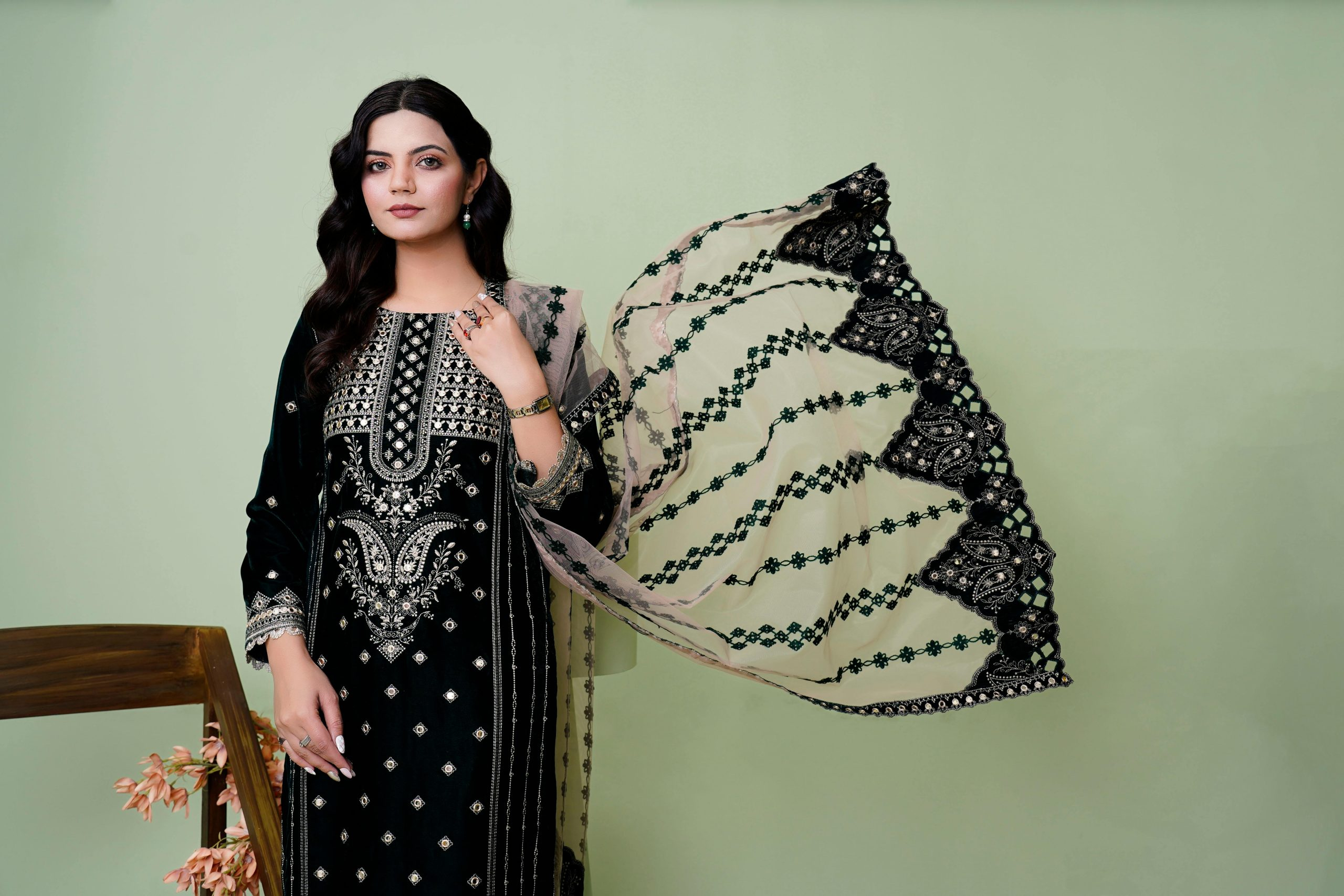
    The art of draping involves the manipulation of fabric to create unique and beautiful shapes. From timeless Grecian gowns to modern avant-garde designs, draping is a technique that has been used by fashion designers for centuries. It is a skill that requires precision, creativity, and a deep understanding of fabric properties. In this article, we will explore the history of draping, its practical applications in fashion, and the key techniques used to create stunning draped garments.

    The History of Draping

    Draping, also known as dressmaking or patternmaking, has its roots in ancient civilizations. In ancient Greece, draping was a prestigious skill known only to the elite. Garments were created by wrapping and tying fabric around the body, resulting in flowing and elegant silhouettes. This technique was also used in ancient Rome, where draped garments were an essential part of the Roman clothing tradition.

    As fashion evolved, draping techniques became more refined and complex. In the 19th century, with the rise of haute couture, draping became an integral part of high-end fashion. Designers like Charles Frederick Worth and Paul Poiret used draping to create lavish and luxurious designs that were coveted by the wealthy and elite.

    The Practical Applications of Draping in Fashion

    Today, draping is used in various forms of fashion, from haute couture to ready-to-wear collections. It is a crucial part of the design process, allowing designers to create unique and innovative silhouettes that cannot be achieved through traditional patternmaking techniques.

    One of the main benefits of draping is its versatility. It allows designers to work directly with fabric on a dress form, experimenting and manipulating it until they achieve the desired shape. This method allows for more flexibility and creativity in the design process, resulting in one-of-a-kind garments.

    Draping is also essential in creating custom-fitted garments. By draping fabric directly onto a client’s body or a dress form, designers can create garments that fit perfectly and accentuate their client’s body shape. This skill is particularly important in haute couture, where each garment is made-to-measure for a specific client.

    The Key Techniques of Draping

    Manipulating and Pinning

    The basic technique of draping involves manipulating fabric on a dress form and then using pins to secure it in place. By pulling, stretching, and folding the fabric, designers can create different draping effects, such as gathers, pleats, and folds. The placement and direction of the pins are crucial in creating the desired shape and structure.

    Slash and Spread

    Another technique that is often used in draping is the slash and spread method. It involves cutting a piece of fabric and then spreading it out to create more volume and fullness. This technique is commonly used to create flared skirts or billowing sleeves.

    Underlining and Interfacing

    To ensure that a draped garment has the right structure and support, underlining and interfacing are often used. Underlining involves attaching a layer of fabric underneath the main fabric to add body and stability. Interfacing, on the other hand, is a type of fabric used to reinforce specific areas of a garment, such as collars and cuffs.

    Finishing Techniques

    After achieving the desired draped effect, the final step is to finish the garment. This involves cutting the fabric pieces, removing the pins, and sewing them together to create a permanent garment. Skillful finishing techniques are essential to ensure that the draped effect is maintained and that the garment fits perfectly.

    In Conclusion

    The art of draping is a timeless skill that has shaped the world of fashion. From ancient civilizations to modern runways, draping continues to be an integral part of the design process. It requires a blend of creativity, technical skill, and an understanding of fabric properties. Whether creating elegant evening gowns or avant-garde designs, draping allows designers to push the boundaries of fashion and create truly unique and beautiful garments.

  • Understanding the Global Phenomenon of Denim Wear Popularity

    Understanding the Global Phenomenon of Denim Wear Popularity

    Denim wear has become a ubiquitous fashion trend that has transcended generations, cultures, and social classes. What started as a sturdy workwear fabric in the American West during the 1850s has now evolved into a highly sought-after item in the fashion industry. From high-end designer brands to affordable fast-fashion retailers, denim has firmly established itself as a global phenomenon. In this article, we will delve into the reasons behind the enduring popularity of denim wear and the impact it has had on the fashion landscape worldwide.

    The Rise of Denim Wear

    The origin of denim can be traced back to the 17th century when it was first worn by Italian sailors for its durability and resistance to wear and tear. Over time, denim was embraced by workers in the mining and agricultural industries in America due to its practicality. However, it wasn’t until the 1950s when denim truly gained mass appeal with the rise of youth culture and the rebellious image associated with it. The birth of rock ‘n’ roll and the iconic fashion sense of stars like Elvis Presley and James Dean helped propel denim into the mainstream.

    Different Styles of Denim

    Denim comes in a variety of styles, from form-fitting skinny jeans to relaxed boyfriend jeans. Apart from the traditional blue denim, it is now available in a vast range of colors, washes, and prints. The versatility of denim makes it a wardrobe staple for people of all ages and backgrounds. It is equally popular among men and women and is regularly spotted on celebrities, fashion influencers, and the average person on the street.

    The Comfort Factor

    One of the primary reasons behind the global popularity of denim wear is its comfort. The fabric is made from cotton, which makes it breathable and suitable for all seasons. Additionally, denim is now blended with fabrics like spandex, making it stretchable and providing the perfect fit. Whether it’s for a casual day out or a busy day at work, denim provides both style and comfort, making it a go-to choice for many.

    The Sustainable Choice

    In recent years, there has been a growing awareness about the environmental impact of the fashion industry. As consumers become more conscious of their choices, denim has emerged as a sustainable option. The durability of denim means that it can last for years, reducing the need for frequent replacements. Furthermore, there has been a shift towards eco-friendly denim production, with brands using sustainable materials and production methods.

    The Global Appeal of Denim

    The popularity of denim is not limited to a particular region or demographic. It has a universal appeal and is worn by people all over the world. In countries like Japan, denim is seen as a symbol of American culture and is highly coveted. In India, a country known for its vibrant textiles, denim has carved its niche as a must-have item in every wardrobe. This global appeal has also contributed to the growth of the denim industry, with an estimated annual revenue of over $100 billion.

    The Impact on the Fashion Industry

    The rise of denim wear has had a significant impact on the fashion industry. It has blurred the lines between high fashion and streetwear, with luxury brands incorporating denim into their collections. Denim has also inspired countless designers to experiment with new styles, cuts, and embellishments, making it a constantly evolving trend. Additionally, the global demand for denim has created job opportunities and boosted the economies of countries like Bangladesh, China, and India, where a large portion of denim production takes place.

    In Conclusion

    The enduring popularity of denim wear is a testament to its timeless appeal and versatility. As a fabric, it has stood the test of time and consistently evolved to meet the changing fashion landscape. The reasons for the global phenomenon of denim wear popularity are many, and its impact on the fashion industry and society as a whole cannot be ignored. With no signs of slowing down, denim will continue to be a fashion staple for years to come.

  • The Role of Fashion Education in Nurturing New Talent

    The Role of Fashion Education in Nurturing New Talent

    Fashion has been a major part of our lives for centuries, and it continues to make an impact in various industries today. It is a form of self-expression, a statement of identity, and a means of creativity. Behind all the glitz and glamour of the fashion industry, lies a complex and highly competitive world that is constantly in need of new talent to drive its innovation and growth. This is where fashion education plays a crucial role. With the ever-changing landscape of the fashion industry, the role of fashion education in nurturing new talent has become more important than ever.

    The Need for Fashion Education

    The fashion industry is known for its fast-paced and dynamic nature, constantly evolving and setting new trends. This requires individuals with a deep understanding of the industry and the ability to adapt and innovate. This is where fashion education comes in. It is no longer enough to have a passion for fashion; a formal education is essential to thrive in the competitive world of fashion.

    Fashion education provides students with a comprehensive knowledge of the industry, from design and manufacturing to marketing and branding. It equips them with the necessary skills and knowledge to succeed in various roles within the industry. Apart from technical skills, fashion education also teaches students about the history, cultural influences, and ethical considerations of the fashion world, making them well-rounded and responsible individuals.

    Fostering Creativity and Innovation

    One of the most significant benefits of fashion education is that it nurtures and encourages creativity and innovation. Fashion is all about pushing boundaries, taking risks, and creating something unique. Fashion education provides students with the platform and resources to experiment, innovate, and bring their ideas to life.

    Fashion schools also often collaborate with industry experts and companies, giving students the opportunity to work on real-world projects and gain valuable hands-on experience. This exposure not only allows students to sharpen their skills and knowledge but also provides them with a competitive edge in the job market.

    Preparing for a Global Industry

    The fashion industry is a global one, with designers, manufacturers, and consumers from different parts of the world. A career in fashion can take you anywhere, from Paris to Tokyo to New York. Fashion education prepares students to work in a global industry by providing them with a global perspective.

    Fashion schools often have a diverse student body, with students from different countries and backgrounds. This allows students to learn from each other, understand different cultures, and develop a global mindset. Additionally, many fashion schools offer study abroad programs, allowing students to immerse themselves in different cultures and gain a deeper understanding of the global fashion industry.

    The Importance of Mentorship

    Besides imparting knowledge and skills, fashion education also plays a crucial role in mentorship. The fashion industry is notoriously competitive, and sometimes it can be challenging to navigate. Fashion education provides students with access to experienced and successful professionals in the industry who can guide and mentor them.

    Mentorship allows students to learn from the experiences of others, avoid common pitfalls, and develop essential connections in the industry. It also provides them with a network of support and guidance as they grow in their careers.

    Conclusion

    Fashion education is vital in nurturing new talent and shaping the future of the fashion industry. It provides students with the necessary skills, knowledge, and exposure to thrive in a highly competitive and dynamic industry. Along with fostering creativity and innovation, it also prepares students to succeed in a global industry and provides them with valuable mentorship. As the fashion industry continues to evolve, the role of fashion education in nurturing new talent will only become more prominent and crucial.

    It is evident that fashion education is not just about learning the technical aspects of fashion, but also about developing a deep understanding of the industry and its impact on society. Aspiring fashion professionals must see beyond the glamour and recognize the importance of proper education in preparing them for a successful career in fashion.

  • The Benefits of Clothing Rental Services for Sustainable Consumption

    The Benefits of Clothing Rental Services for Sustainable Consumption

    In today’s society, there is a growing concern for sustainable consumption. Many people are becoming more conscious of the impact that their actions have on the environment and are looking for ways to reduce their ecological footprint. One area that has gained popularity in recent years is the use of clothing rental services. Not only does this trend benefit individuals by providing them with access to a constantly refreshed wardrobe, but it also has positive effects on the environment. In this article, we will explore the benefits of clothing rental services for sustainable consumption.

    Reduced Material Consumption

    The fashion industry is one of the biggest contributors to global pollution, with the production of textiles and clothing accounting for 10% of all carbon emissions. By renting clothes instead of buying them, individuals can significantly reduce their material consumption. This means fewer resources are used in the production and transportation of clothing, resulting in a smaller carbon footprint. Additionally, clothing rental services often have a focus on sustainability and use eco-friendly materials, further reducing the negative impact on the environment.

    Reduced Waste

    The traditional model of buying clothes involves a constant cycle of purchasing, wearing, and discarding. This results in a massive amount of waste, with the average American throwing away around 70 pounds of clothing each year. Most of this clothing ends up in landfills, where it can take hundreds of years to decompose, releasing harmful chemicals into the environment. With clothing rental services, individuals can break this cycle and reduce their contribution to the fashion industry’s waste problem.

    Cost-Effective

    Many people are put off by the idea of renting clothes, assuming that it will be more expensive than buying them. However, this is not necessarily the case. In fact, renting clothes can be a cost-effective way to refresh your wardrobe. Most clothing rental services offer monthly subscription plans that allow individuals to rent a set number of pieces each month. This means that for a fraction of the cost of buying new clothes, individuals can have access to a constantly refreshed wardrobe with a variety of styles and brands to choose from.

    Encourages a Circular Economy

    Clothing rental services also play a vital role in promoting a circular economy. In a traditional linear economy, resources are extracted, transformed into products, used briefly, and then discarded. However, in a circular economy, resources are kept in use for as long as possible, with materials recovered and regenerated at the end of their lifecycle. By renting clothes, individuals are participating in a more sustainable system, where clothing is reused and recycled instead of being sent to landfills.

    Reduces the Need for Fast Fashion

    In recent years, the rise of fast fashion has become a major concern for the environment. Fast fashion refers to clothing that is produced rapidly and cheaply, often at the cost of ethical and sustainable practices. By renting clothes, individuals are not supporting this harmful industry and are instead opting for more sustainable options. This can lead to a decrease in demand for fast fashion, encouraging brands to shift towards more ethical and sustainable practices.

    Conclusion

    Clothing rental services offer a unique opportunity for individuals to participate in sustainable consumption. By reducing material consumption and waste, promoting a circular economy, and decreasing the demand for fast fashion, clothing rental services have a positive impact on the environment. Not only that, but they also offer a cost-effective way to refresh your wardrobe and have access to a wide variety of styles and brands. With sustainable consumption becoming increasingly important, opting to rent instead of buy clothes is a small change that can make a big difference in the long run.

  • How Fashion Designers Interpret Cultural Movements Into Styles

    How Fashion Designers Interpret Cultural Movements Into Styles

    The world of fashion is constantly evolving and reinventing itself, and one of the key drivers of this evolution is cultural movements. These social and cultural shifts influence not only the way we think and act, but also how we express ourselves through fashion. In this article, we will explore the dynamic relationship between fashion designers and cultural movements. We will delve into the ways in which these movements shape and inspire fashion styles, and how designers interpret them to create garments that represent our ever-changing society. Join us on this journey of discovering the fascinating process of how fashion designers interpret cultural movements into styles.

    Cultural Movements: A Catalyst for Fashion Evolution

    Cultural movements encompass a wide range of social, political, and artistic movements that shape the way we see the world. From the hippie movement of the 1960s to the grunge movement of the 1990s, these shifts in culture have a profound impact on the fashion industry. As people start to adopt new beliefs and attitudes, they often seek ways to express this through self-expression, and fashion serves as a powerful tool for this purpose.

    Take the current body positivity movement, for example. With a growing emphasis on embracing diverse body types, we have seen a significant shift in the fashion industry towards inclusivity. Designers are now creating collections that cater to a wider range of sizes and celebrating diverse beauty standards. This shows how cultural movements affect not just the aesthetics of fashion, but also its inclusivity and social impact.

    From Inspiration to Interpretation: The Creative Process of Fashion Designers

    For fashion designers, cultural movements serve as a source of inspiration. However, it is not a simple case of direct translation from social changes to design concepts. It is a complex and nuanced process that requires skill, creativity, and a deep understanding of the movement. Designers must be able to interpret and translate the essence of the movement into garments that not only reflect its ideals but also appeal to the consumer market.

    For instance, when the punk movement emerged in the 1970s, it was primarily a rebellious response to societal norms and expectations. This movement gained its influence from music, art, and culture, all of which were characterized by a raw and anti-establishment attitude. Fashion designers at the time, such as Vivienne Westwood and Malcolm McLaren, embraced this anarchic spirit and incorporated elements of punk into their collections. They used unconventional materials, distressed fabrics, and edgy silhouettes to convey the essence of the movement while still maintaining a sense of commercial viability.

    Cultural Appropriation vs. Cultural Appreciation

    One of the challenges that fashion designers face when interpreting cultural movements is the risk of cultural appropriation. With the rise of social media and fast fashion, cultural appropriation has become a widespread issue in the industry. It refers to the act of using elements from a minority culture without giving proper credit or acknowledgement, often leading to misrepresentation and exploitation.

    However, cultural appreciation, when done respectfully and with the involvement of the community, can be a powerful way to celebrate and showcase diverse cultures. Fashion designers must be mindful of the cultural significance of their designs and involve people from the community in the creation process. An excellent example of this is designer Christian Dior’s collaboration with a Native American collective to create a collection that celebrated Native American culture and craftsmanship.

    The Impact of Fashion Designers’ Interpretations on Society

    Beyond creating aesthetic trends, fashion designers’ interpretations of cultural movements have a significant impact on society. Fashion has always been a medium for social change and has the power to challenge and shape social norms. When designers incorporate elements of cultural movements into their designs, they are making a statement and sparking a conversation.

    The hijab, for example, is a garment that has been used to express religious and cultural identity for centuries. In recent years, we have seen designers like H&M, DKNY, and Dolce & Gabbana featuring hijabs in their collections, sending a powerful message of inclusivity and representation. This has not only opened doors for representation in the fashion industry but also acts as a form of empowerment for women.

    In Conclusion

    Cultural movements are the driving force behind the transformation and evolution of fashion. They provide a powerful source of inspiration for designers to create styles that reflect our constantly changing world. By skillfully interpreting these movements, fashion designers not only create trendsetting garments but also spark important conversations and bring about social change.

    As we have seen, this process requires a deep understanding and respectful approach towards cultural movements and their impact. In this ever-evolving world of fashion, we can only imagine what new cultural movements will emerge, and how designers will continue to interpret them into unique and impactful styles.

  • Designing Out Waste: Circular Economy Principles in Clothing

    Designing Out Waste: Circular Economy Principles in Clothing

    As the fashion industry continues to grow and evolve, so does its impact on the environment. From the use of natural resources to the generation of waste, the traditional linear production model of clothing has been associated with many sustainability issues. However, over the past decade, a new approach has emerged – designing out waste through circular economy principles.

    What is a Circular Economy?

    A circular economy is a system in which resources are kept in use for as long as possible through recycling, repurposing, and reusing. In traditional linear production, resources are extracted, transformed into products, and disposed of after use, resulting in a significant amount of waste. On the other hand, in a circular economy, waste is minimized by designing products with the aim of keeping materials in use and eliminating the concept of single-use products.

    Applying Circular Economy Principles in Clothing

    The fashion industry is known for its fast-paced nature, with new trends coming in and out every season. This constant pressure to produce and keep up with demand has contributed to the industry’s negative impact on the environment, including waste production. However, by applying circular economy principles, designers and clothing brands can help reduce the environmental impact of their creations.

    Design for Durability

    The first principle in circular fashion design is to create products that are durable and long-lasting. This means designing high-quality, timeless pieces that are made to withstand multiple uses and washes. By prioritizing durability, clothing items can stay in use for longer without the need for constant replacements, reducing the amount of waste generated.

    Use Sustainable Materials

    Sourcing sustainable materials is another crucial aspect of circular fashion design. Designers and brands can opt for materials that have a lower environmental impact, such as organic cotton, recycled polyester, and biodegradable fabrics. Using sustainable materials not only reduces waste but also decreases the use of finite resources and minimizes the environmental footprint of the industry.

    Implement Take-Back Programs

    Take-back programs are initiatives that allow customers to return their used clothing items to be recycled or repurposed. This not only reduces waste but also creates a closed loop in the production cycle, where the materials from old products can be used to create new ones. Many brands, such as H&M and Patagonia, have implemented successful take-back programs, showing the potential impact of such initiatives.

    Design for Disassembly

    Designing for disassembly involves creating products with the intent of easily separating and recycling their components. This allows materials to be reused in new products, reducing the need for new resources. Brands can design clothing items with detachable parts or use design techniques, such as laser cutting, to make it easier to disassemble products at the end of their lifecycle.

    Implementing Technology

    Technology can play a significant role in achieving a circular fashion system. For instance, 3D printing technology has the potential to produce clothing items with minimal waste by precisely creating only the required amount of material. Also, blockchain technology can be used to track the entire lifecycle of a product, ensuring transparency and promoting sustainability in the supply chain.

    The Benefits of Designing Out Waste

    Designing out waste through circular economy principles not only benefits the environment but also has many economic advantages. By reducing waste, brands can save on material costs, increase customer loyalty, and improve their reputation as a sustainable company. Additionally, circular fashion can also create new job opportunities in areas such as repair, resale, and recycling, contributing to a more socially and economically sustainable industry.

    Conclusion

    In conclusion, designing out waste through circular economy principles is essential for a more sustainable future for the fashion industry. By implementing strategies such as designing for durability, using sustainable materials, and implementing technology, designers and brands can significantly reduce their environmental impact and contribute to the growth of a circular fashion system. It is time for the fashion industry to move away from the traditional linear model and embrace a circular approach to design and production.

  • The Importance of Traceability in the Fashion Supply Chain

    The Importance of Traceability in the Fashion Supply Chain

    The fashion industry is one of the largest and most complex supply chains in the world. From the production of raw materials to the delivery of finished products, there are countless stages and players involved in the process. However, this complexity also presents many challenges, one of which is the lack of traceability. Traceability is the ability to track the movement of a product through each stage of the supply chain. In recent years, the importance of traceability in the fashion supply chain has been increasingly recognized. In this article, we will delve deeper into why traceability is crucial for the fashion industry and the various benefits it brings.

    The Impact of Fast Fashion

    In the past decade, the fashion industry has experienced a significant shift towards fast fashion. This trend involves producing and selling large quantities of cheap, trendy clothing at a rapid pace. Fast fashion has created a culture of consumerism where customers are constantly bombarded with new styles and encouraged to buy more, leading to an increase in waste and negative environmental and social impacts.

    At the heart of fast fashion lies a complex and opaque supply chain. With garments being produced in multiple countries and through numerous subcontractors, it becomes challenging to track the origin of materials and labor. This lack of traceability not only makes it difficult to ensure ethical practices, but it also creates risks of counterfeit products and pollution. This is where traceability comes into play.

    The Importance of Traceability

    Ensuring Ethical Practices

    The most crucial benefit of traceability in the fashion supply chain is ensuring ethical practices. With multiple tiers and subcontractors involved in production, it becomes easy for brands to turn a blind eye to labor exploitation and environmental damage. Traceability allows companies to track the origin of their materials and ensure fair labor practices are being followed. It also allows for better transparency and accountability, making it easier for consumers to make informed choices and hold brands accountable.

    Minimizing Counterfeit Products

    Counterfeit products are a significant challenge for the fashion industry, with the rise of e-commerce and online marketplaces making it even easier for these products to enter the market. With traceability, companies can track each stage of the supply chain and verify the authenticity of their products. This not only protects the brand’s reputation but also ensures customers are purchasing genuine products.

    Reducing Environmental Impact

    The majority of fashion products are made from materials such as cotton, polyester, and leather, requiring large amounts of resources and energy. The lack of traceability in the supply chain makes it difficult to track the origin of these materials and determine their sustainability. With traceability, companies can ensure that their materials are responsibly and sustainably sourced, reducing their environmental impact.

    Implementing Traceability in the Fashion Supply Chain

    Implementing traceability in such a complex supply chain is no easy feat. However, many brands and organizations have started taking steps towards creating a more transparent and traceable fashion industry. Some ways to achieve this include:

    Using Blockchain Technology

    Blockchain technology, best known for powering cryptocurrencies, has emerged as a promising solution for traceability in the fashion industry. By creating a distributed ledger of transactions, blockchain technology allows for a more transparent and secure supply chain, making it easier to trace the origin of materials and track their movement.

    Collaborating with Suppliers

    Collaboration with suppliers is crucial for implementing traceability in the fashion supply chain. Brands must work closely with their suppliers to establish traceability systems and ensure ethical and sustainable practices are being followed. This can also involve providing training and resources to suppliers to help them improve their processes.

    Consumer Education

    Lastly, consumer education plays a crucial role in creating a more transparent and traceable fashion industry. By educating consumers about the importance of traceability and ethical and sustainable practices, they can make more informed purchasing decisions and put pressure on brands to prioritize these factors.

    Conclusion

    The fashion industry has come a long way in recognizing the importance of traceability. With increased consumer demand for transparency and accountability, more brands are starting to prioritize ethical and sustainable practices. However, there is still a long way to go towards creating a fully transparent and traceable fashion supply chain. By working together and implementing the right strategies, we can create a more ethical, sustainable, and transparent fashion industry for the future.

  • Understanding the Impact of Celebrity Stylists on Red Carpets

    Understanding the Impact of Celebrity Stylists on Red Carpets

    Celebrities are always the center of attention on the red carpet, but have you ever wondered how they achieve their stunning looks? It’s not just their natural beauty or designer clothing that catches our eye, but the work of talented celebrity stylists. These fashion mavens are the true behind-the-scenes stars who help bring celebrities’ red carpet looks to life. But their impact goes beyond just making us ooh and aah over glamorous gowns and impressive outfits. In this article, we’ll delve into the world of celebrity stylists and uncover the impact they have on red carpets, from setting trends to boosting designer brands.

    The Rise of the Celebrity Stylist

    In the past, celebrities were expected to have an innate sense of style and put together their own red carpet looks. However, with the rise of social media and the constant spotlight on celebrity fashion, the demand for professional stylists has increased. These stylists not only dress their clients for a single event, but often work with them on a long-term basis, providing fashion advice for all aspects of their public image.

    Creating Iconic Looks

    Celebrity stylists have become synonymous with creating iconic looks that are talked about for years to come. Who can forget Lady Gaga’s meat dress designed by stylist Nicola Formichetti, or Rihanna’s show-stopping yellow gown at the Met Gala, styled by Mel Ottenberg? These looks not only make headlines, but also set trends and influence the fashion industry.

    Promoting Designer Brands

    Celebrities are often dressed head-to-toe in designer labels on the red carpet, and this is no coincidence. Celebrity stylists work closely with fashion houses to dress their clients in the latest collections, helping to promote and elevate these brands. The right red carpet moment can lead to increased sales and brand recognition for designers.

    The Perfect Match

    A successful red carpet look is about more than just picking a pretty dress. Celebrity stylists have the difficult task of finding the perfect balance between a celebrity’s personal style and the image they want to portray. This involves understanding their client’s body shape, preferences, and even cultural or political associations. The end result is a carefully crafted look that not only looks stunning, but also aligns with their brand and message.

    Collaborations with Designers

    Sometimes, celebrity stylists go beyond just dressing their clients and collaborate directly with designers to create custom-made pieces for red carpet appearances. This not only ensures a one-of-a-kind look, but also strengthens the relationship between the stylist and the designer, leading to future partnerships and increased exposure for both parties.

    Telling a Story

    Red carpet looks are not just about showcasing a celebrity’s own personal style, but also telling a story. Celebrity stylists work with their clients to create a narrative through their fashion choices, whether it’s a tribute to iconic fashion moments, a nod to a cultural event, or a statement of empowerment. These stories add depth and meaning to their red carpet looks and make them memorable beyond their aesthetic appeal.

    The Impact on Society

    Celebrity stylists not only influence the fashion industry, but also have a powerful impact on society. The looks they create and the trends they set are often emulated by the general public, leading to a ripple effect on everyday fashion. This also extends to body positivity and diversity, as celebrity stylists have the power to champion inclusivity on the red carpet by dressing their clients in a variety of shapes, sizes, and backgrounds.

    Inspiring Confidence

    Not everyone has a celebrity stylist on speed dial, but seeing these stunning red carpet looks can inspire us all to have more confidence in our own fashion choices. Celebrity stylists remind us that fashion is all about expressing oneself and having fun with it, rather than conforming to strict rules.

    Breaking Stereotypes

    The impact of celebrity stylists also extends to breaking stereotypes and challenging societal norms. When a celebrity steps out on the red carpet in a non-traditional outfit, such as a suit instead of a gown, it sends a powerful message that fashion has no boundaries and gender roles are not set in stone.

    The Conclusion

    Celebrity stylists are the unsung heroes of the red carpet, working tirelessly to create memorable and impactful looks for their clients. Through their collaborations with designers and their ability to tell stories through fashion, they have a far-reaching impact on the fashion industry and society as a whole. So the next time you see a celebrity strut down the red carpet in a show-stopping ensemble, remember that there’s a talented stylist behind it all.

  • Exploring the Aesthetics of Gender in Historical Dress Codes

    Exploring the Aesthetics of Gender in Historical Dress Codes

    In the world of fashion and style, dress codes have always been used as a way to express one’s identity and social standing. However, throughout history, these codes have also been used to enforce societal norms and expectations of gender roles. From the elaborate and restrictive garments of the Victorian era to the more fluid and gender-neutral designs of the present, exploring the aesthetics of gender in historical dress codes is a fascinating journey through time and culture.

    The Evolution of Gendered Dress Codes

    Gendered dress codes have played a significant role in societies around the world for centuries. In many cultures, clothing was used as a way to indicate one’s gender, with specific styles, colors, and fabrics designated for each sex. For example, in ancient Rome, men would wear togas while women would wear stolas, a long and flowing dress. Similarly, in Japan during the Edo period, men wore hakama, wide-legged pants, while women wore kimono, a traditional robe with a distinct shape and pattern. These dress codes were deeply ingrained in society and were seen as essential for maintaining order and upholding traditional gender roles.

    However, as the world evolved, so did the concept of gender and the way it was expressed through clothing. In the 19th century, the Western world saw significant changes in the social role of women, and this was reflected in their attire. The Victorian era was characterized by restrictive and elaborate clothing for women, designed to emphasize their femininity and modesty. Women were expected to wear corsets, crinolines, and bustles, which created an exaggerated hourglass figure and made movement difficult. These dress codes were seen as a reflection of traditional gender roles, with women expected to be delicate, submissive, and focused on their appearance.

    Redefining Gender Boundaries in the 20th Century

    The 20th century brought about significant shifts in societal norms, and this was reflected in the world of fashion. As women gained more rights and freedom, they began to reject the rigid and restrictive Victorian dress codes. The androgynous fashion of the 1920s, with its short hair and straight, shapeless silhouettes, challenged traditional ideas of femininity and sparked a new era of gender-defying fashion. During World War II, with many women entering the workforce, practical yet stylish clothing became the norm, blurring the lines between traditional male and female attire.

    In the 1960s and 1970s, the feminist movement gave rise to unisex clothing, with women embracing pantsuits, jumpsuits, and other traditionally male garments. This trend continued in the 1980s and 1990s, with the popularity of power dressing, where women wore structured and tailored suits akin to those worn by men. However, this did not mean that women were entirely abandoning their femininity. Instead, they were redefining it on their own terms and breaking free from the restrictive dress codes of the past.

    The Present: Breaking Down Gender Stereotypes

    In recent years, there has been a significant push towards breaking down traditional gender stereotypes in fashion. The rise of gender-fluid and non-binary identities has led to a more inclusive approach to clothing, with designers creating pieces that can be worn by people of all genders. This has resulted in a more diverse and eclectic fashion landscape, with a focus on individual expression rather than conformity.

    One notable example of this is the growing trend of men wearing skirts and dresses. While this would have been considered taboo in the past, it is now seen as a way to challenge societal norms and redefine what it means to be masculine. Similarly, the use of traditionally feminine elements, such as lace and ruffles, in menswear has become more mainstream, blurring the lines between genders and breaking down outdated dress codes.

    The Power of Fashion to Challenge Gender Stereotypes

    Fashion has always been a reflection of society, and as attitudes towards gender continue to evolve, so does the world of fashion. Designers are using their platforms to challenge traditional gender norms and create more inclusive spaces for people of all genders. The use of diverse models on runways and in ad campaigns reflects the changing attitudes towards gender and encourages a more fluid and accepting approach to clothing.

    Moreover, the rise of gender-neutral and sustainable fashion has also contributed to a more inclusive and diverse fashion industry. As consumers become more conscious of the impact of their clothing choices, people are moving towards more gender-neutral and versatile pieces that can be worn by anyone, regardless of their gender identity.

    In Conclusion

    The aesthetics of gender in historical dress codes have evolved significantly over time. From rigid and restrictive gender roles to a more fluid and inclusive approach, fashion has been a powerful tool in challenging traditional ideas of masculinity and femininity. As we continue to move towards a more diverse and inclusive society, it is crucial to recognize and celebrate the role that fashion plays in breaking down gender stereotypes.

  • The Intersection of Modesty and Modern Fashion Design

    The Intersection of Modesty and Modern Fashion Design

    In recent years, there has been a growing shift towards modest fashion design in the fashion industry. With the rise of social media and increasing diversity in the fashion world, the concept of modesty in clothing has gained wider acceptance and recognition. But what exactly is modest fashion design and how does it intersect with modern fashion? In this article, we will delve deeper into this topic and explore the intersection of modesty and modern fashion design.

    The Definition of Modest Fashion Design

    Modest fashion can be defined as clothing that covers the body in a way that is not revealing or overly sexualized. It is based on the idea of dressing for comfort and personal style rather than for attention or validation. Modest fashion can encompass a wide range of styles and traditions, including religious and cultural norms, personal preferences, and fashion trends that prioritize comfort and modesty over revealing or form-fitting clothing.

    The Rise of Modest Fashion

    The concept of modesty in clothing has been around for centuries. In many cultures, modesty is an important aspect of dressing, and it is seen as a way to respect oneself and others. However, it was not until recent years that modest fashion entered the mainstream fashion industry. This shift was largely driven by social media, which gave a platform for diverse voices and perspectives to be heard and seen.

    Social media influencers, bloggers, and celebrities have played a significant role in promoting modest fashion and challenging traditional beauty standards. By showcasing their personal styles and incorporating modest clothing into their outfits, they have broadened the definition of fashion and encouraged more people to embrace modesty as a fashion choice.

    The Intersection of Modesty and Modern Fashion Design

    The intersection of modesty and modern fashion design is a reflection of the changing cultural and societal norms. As the fashion industry becomes more inclusive and diverse, designers are also incorporating modest elements into their collections. This not only caters to a growing market of modest fashion consumers but also challenges the traditional notion of what is considered fashionable.

    Modest fashion has also influenced modern fashion trends, such as the rise of oversized and flowy silhouettes. These styles not only provide a sense of comfort but also allow for more modest coverage. Additionally, the use of layering and accessorizing has become a popular way to add a modest touch to trendy outfits.

    The Impact of Modesty in Fashion

    The acceptance and growing popularity of modest fashion have had a positive impact on the fashion industry. It has opened up opportunities for more designers, models, and influencers from different backgrounds to be represented and celebrated. Modest fashion has also allowed for a greater sense of individuality and self-expression, as people can now dress according to their personal values and beliefs.

    Furthermore, the rise of modest fashion has dispelled the misconception that modesty equates to frumpiness or lack of style. On the contrary, modest fashion has proven that covering up can be just as fashionable and stylish as revealing clothing.

    In Conclusion

    The intersection of modesty and modern fashion design is an exciting and progressive development in the fashion world. It challenges traditional beauty standards, promotes inclusivity and diversity, and encourages self-expression. In a society that often equates fashion with scanty clothing, the rise of modest fashion is a refreshing and much-needed change. It not only provides options for those who choose to dress modestly but also paves the way for a more inclusive and accepting fashion industry.

  • How Digitalization Is Changing the Textile Printing Process

    How Digitalization Is Changing the Textile Printing Process

    With the ever-evolving advancements in technology, every industry is experiencing a transformation in their processes. One such industry that has been massively impacted by digitalization is the textile industry, particularly the textile printing process. Digitalization has not only made the printing process faster and more efficient but has also opened up new avenues for creativity and innovation. In this article, we will explore how digitalization is changing the textile printing process and revolutionizing the world of textiles.

    The Traditional Textile Printing Process

    Before digitalization, the traditional textile printing process involved creating a design on a paper, transferring it onto a screen, and then using the screen to print the design onto the fabric. This process was not only time-consuming but also limited the number of designs that could be printed. Moreover, the color accuracy was not always guaranteed, leading to inconsistencies in the final product.

    The Advancements in Digital Textile Printing

    The introduction of digital textile printing has completely revolutionized the way textiles are printed. With the use of digital printers, the need for screens has been eliminated. The designs can now be directly printed onto the fabric using high-resolution digital printers. This has significantly reduced the production time and has also eliminated the need for minimum order quantities. Now, designs can be printed on demand, giving businesses the flexibility to keep up with changing market demands.

    Moreover, digital printers offer a wide color gamut, providing a higher level of color accuracy compared to traditional methods. This ensures consistency in the final product, making it easier to match colors in different batches of production. Additionally, digital printers can produce fine details and intricate patterns that were nearly impossible to achieve with traditional methods, opening up new possibilities for design creativity.

    The Impact of Digitalization on Sustainability

    Digital textile printing has also brought about significant changes in terms of sustainability. Traditional methods of textile printing involved the use of large amounts of water, energy, and chemicals. With digital printing, the amount of water and chemicals used is significantly reduced, making it a more environmentally friendly option. Moreover, digital printing allows for the use of eco-friendly inks, further reducing the impact on the environment.

    The Integration of Digitalization in the Textile Supply Chain

    The integration of digitalization in the textile printing process has transformed the entire textile supply chain. With the use of digital software, the entire design process can now be automated, from creating the design to printing it on the fabric. This has not only made the process more efficient but has also reduced the margin for error. Moreover, the use of digital software has also made it easier to collaborate with designers and clients from different parts of the world, providing a global platform for creativity and innovation.

    The Future of Digital Textile Printing

    The future of digital textile printing looks promising, with constant advancements in technology. The use of 3D printing in textile printing is already being explored, allowing for the creation of three-dimensional designs on fabric. This will further enhance the level of detail and complexity in textile designs. Additionally, the use of digital technologies such as Artificial Intelligence and Augmented Reality is also being explored, offering new ways to create and experience textiles.

    In conclusion, digitalization has brought about a significant change in the textile printing process, making it faster, more efficient, and sustainable. With the integration of digital technologies, the world of textiles is witnessing a new era of creativity and innovation. As technology continues to evolve, the possibilities for digital textile printing are endless, making it an exciting time for the textile industry and consumers alike.

  • The Role of Fashion Critics in Shaping Public Opinion

    The Role of Fashion Critics in Shaping Public Opinion

    Fashion critics play a crucial role in shaping public opinion when it comes to the ever-evolving world of fashion. These critics are the tastemakers, trendsetters, and gatekeepers of the fashion industry, with the power to influence what we wear, how we wear it, and even how we perceive ourselves. Their opinions can make or break a designer’s collection, influence consumer purchasing decisions, and even impact cultural ideals of beauty. In this article, we will explore the significant role of fashion critics and how they shape public opinion in the world of fashion.

    The Importance of Fashion Critics

    Fashion critics are experts in their field, with a keen eye for style, design, and market trends. They are responsible for reviewing and evaluating fashion shows, collections, and trends while providing commentary and critiques for the public to consume. These experts analyze every aspect of fashion, from the choice of fabrics and colors to the overall aesthetic and message behind a collection. They are also knowledgeable about the history of fashion and can place new trends into a broader cultural context.

    Moreover, fashion critics are often the first to spot emerging designers and trends, paving the way for emerging brands to gain recognition and success. They also have a vital role in challenging the status quo and pushing for diversity and inclusivity in the fashion industry. Fashion critics are not afraid to speak out and critique the lack of representation in the industry, which has led to significant changes and progress in recent years.

    Influencing Consumer Behavior

    While fashion critics may cater to a niche audience, their impact reaches far beyond the industry itself. Their reviews and critiques can significantly influence consumer behavior, from what consumers choose to wear to how they perceive themselves and others. When a fashion critic gives a positive review of a designer or brand, it can increase their visibility and appeal to a broader audience, ultimately translating into higher sales and success for the brand.

    Furthermore, fashion critics also serve as a filter for consumers, sifting through an overwhelming amount of ever-changing trends and styles to determine what is worth investing in. They offer their opinions on what is “in” and what is “out,” making it easier for consumers to navigate the fashion landscape and make informed purchasing decisions. They also set the tone for what is considered stylish, helping to shape public opinion on what is socially acceptable to wear.

    Shaping Cultural Ideals of Beauty

    Another significant impact fashion critics have on public opinion is shaping cultural ideals of beauty. Through their critiques, they often reinforce or challenge societal norms of what is considered beautiful and acceptable in terms of appearance and body image. For instance, a fashion critic’s disapproval of a model’s weight or body shape can perpetuate damaging standards of beauty and contribute to the prevalence of body shaming.

    However, fashion critics can also use their platform to promote diversity and inclusivity in the industry, celebrating different body types, races, and genders. Through their reviews, they have the power to challenge traditional beauty standards and celebrate the unique qualities and diversity of the human body.

    In Conclusion

    Fashion critics are not mere spectators but rather active players in the fashion industry, with the power to shape public opinion and influence consumer behavior. They play a crucial role in identifying emerging trends and designers, challenging societal norms, and shaping cultural ideals of beauty. While their critiques may not always be agreed upon, their impact on public opinion is undeniable, making them an essential part of the fashion world.

  • The Evolution of Eyewear: Functionality and Fashion Statements

    The Evolution of Eyewear: Functionality and Fashion Statements

    The history of eyewear dates back to the prehistoric era when humans began using materials such as bone and leather to create primitive forms of glasses. Over time, eyewear has evolved into a ubiquitous fashion accessory, with a range of styles and designs to suit every individual’s unique style and needs. From their humble beginnings as a purely functional tool, eyewear has now become a statement of fashion, merging functionality and style in its evolution. In this article, we delve into the evolution of eyewear and how it has transformed from a purely functional tool to a fashion statement.

    The Early Days: Function Over Fashion

    The earliest forms of eyewear exist in ancient civilizations such as Egypt and China, where primitive glasses were used by the wealthy elite. These early glasses were mostly made of bone, leather, or even wood, and were basic in design, serving their primary purpose of improving vision. In the 13th century, the invention of corrective lenses made eyewear accessible to a larger population, although it was still considered a luxury item.

    The Industrial Revolution: A Turning Point

    The Industrial Revolution marked a significant turning point in the evolution of eyewear. With the mass production of glasses, they became more affordable and accessible to the general public. However, eyewear was still primarily a functional tool and had not yet entered the realm of fashion.

    In the late 19th century, a major breakthrough occurred with the invention of the monocle and the pince-nez, which were smaller, more portable versions of glasses. They were particularly popular among Victorian women, who saw them as a fashion statement, rather than just a functional tool. This marked the beginning of eyewear being used as a fashion accessory.

    The 20th Century: From Function to Fashion

    With the rise of Hollywood in the early 20th century, eyewear gained widespread popularity as a fashion accessory. Movie stars wore glasses on and off-screen, making them a desirable item for the general public. In the 1950s, American eyewear companies started producing designer glasses, further elevating eyewear’s status as a fashion statement.

    The 1960s saw the introduction of contact lenses, which quickly gained popularity due to their convenience and the fact that they did not obstruct one’s appearance. However, the rise of contact lenses did not diminish the popularity of glasses as a fashion accessory. In fact, glasses became more varied in design, with the introduction of colorful frames and unique shapes.

    The 21st Century: A Fusion of Function and Fashion

    In the 21st century, eyewear has truly evolved into a fashion statement, with function and fashion seamlessly intertwined. With the rise of social media, people are more conscious about their appearance and are using glasses to enhance their style. Companies like Warby Parker and LensCrafters have popularized the concept of affordable designer glasses, making it possible for individuals to have multiple pairs to match different outfits.

    The advancements in technology have also contributed to the evolution of eyewear. The introduction of blue-light blocking glasses and prescription sunglasses has made eyewear more functional and versatile than ever before.

    Conclusion

    The evolution of eyewear from being a purely functional tool to a statement of fashion is a testament to its deep-rooted history and its constant evolution with the changing times. From the primitive glasses of ancient civilizations to the designer glasses of the 21st century, eyewear has come a long way and has become a reflection of one’s personal style and identity. With the fusion of functionality and fashion, eyewear has truly become an essential accessory in today’s world.

  • Understanding the Power of Personal Branding Through Clothing

    Understanding the Power of Personal Branding Through Clothing

    In today’s digital age, personal branding has become a powerful tool in establishing one’s identity and creating a unique image that sets them apart from others. And while there are various ways to build a successful personal brand, one often overlooked aspect is the power of personal branding through clothing. As the saying goes, “clothes make the man,” and in this case, it can also make or break your personal brand. In this article, we will delve deeper into the concept of personal branding through clothing and how it can significantly impact your personal brand’s success.

    The Basics of Personal Branding Through Clothing

    Personal branding is all about showcasing your unique qualities, values, and skills to the world. It is about creating a personal brand that reflects who you are and what you stand for. And when it comes to clothing, your wardrobe plays a vital role in representing your personal brand visually. Every piece of clothing you wear is a reflection of your personality, style, and taste, and it can send a powerful message to those around you.

    Defining Your Personal Brand Through Clothing

    Before we dive into the how-tos of personal branding through clothing, it is crucial to have a clear understanding of your personal brand. Think about what makes you unique, your values, your goals, and your target audience. Having a clear understanding of your personal brand will help you make informed decisions when it comes to clothing choices that align with your brand’s image.

    Making a Statement with Your Wardrobe

    Every item of clothing you wear is an opportunity to make a statement and showcase your personal brand. Your choice of clothing speaks volumes about your personality, and it can either attract or repel people. For instance, if you want to convey a professional and confident image, you should opt for well-tailored, classic pieces that exude sophistication. On the other hand, if your brand is more relaxed and creative, you can incorporate bold colors and patterns into your wardrobe to reflect your personality.

    Investing in Quality Clothing

    When it comes to personal branding through clothing, quality should always take precedence over quantity. It is better to have a few high-quality pieces that reflect your personal brand than a closet full of trendy but cheap clothes. Not only do quality clothes last longer and withstand wear and tear, but they also exude class and sophistication, which aligns with a strong personal brand. Investing in quality clothing also shows that you value yourself and your personal brand, and you are not afraid to invest in it.

    Consistency is Key

    Consistency is crucial in establishing a strong personal brand through clothing. Once you have defined your personal brand and established your wardrobe, it is essential to maintain that consistency in your clothing choices. Mixing and matching different styles and constantly changing your look can send a confusing message to others and dilute your personal brand. Therefore, it is important to stick to a consistent style and color palette that aligns with your brand’s image.

    Take Advantage of Accessories

    Incorporating accessories into your outfit is an excellent way to add a personal touch and elevate your brand’s image. Accessories such as jewelry, scarves, belts, and bags can help tie your outfit together and add a unique flair to your personal brand. However, it is essential to choose accessories that complement your overall outfit and do not overpower it.

    In Conclusion

    Personal branding through clothing is a powerful tool that can significantly impact your personal brand’s success. It is not just about following the latest fashion trends, but it is about understanding your brand’s image and using clothing to reflect it visually. Remember, every outfit you wear is a representation of your personal brand, so be intentional with your clothing choices and make sure they align with your brand’s message. By incorporating these tips into your wardrobe, you can harness the power of personal branding through clothing and establish a strong and unique personal brand that sets you apart from the rest.

  • The Benefits of Slow Fashion: Investing in Quality Over Quantity

    The Benefits of Slow Fashion: Investing in Quality Over Quantity

    The fashion industry is constantly evolving, with fast fashion becoming the norm for many consumers. However, there is a growing movement towards slow fashion – a more sustainable and ethical approach to clothing production. Slow fashion encourages consumers to invest in quality pieces that are made to last, rather than constantly buying cheap, disposable items. This shift towards slow fashion not only benefits the environment and workers in the industry, but also has numerous advantages for the consumers themselves.

    The True Cost of Fast Fashion

    In order to understand the benefits of slow fashion, it is important to first recognize the damaging effects of fast fashion. The term refers to the mass production of inexpensive clothing that is designed to be worn for a short period of time, resulting in a constant turnover of styles on the market. Fast fashion also involves the outsourcing of production to countries with cheap labor, often resulting in poor working conditions and exploitative practices. This has detrimental effects on both the environment and the individuals involved in the production process.

    Environmental Impact

    The fashion industry is one of the biggest contributors to pollution and waste, with the rise of fast fashion only exacerbating the issue. The production of clothing requires large amounts of water, energy, and chemicals, leading to water pollution and greenhouse gas emissions. In addition, the constant disposal of cheap clothing contributes to overflowing landfills, as most of these garments are not biodegradable. By investing in slow fashion, consumers can decrease their own carbon footprint and contribute to a more sustainable future.

    Social Impact

    The fast fashion industry relies heavily on cheap labor in developing countries, often resulting in exploitative practices, low wages, and poor working conditions. These conditions not only exploit workers, but also endanger their health and well-being. In contrast, slow fashion encourages fair working conditions and wages, creating a more ethical and humane production process. By choosing to support slow fashion brands, consumers can contribute to improving the lives of workers in the fashion industry.

    The Benefits of Slow Fashion

    In addition to the positive impact on the environment and society, there are numerous benefits of choosing slow fashion over fast fashion. These benefits not only affect the consumer, but also contribute to the overall improvement of the fashion industry.

    Quality and Durability

    One of the main advantages of slow fashion is the quality and durability of the garments. Slow fashion brands prioritize using high-quality materials and implementing better production practices, resulting in stronger and longer-lasting clothing. This means that consumers can invest in pieces that will not only look good, but also stand the test of time. In contrast, fast fashion items are often poorly made and not designed to last, resulting in the need for constant replacements.

    Unique and Timeless Styles

    Slow fashion focuses on creating pieces that are timeless and versatile, rather than following the latest trends. This means that investing in slow fashion allows consumers to build a timeless and unique wardrobe, rather than constantly chasing the latest fads. In addition, slow fashion often involves upcycling or using sustainable materials, resulting in one-of-a-kind pieces that cannot be found in fast fashion stores.

    Cost-efficiency

    Although slow fashion may initially seem more expensive, investing in quality pieces can actually save consumers money in the long run. By purchasing high-quality, long-lasting garments, consumers can avoid constantly having to replace cheap, fast fashion items. This means that slow fashion can be a cost-effective choice in the long term, especially considering the ethical and sustainable aspects of production.

    In Conclusion

    The benefits of slow fashion go beyond just building a more sustainable and ethical fashion industry. By investing in quality over quantity, consumers can contribute to a better environment, support fair labor practices, and build a unique and timeless wardrobe. So the next time you’re considering buying a new piece of clothing, think about the impact of your purchase and consider investing in slow fashion.

  • Exploring the World of Wearable Technology and Smart Textiles

    Exploring the World of Wearable Technology and Smart Textiles

    Wearable technology and smart textiles are becoming increasingly popular in today’s world. From fitness trackers to smart watches, these devices are designed to make our lives easier and more connected. But have you ever wondered what the world of wearable technology and smart textiles is really all about? In this article, we’ll explore the exciting world of wearable technology and smart textiles and discover what makes these devices so popular and revolutionary.

    The Evolution of Wearable Technology

    Wearable technology has been around for decades, but it wasn’t until the late 20th century that it started to gain popularity. The first wearable devices were simple pedometers that tracked steps and distance traveled. But as technology advanced, so did wearable devices.

    One of the first major breakthroughs in wearable technology was the introduction of fitness trackers in the early 2000s. These wrist-worn devices could track steps, distance, and even heart rate. They quickly became popular among fitness enthusiasts looking to keep track of their daily activity levels.

    But it wasn’t until the introduction of smartwatches that wearable technology truly took off. With the ability to connect to the internet and run apps, smartwatches bridged the gap between fitness trackers and smartphones. They allowed users to receive notifications, make calls, and track their fitness all from their wrist.

    The Rise of Smart Textiles

    While wearable technology focuses on devices that are worn on the body, smart textiles take things a step further by incorporating technology into the fabric of clothing and other materials. These innovative textiles have the ability to monitor and track various aspects of our health and performance.

    One example of a smart textile is a biometric shirt that monitors heart rate, breathing rate, and calories burned during exercise. Another example is smart socks that track movement and can help improve running form. Smart textiles are also used in medical applications, such as diabetic socks that monitor foot temperature to help prevent foot ulcers.

    How Wearable Technology and Smart Textiles are Changing our Lives

    Wearable technology and smart textiles have had a significant impact on our lives, from improving our health and fitness to enhancing our daily routines. With fitness trackers, we can easily monitor our activity levels and set goals for ourselves. Smartwatches allow us to stay connected and organized throughout the day. And with smart textiles, we can optimize our performance and prevent health issues.

    Additionally, wearable technology and smart textiles are also being used in industries such as healthcare, sports, and military. In healthcare, wearable devices such as blood pressure monitors and ECG tracking patches allow for remote patient monitoring and early detection of health issues. In sports, wearable technology is used to track an athlete’s performance and prevent injuries. And in the military, devices such as smart helmets and clothing with built-in sensors can provide crucial information to soldiers on the battlefield.

    The Future of Wearable Technology and Smart Textiles

    The future of wearable technology and smart textiles is incredibly exciting. With advancements in artificial intelligence and machine learning, these devices will become even more intelligent and personalized. They will also become more integrated into our daily lives, seamlessly blending in with our clothing and accessories, and allowing us to stay connected and track our health and fitness effortlessly.

    Additionally, wearable technology and smart textiles will continue to revolutionize industries such as healthcare, sports, and military, making significant advancements in monitoring and improving performance and health.

    In Conclusion

    Wearable technology and smart textiles have come a long way since the early days of pedometers. With constant innovation and improvement, they have become an integral part of our lives, helping us to stay connected, track our health and fitness, and improve performance in various industries. As technology continues to advance, the possibilities for wearable technology and smart textiles are endless, and we can’t wait to see what the future holds.

  • The Influence of Politics on Dress Codes and Societal Norms

    The Influence of Politics on Dress Codes and Societal Norms

    The world of fashion has always been influenced by a multitude of factors, including cultural traditions, social movements, and economic trends. However, one often overlooked influence is politics. The decisions made by politicians and governments, whether intentionally or unintentionally, have a significant impact on dress codes and societal norms. In this article, we will explore the complex relationship between politics and fashion, and how it shapes the way we dress and behave in society.

    The Evolution of Dress Codes: From the Medieval Era to Modern Times

    The concept of dress codes can be traced back to ancient civilizations, where rulers and elites used clothing to display their power and status. However, it was not until the medieval era that dress codes became widespread and more structured. During this period, rulers began to regulate what people could wear based on social class and occupation.

    As time passed, dress codes continued to evolve, reflecting the changing political landscapes. In the 18th and 19th centuries, dress codes were heavily influenced by imperialistic ideologies. The colonization of non-Western countries led to the imposition of European fashion and beauty standards on indigenous populations, often at the expense of their traditional customs and dress.

    The Rise of Nationalism and its Impact on Dress Codes

    The early 20th century saw a rise in nationalism, which greatly influenced fashion and dress codes. In countries such as Italy, Germany, and Japan, political leaders used clothing to promote nationalistic and militaristic ideologies. For example, the Nazi regime in Germany designed uniforms for their military and citizens that emphasized power and superiority.

    At the same time, the rise of communism in the Soviet Union and China had a completely different impact on dress codes. The government promoted plain and functional clothing as a way to reject Western capitalism and individualism. This limited choice in fashion was seen as a symbol of unity and equality among the working class.

    The Influence of Politics on Gender Roles and Clothing

    In addition to regulating dress codes, politics also plays a significant role in shaping gender norms and expectations surrounding clothing. Historically, women were expected to dress in a way that reflected traditional feminine roles, such as being modest, demure, and submissive. This was often reinforced by laws and policies that restricted women’s clothing choices.

    However, as women gained more rights and opportunities, their clothing choices also became more diverse. In the 1960s and 1970s, the feminist movement promoted the idea of “dressing for success,” encouraging women to wear more masculine clothing to challenge traditional gender roles and achieve equality in the workplace.

    The Politics of Social Media and the Rise of the “Influencer” Culture

    In recent years, the rise of social media has had a profound impact on the fashion industry. With the increasing popularity of platforms like Instagram and YouTube, fashion bloggers and influencers have become powerful forces in dictating what people wear and how they present themselves. This “influencer culture” has its roots in the politics of consumerism, where brands and advertisers use these platforms to promote their products and shape consumer behavior.

    However, this influencer culture has also become a platform for political messages and activism. Many fashion bloggers and influencers use their platforms to address social and political issues, such as body positivity, diversity, and sustainability. This has led to a shift in societal norms, as consumers embrace more inclusive and socially conscious fashion choices.

    The Role of Politics in Cultural Appropriation and Fashion

    One of the most controversial issues in the fashion industry is cultural appropriation. It refers to the adoption or use of elements of one culture by members of a different culture. In recent years, there have been numerous instances where fashion brands and designers have been accused of appropriating cultural traditions and symbols without proper acknowledgement or understanding.

    While some argue that cultural appropriation is a form of appreciation and celebration of diversity, others see it as a result of colonialism and exploitation. In some cases, political leaders themselves have used cultural appropriation to assert their power and dominance over other cultures, further highlighting the complex relationship between politics and fashion.

    The Need for Political Awareness in the Fashion Industry

    The influence of politics on dress codes and fashion is undeniable. However, it is crucial for the fashion industry to recognize and address the impact of its decisions and actions on society. As consumers, we also have a responsibility to be aware of the political implications of our fashion choices and support brands that align with our values.

    In conclusion, politics and fashion are deeply intertwined, shaping the way we dress, express ourselves, and perceive societal norms. By understanding the complex relationship between the two, we can navigate the ever-changing world of fashion with greater awareness and consciousness.

  • How Sustainable Certifications Guide Consumer Purchase Decisions

    How Sustainable Certifications Guide Consumer Purchase Decisions

    Sustainable living has become a significant concern for consumers in recent years. As the effects of climate change and environmental degradation become more visible, people are looking to make more responsible choices when it comes to their purchases. One way to ensure that the products we buy contribute positively to the planet is by looking for sustainable certifications. These certifications serve as a guide for consumers, indicating that the product has met certain environmental standards. In this article, we will delve into the role of sustainable certifications in guiding consumer purchase decisions.

    The Rise of Sustainable Certifications

    The rise of sustainable certifications can be attributed to the growing demand for environmentally friendly products. With the increasing awareness of the impact of consumerism on the planet, consumers are seeking out products that are produced sustainably, without harming the environment. Sustainable certifications act as a stamp of approval, providing consumers with the confidence that the product they are purchasing meets certain sustainable standards.

    The Benefits of Sustainable Certifications for Consumers

    1. Transparency and Accountability

    Sustainable certifications provide transparency and accountability in the production process. For a product to be certified, it must meet specific criteria and undergo rigorous testing. This ensures that the product is manufactured in an environmentally responsible manner, from sourcing materials to production and packaging.

    2. Peace of Mind

    By choosing products with sustainable certifications, consumers can have peace of mind knowing that their purchase aligns with their values. They can confidently support companies that prioritize sustainability, contributing to a healthier planet.

    3. Diverse Range of Products

    Sustainable certifications cover a wide range of products, from food to clothing and home goods. This means that consumers have a variety of options to choose from, making it easier to make more sustainable choices in all aspects of their lives.

    The Impact of Sustainable Certifications on Consumer Purchase Decisions

    With more and more consumers becoming conscious of the environmental impact of their purchases, it’s no surprise that sustainable certifications play a significant role in guiding their purchase decisions. Here’s how:

    1. Educating Consumers

    Sustainable certifications provide valuable information to consumers about the environmental impact of the products they buy. This enables consumers to make more informed decisions and encourages them to look for alternative, more sustainable options.

    2. Influencing Brand Perception

    Companies that have sustainable certifications are viewed positively by consumers. As more consumers choose environmentally friendly products, companies are pressured to align with sustainable practices to maintain a positive brand image. This results in the production of more sustainable products and drives the growth of the sustainable market.

    3. Driving Change

    The demand for products with sustainable certifications is driving change in the industry. As companies strive to meet the standards required for certification, they are implementing more environmentally friendly practices. This not only benefits the consumers but also contributes to a more sustainable future.

    The Importance of Looking for Legitimate Certifications

    While the rise of sustainable certifications is a step in the right direction towards sustainability, consumers must be cautious of greenwashing – the act of making false or exaggerated claims about a product’s sustainability. To ensure that you are making a genuinely sustainable purchase, it’s crucial to look for legitimate and reputable certifications such as Fairtrade, Rainforest Alliance, and LEED.

    In Conclusion

    Sustainable certifications play an essential role in guiding consumer purchase decisions towards more sustainable options. These certifications not only provide transparency and accountability but also influence the way companies operate and drive change in the industry. As more consumers prioritize sustainability, the demand for products with sustainable certifications will continue to rise, leading to a more sustainable future for all.

  • The Craft of Pattern Making: Precision Behind Clothing Shapes

    The Craft of Pattern Making: Precision Behind Clothing Shapes

    The world of fashion may seem glamorous and effortless, but behind every beautifully crafted outfit is a key component that often goes unnoticed – pattern making. This intricate process involves creating precise templates or patterns that serve as the foundation for every garment we wear. From haute couture to mass-produced clothing, pattern making is what determines the perfect fit, shape, and style of our attire. In this article, we’ll delve into the craft of pattern making and explore the precision and skill that goes into shaping our clothing.

    The Art of Pattern Making

    Pattern making is a crucial step in the fashion design process. It involves translating a designer’s vision into a tangible form that can be used to create a garment. The process begins with a sketch or a design concept, which is then turned into a flat pattern using measurements and proportions. The end result is a 2D template that serves as a guide for constructing the final product.

    Pattern making is both a science and an art. It requires technical knowledge and precision, along with creative thinking and problem-solving skills. A pattern maker must understand how the fabric will behave and how it will drape on the body, while also taking into account the intended silhouette and design details. It’s a delicate balance between mathematical calculations and artistic interpretation.

    The Importance of Precision

    In the world of pattern making, precision is key. A single millimeter can make all the difference in the fit and appearance of a garment. This is especially true for tailored and fitted pieces that require intricate details and shaping. A skilled pattern maker knows how to factor in the slightest variations in body measurements and adjust the pattern accordingly. This allows for a consistent and accurate fit every time.

    Precision is also essential in ensuring production efficiency. When working on mass-produced clothing, patterns need to be precise and consistent to avoid wasting fabric and resources. Any discrepancies in the pattern can result in significant errors in the final product, leading to delays and increased costs.

    The Role of Technology

    While pattern making has been around for centuries, advancements in technology have revolutionized the process. In the past, patterns were made by hand with meticulous measurements and calculations. Today, computer-aided design (CAD) software has made the process faster and more accurate. CAD systems allow for patterns to be drafted, manipulated, and adjusted with ease and precision.

    Technology has also allowed for the creation of more complex and innovative patterns. Laser cutting and 3D printing have opened up new possibilities in pattern making, making it possible to create patterns that were once thought impossible.

    The Future of Pattern Making

    As fashion continues to evolve, so does the craft of pattern making. With sustainability and customization becoming increasingly important in the industry, pattern makers are finding new ways to reduce waste and cater to individual needs. Digital pattern making, virtual fitting, and zero-waste cutting techniques are just some of the advancements being adopted to create a more sustainable and personalized approach to pattern making.

    In Conclusion

    The craft of pattern making is what gives shape and structure to our clothing. It’s the precision behind every curve, seam, and detail that makes a garment fit perfectly and look visually appealing. Whether it’s a simple t-shirt or an intricate gown, pattern making is the foundation of every fashion piece we wear. With the combination of traditional techniques and modern technology, the future of pattern making is sure to bring even more precision and innovation to the world of fashion.