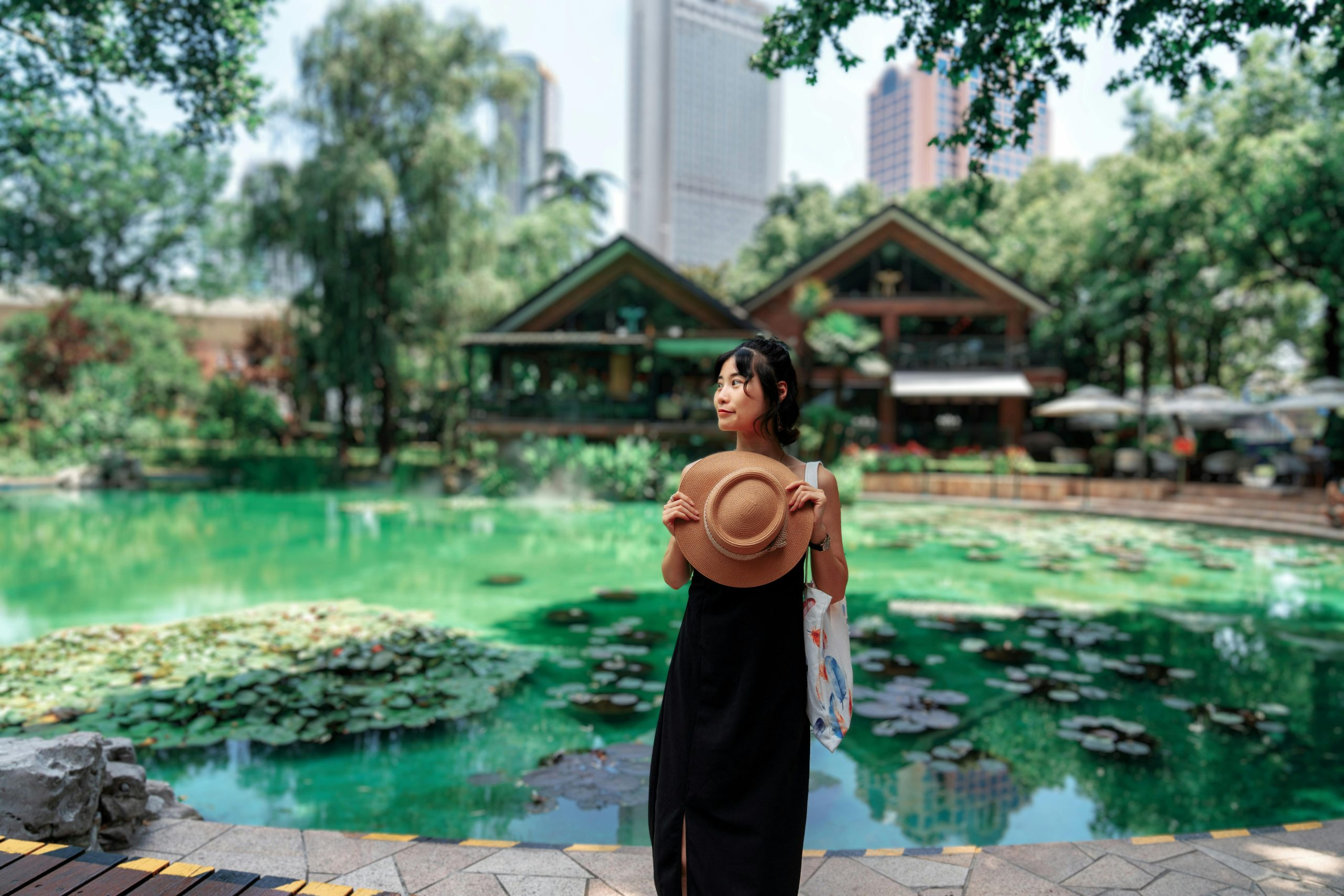
Category: Fashion

  • The Influence of Travel on Global Fashion Inspiration

    The Influence of Travel on Global Fashion Inspiration

    Travel has always been a major source of inspiration for various aspects of our lives, including the world of fashion. Exploring new cultures, customs, and traditions can ignite a spark of creativity and influence the way we dress. Fashion is a reflection of our identity and experiences, and what better way to expand our horizons than by traveling the world? From the vibrant colors of India to the minimalistic designs of Japan, the influence of travel on global fashion inspiration is undeniable. In this article, we will dive deeper into how travel shapes the fashion industry and its impact on trends, styles, and designs.

    The Evolution of Fashion Through Travel

    Traveling allows us to see the world in a different light. It exposes us to different cultures, environments, and perspectives, which in turn, influence our fashion choices. Historically, fashion has been heavily influenced by cultural exchange between countries. The Silk Road, for example, played a significant role in the spread and evolution of fashion, as it connected Europe and Asia through trade and travel.

    The rise of globalization has made traveling much more accessible, resulting in a fusion of styles and trends from different parts of the world. It has opened the door for designers, brands, and consumers to be inspired by diverse cultures and bring them to the forefront of the fashion industry.

    Travel-Inspired Collections

    Many fashion designers take inspiration from their travel experiences and translate them into their collections. Diane von Furstenberg’s iconic wrap dress was inspired by her trip to Italy, while Olivier Rousteing’s designs for Balmain are heavily influenced by his love for Paris and the diverse cultures he has encountered during his travels.

    Travel-inspired collections not only bring a unique perspective to fashion but also celebrate diversity and inclusivity. It creates a platform for designers to showcase the beauty of different cultures and challenge the notion of a one-size-fits-all fashion standard.

    The Influence of Colors and Textures

    Colors and textures are an integral part of fashion, and travel can have a profound impact on the use of these elements in designs. Different countries have different weather conditions, landscapes, and natural environments, resulting in a diverse range of colors and textures in traditional and contemporary clothing.

    For instance, the vibrant and bold colors of traditional African clothing have become increasingly popular in fashion, inspiring designers to incorporate more color into their collections. The intricate embroidery and textures of Indian fabrics have also influenced the fashion industry, making it a staple in many designer collections.

    The Rise of Sustainable Fashion

    Another aspect of the fashion industry that has been influenced by travel is sustainability. As travelers witness the impact of fast fashion on the environment, they are more likely to opt for sustainable and ethical fashion choices. This has led to the rise of eco-friendly and ethical brands that embrace traditional techniques and materials from different parts of the world.

    Furthermore, sustainable fashion also highlights the importance of preserving and celebrating cultural heritage and diversity. Many sustainable brands partner with artisans from different countries to create unique pieces, empowering local communities and promoting cultural exchange.

    The Impact on Beauty and Accessories

    Travel also has a significant influence on the beauty and accessories industry. The beauty industry, in particular, has drawn inspiration from traditional beauty practices from around the world. From Korean beauty routines to Moroccan argan oil, these beauty practices have become popular trends in the West.

    Accessories, such as jewelry and handbags, also showcase traditional designs and techniques from different countries. Handwoven bags from Bali, beaded jewelry from Africa, and leather goods from Argentina are just a few examples of how travel has impacted the accessories industry. This not only allows consumers to embrace different cultures but also supports local craftsmen and artisans.

    In Conclusion

    Travel has become a vital part of the fashion industry, shaping the way we dress and inspiring designers to create unique and diverse collections. It celebrates cultural exchange and challenges conventional beauty and fashion standards. As we continue to explore new destinations and cultures, the influence of travel on global fashion inspiration will continue to evolve, making the fashion industry a true reflection of our diverse world.

    So, the next time you embark on a journey, be open to being inspired, and who knows, it might just reflect in your fashion choices.
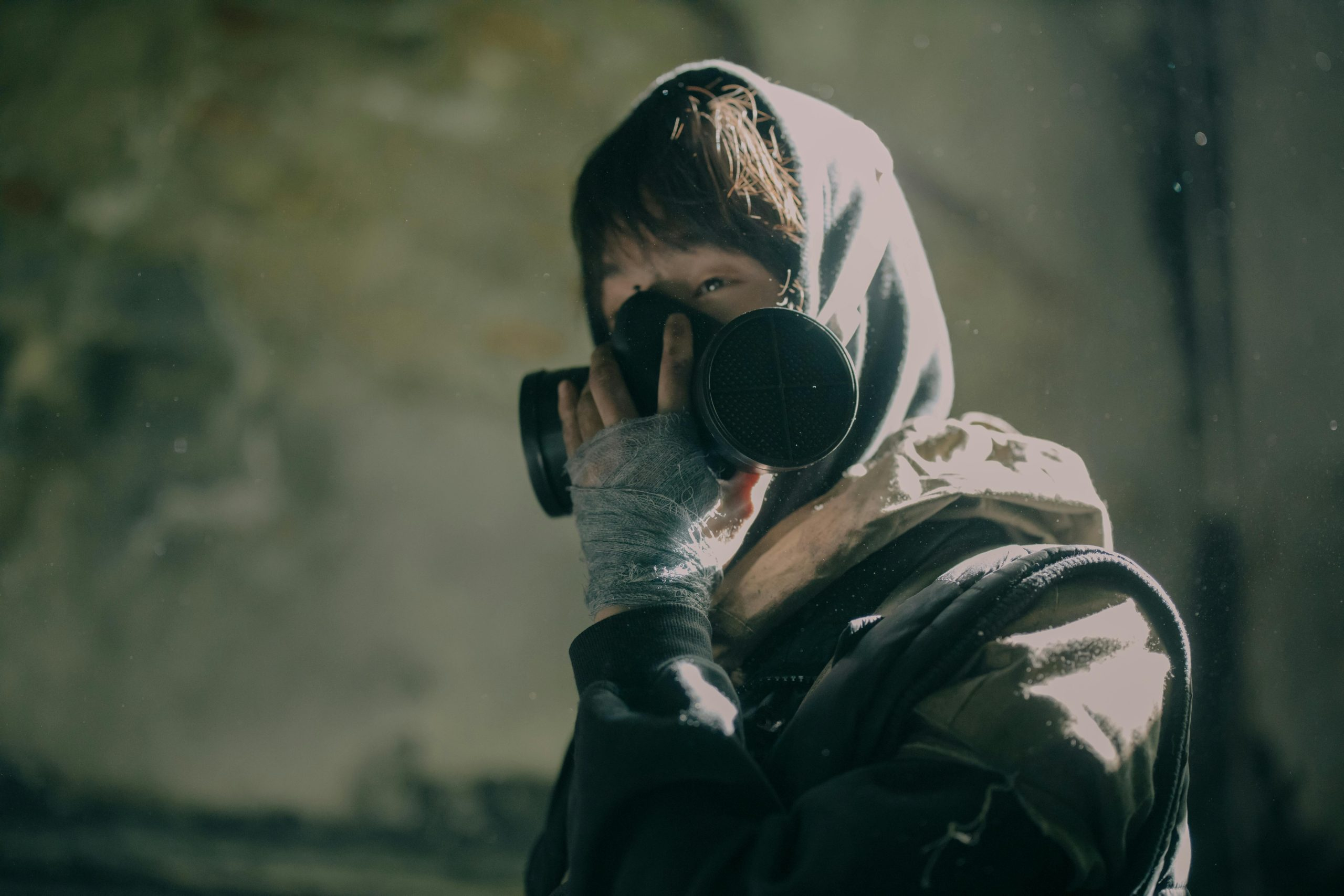
  • Exploring the Future of Digital Avatars in Fashion Shows

    Exploring the Future of Digital Avatars in Fashion Shows

    Fashion shows have long been a platform for designers to showcase their latest collections and trends. However, with the rise of technology and the increasing demand for virtual experiences, the future of fashion shows may look vastly different. One of the most captivating ideas currently gaining momentum is the use of digital avatars to represent fashion designs on the runway. This merging of fashion and technology has the potential to revolutionize the industry, creating a new way for designers to connect with their audience. Let’s explore the exciting possibilities of digital avatars in fashion shows and how they may shape the future of the industry.

    The Rise of Digital Avatars in Fashion

    Digital avatars have been around for years, but their use in fashion shows is a relatively new concept. It all started with virtual influencers, computer-generated models who have gained a massive following on social media. These digital influencers caught the attention of fashion brands, and soon their virtual personas were walking the runway, appearing in ad campaigns, and even collaborating with fashion designers. This phenomenon has opened up a whole new realm of possibilities, bringing fashion and technology closer than ever before.

    A Sustainable Solution

    One of the key benefits of using digital avatars in fashion shows is their sustainability. Traditional fashion shows require a significant amount of resources, from the production of clothing and set design to the travel and accommodation of models, designers, and attendees. By going digital, these shows can significantly reduce their carbon footprint, making a positive impact on the environment. Digital avatars also eliminate the need for physical samples, reducing waste and promoting a more sustainable fashion industry.

    Unlimited Creativity

    The use of digital avatars allows for endless creativity in fashion design. Designers are no longer constrained by the limitations of fabric and physical materials. With digital avatars, they can experiment with colors, patterns, and silhouettes that would be impossible to achieve in real life. This opens up a whole new world of imagination, where the only limit is the designer’s creativity.

    The Impact on the Fashion Industry

    The integration of digital avatars in fashion shows has far-reaching implications for the industry. It not only offers a solution to the challenges of sustainability and creativity but also presents new opportunities for fashion brands.

    A New Avenue for Brand Collaboration

    The use of digital avatars allows for collaboration between fashion brands and other industries, such as technology and gaming. We have already seen collaborations between fashion brands and video game franchises, creating virtual collections that can be worn in the game. This merging of industries has the potential to attract a new audience to the fashion world, bringing in a whole new customer base for brands to tap into.

    Virtual Shopping Experience

    Another exciting prospect of digital avatars in fashion shows is the potential for a virtual shopping experience. With the rise of virtual reality (VR) technology, customers can experience the fashion show from their homes, and with the use of avatars, they can even “try on” the clothes virtually. This could revolutionize the way we shop for clothes, making it a more immersive and interactive experience.

    The Future is Here

    The future of fashion shows is rapidly evolving, with digital avatars at the forefront of this transformation. While this technology is still in its early stages, its potential is undeniable. With sustainability and innovation becoming increasingly important in the fashion industry, we can expect to see more digital avatars on the runway and in advertising campaigns in the years to come.

    The Human Element

    While there are many benefits to using digital avatars in fashion shows, it is crucial to consider the human element. Fashion is a form of self-expression, and there is a certain connection that comes with seeing real models walk the runway. It is essential for the industry to find a balance between using digital avatars and maintaining the personal touch that humans bring to the fashion world.

    In conclusion, the future of digital avatars in fashion shows is an exciting prospect that has the potential to revolutionize the industry. From sustainability and innovation to new avenues for collaboration and virtual shopping experiences, the possibilities are endless. As technology continues to evolve, we can expect to see these digital avatars becoming an integral part of fashion shows, bringing a new dimension to the runway experience.

  • The Art of Accessorizing: Utilizing Jewelry and Scarves

    The Art of Accessorizing: Utilizing Jewelry and Scarves

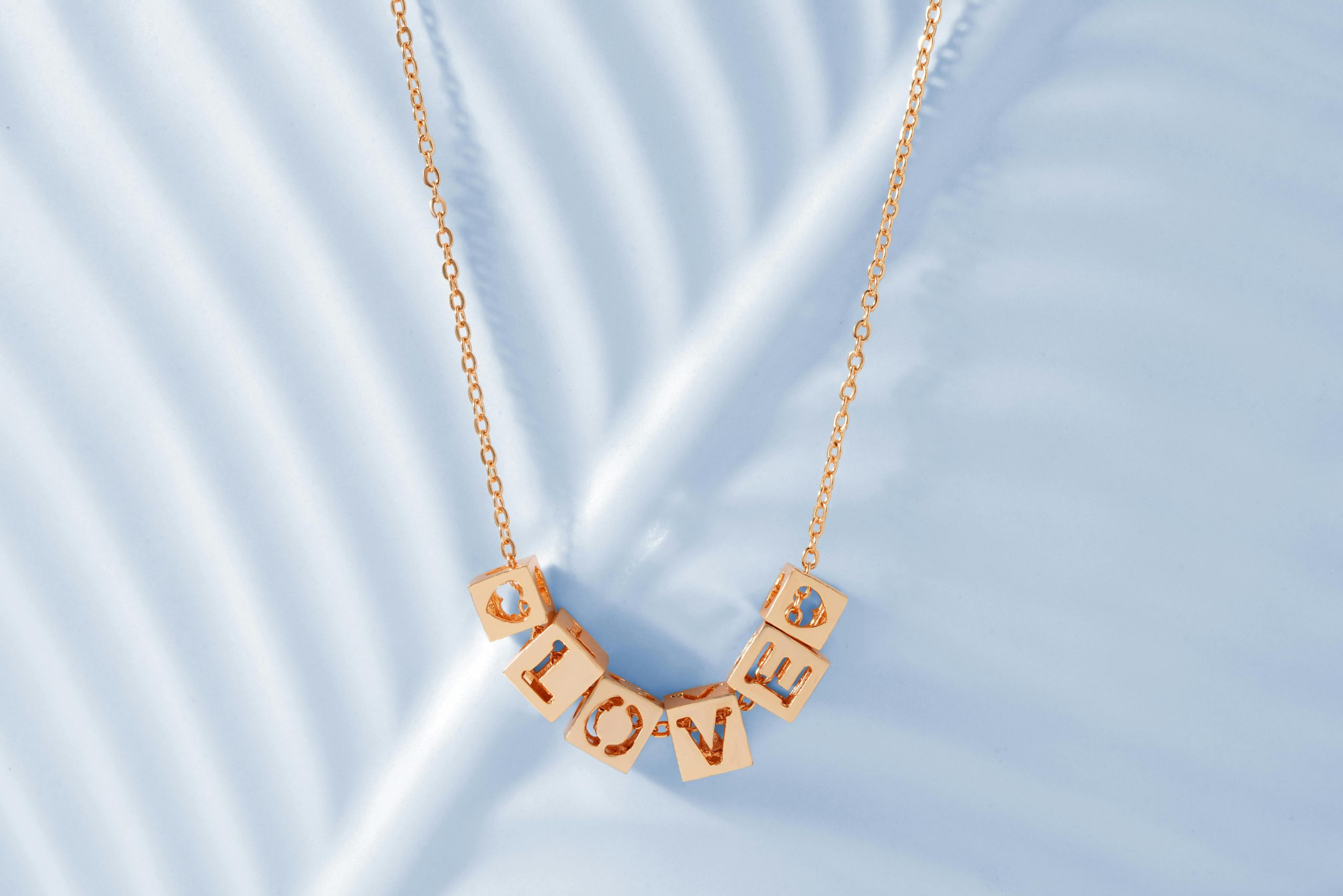
    Welcome to the world of fashion, where every outfit is a canvas waiting to be styled. While clothes are the base of any outfit, it’s the accessories that truly bring it to life. A simple piece of jewelry or a scarf has the power to transform a basic look into a fashion statement. The art of accessorizing is all about finding the right balance between complementing and enhancing an outfit. In this article, we will delve deeper into one of the most versatile and popular forms of accessories – jewelry and scarves. Let’s unlock the secrets of accessorizing with jewelry and scarves, and learn how to elevate your outfits with these stylish pieces.

    The Power of Jewelry

    When it comes to accessorizing, jewelry is a game-changer. Whether it’s delicate gold earrings or a chunky statement necklace, jewelry can elevate any outfit and add a touch of elegance. The key to accessorizing with jewelry is to keep it simple and not overpower your outfit. Let’s take a look at some tips on how to utilize jewelry to enhance your look:

    1. Layering is Key

    One of the biggest trends in jewelry is layering – stacking multiple pieces of jewelry together. It’s a great way to add depth and dimension to your outfit without overwhelming it. Experiment with layering different types of jewelry like stacking rings, bracelets, and necklaces for a stylish and unique look. However, make sure not to go overboard and keep the overall look cohesive and balanced.

    2. Match Your Metals

    Gone are the days when you had to stick to one type of metal. Mixing and matching different metals like gold, silver, and rose gold is perfectly acceptable and even encouraged in the fashion world. When layering, keep the metals consistent to avoid a clash and create a cohesive look. However, if you prefer a more subtle approach, stick to one metal and incorporate different textures and sizes to add interest.

    3. Dress Up a Casual Outfit

    Jewelry isn’t just for formal occasions. It can be the perfect way to dress up a casual outfit and add a touch of glamor. A pair of statement earrings or a chunky necklace can transform a simple jeans and t-shirt outfit into a chic ensemble. It’s all about finding the right balance between dressed-up and casual to create a stylish and effortless look.

    The Versatility of Scarves

    Scarves are one accessory that never goes out of style. They are not only functional but also add a touch of personality to any outfit. Scarves are available in a variety of fabrics, patterns, and styles, making them the perfect accessory for all occasions. Here are some tips on how to utilize scarves to elevate your look:

    1. Experiment with Different Styles

    Scarves are incredibly versatile and can be styled in numerous ways. From the classic European loop to the chic infinity style, the possibilities are endless. Don’t be afraid to experiment with different styles and find what works best for you. Knot it, wrap it, drape it – have fun and let your creativity flow.

    2. Use it as a Pop of Color

    If your outfit is lacking a pop of color, a scarf can be the perfect solution. Adding a brightly colored scarf or one with a bold print can instantly elevate your outfit and make a statement. Take a plain white shirt and jeans combo and add a vibrant scarf for a fun and stylish look.

    3. Layer for Added Warmth

    Scarves are a great way to keep warm during the colder months, but they can also be a stylish layering piece. Try layering a scarf over a blazer or a leather jacket for a trendy and cozy look. Don’t be afraid to play with textures and patterns to add interest to your outfit.

    The Final Touch

    Jewelry and scarves are essential accessories that can make or break an outfit. By following these tips, you can master the art of accessorizing and take your style game to the next level. Remember, when it comes to accessorizing, less is more. Stick to a few statement pieces and let them shine. So, don’t be afraid to amp up your outfits with some jewelry and scarves, and step out in style!

    Accessorizing is an art, and the key is to find a balance between too much and too little. With the right jewelry and scarves, you can add a touch of personality and elevate your outfits, making them truly your own. So next time you’re putting together an outfit, don’t forget to add that final touch of jewelry and scarves, and watch your style come to life.

  • How Supply Chain Management Optimizes Fashion Operations

    How Supply Chain Management Optimizes Fashion Operations

    The fashion industry is constantly evolving, with new trends emerging and consumer demands changing at a rapid pace. This fast-paced nature of the industry has made supply chain management an essential component for success in the fashion world. Supply chain management plays a crucial role in optimizing fashion operations and ensuring that products are delivered to customers in a timely and efficient manner. In this article, we will explore how supply chain management has become a key strategy for fashion brands and how it helps in streamlining operations and increasing profitability.

    What is Supply Chain Management?

    Supply chain management can be defined as the management of the flow of products, information, and finances from the point of origin to the point of consumption. In the fashion industry, this includes the entire process of creating and delivering a product, from sourcing raw materials to delivering the final product to the end consumer.

    The fashion industry is highly reliant on supply chain management as it involves multiple stages of production, including design, sourcing, manufacturing, and distribution. The efficiency and effectiveness of these processes can directly impact the success of a fashion brand.

    The Role of Supply Chain Management in Fashion

    Supply chain management has become a crucial strategy for fashion brands due to the following reasons:

    1. Meeting Customer Demands

    In the highly competitive fashion industry, it is essential to meet the ever-changing demands of customers. With the help of supply chain management, fashion brands can accurately forecast demand and plan production accordingly. This helps in avoiding overproduction or underproduction, which can lead to excess inventory or stock shortages, both of which can harm a brand’s profitability and reputation. By efficiently managing the supply chain, brands can ensure that products are available to customers when they want them.

    2. Cost Reduction

    The fashion industry is notorious for its high production costs, which can eat into a brand’s profits. Supply chain management helps in identifying areas where costs can be reduced without compromising on the quality of the product. By streamlining processes and eliminating inefficiencies, fashion brands can reduce their production costs, resulting in increased profitability.

    3. Quality Control

    Supply chain management also plays a crucial role in ensuring the quality of fashion products. With multiple stages of production, there is a higher chance of errors or defects in the final product. By implementing quality control measures throughout the supply chain, brands can ensure that their products meet the required standards and maintain a consistent level of quality.

    Supply Chain Management Strategies for Fashion Brands

    There are various strategies that fashion brands can employ to optimize their supply chain management and streamline their operations:

    1. Vertical Integration

    Vertical integration involves bringing different stages of production in-house, rather than depending on external suppliers. This strategy can help in reducing the time and costs involved in sourcing materials and manufacturing products. By owning the entire supply chain, brands can also have better control over the quality of their products.

    2. Collaborative Planning

    Collaborative planning involves sharing production and sales data with suppliers and partners to improve forecasting accuracy. By collaborating with suppliers and partners, brands can develop a better understanding of the market demand and adjust their production plans accordingly.

    3. Just-In-Time (JIT) Inventory Management

    JIT inventory management is a strategy where materials and products are ordered and delivered just in time for production or sale. This helps in eliminating excess inventory, reducing storage costs, and improving cash flow. However, it requires efficient communication and coordination with suppliers to ensure timely delivery of materials.

    Conclusion

    In today’s fast-paced fashion industry, supply chain management has become a crucial strategy for success. By implementing effective supply chain management techniques, fashion brands can meet customer demands, reduce costs, ensure quality control, and ultimately increase profitability. With the constantly changing consumer landscape, it is essential for fashion brands to have a well-managed and streamlined supply chain to stay competitive in the market.

  • The Shift Towards Customization and Made-to-Order Clothing

    The Shift Towards Customization and Made-to-Order Clothing

    There’s no denying that the fashion industry has undergone a major shift in recent years. Gone are the days of one-size-fits-all clothing and cookie-cutter fashion trends. Instead, a new movement towards customization and made-to-order clothing has been gaining momentum. This shift has not only revolutionized the way we shop and dress but it has also challenged traditional notions of beauty, individuality, and sustainability. In this article, we’ll take a closer look at this growing trend and explore its impact on the fashion industry and consumers alike.

    The Demand for Individuality

    In the past, fashion trends were dictated by the mass market. Designers would create collections with the aim of appealing to as many people as possible, resulting in a homogeneous and impersonal selection of clothing. However, with the rise of social media and the increased focus on self-expression, consumers are no longer content with simply blending in. They want to stand out and make a statement with their clothing choices. This is where customization and made-to-order clothing come into play.

    Personalization Is Key

    One of the main drivers of the shift towards customization and made-to-order clothing is the desire for personalization. Consumers want to feel like their clothing is unique and reflects their individual style and personality. With the option to personalize everything from fabric, color, fit, and design, consumers feel empowered and have a sense of ownership over their clothing. This also allows for a more intimate connection with the brand, fostering loyalty and repeat purchases.

    The Rise of Slow Fashion

    Aside from allowing individuals to express their personal style, customization and made-to-order clothing also aligns with the slow fashion movement. With fast fashion being one of the leading contributors to environmental damage, consumers are becoming more conscious of their shopping habits and the impact their choices have on the environment. Custom-made clothing reduces waste and eliminates the need for excessive production, making it a more sustainable option.

    A Shift Towards Inclusivity

    Another benefit of customization and made-to-order clothing is that it caters to a wider range of body types and sizes. By offering personalized options, brands are able to cater to a more diverse consumer base, promoting inclusivity and body positivity. This is especially important in an industry that has long been criticized for its narrow standards of beauty.

    The Impact on the Fashion Industry

    The shift towards customization and made-to-order clothing has not only changed the way consumers shop but it has also challenged the traditional structure of the fashion industry. With the focus now on personalization and individuality, there is less pressure to keep up with fast-paced fashion trends. This allows designers to have more creative freedom and prioritize quality and craftsmanship over quantity.

    The Future of Fashion

    The customization and made-to-order trend is not just a passing fad. As consumers become more conscious of the impact of their choices, the demand for personalized, sustainable, and inclusive fashion will only continue to grow. As a result, we can expect to see more and more brands adopting this model and revolutionizing the fashion industry as we know it.

    In Conclusion

    The shift towards customization and made-to-order clothing is not just a change in the way we dress, it’s a reflection of a larger cultural shift towards individuality, sustainability, and inclusivity. As consumers, we are no longer satisfied with simply fitting into the mass market, we want our voices to be heard and our choices to be reflected in our clothing. This trend not only empowers individuals but also challenges the traditional standards of an industry that has often been criticized for its lack of diversity. So whether you’re looking for a unique piece to add to your wardrobe or want to make a conscious fashion choice, customization and made-to-order clothing is definitely something to consider.

  • Understanding the Role of Photography in Fashion Campaigns

    Understanding the Role of Photography in Fashion Campaigns

    Fashion campaigns are a ubiquitous part of our daily lives – from flipping through glossy magazines to scrolling through our social media feeds, we are constantly bombarded with images of beautiful models wearing the latest designer clothing. But have you ever stopped to think about the role that photography plays in these campaigns? As it turns out, photography is an essential component of fashion campaigns and can make or break the success of a brand. In this article, we will explore the integral role of photography in fashion campaigns and why it is crucial for fashion brands to get it right.

    The Importance of Photography in Fashion Campaigns

    When it comes to fashion campaigns, the saying “a picture is worth a thousand words” could not be more true. A stunning photograph has the power to captivate, inspire, and ultimately, sell a product. Photography allows fashion brands to showcase their clothing in a way that conveys the brand’s aesthetic and message. It is a powerful form of visual communication that can make a lasting impact on consumers and influence their purchasing decisions.

    Moreover, photography has become increasingly important in today’s digital age. With the rise of e-commerce and social media, fashion brands are relying more and more on visual content to promote their products. In fact, according to a recent survey, 81% of consumers say that visual content, such as photos and videos, strongly influences their purchasing decisions.

    The Role of Photography in Conveying Brand Identity

    In the highly competitive world of fashion, it is crucial for brands to establish a strong identity that sets them apart from their competitors. Photography serves as a powerful tool for communicating a brand’s unique identity and aesthetic. Whether it’s through the use of specific lighting, composition, or models, photography can effectively convey a brand’s desired image and message.

    Take, for example, high-end fashion brand Chanel. The brand is known for its elegant and sophisticated aesthetic, and this is reflected in its fashion campaigns. Chanel’s photographs often feature muted color palettes, classic poses, and luxurious settings, all of which capture the essence of the brand and appeal to its target audience of affluent consumers.

    The Importance of Choosing the Right Photographer

    When it comes to fashion photography, the person behind the camera is just as important as the clothing being photographed. The photographer’s vision and style can greatly influence the outcome of a campaign and ultimately, the success of a brand.

    Many fashion brands choose to work with renowned photographers who have a distinct aesthetic that aligns with the brand’s image. For example, luxury brand Gucci has collaborated with photographer Glen Luchford for many of its campaigns, as his moody and cinematic style perfectly complements the brand’s edgy and glamorous image.

    Incorporating Photography Trends in Fashion Campaigns

    Fashion photography, like any other art form, is constantly evolving and adapting to current trends. It is important for fashion brands to stay up-to-date with these trends and incorporate them into their campaigns to stay relevant and appealing to consumers.

    One trend that has been gaining traction in recent years is the use of diverse models in fashion campaigns. In an effort to promote inclusivity and diversity, many brands are featuring models of all ages, sizes, and ethnicities in their photographs. This not only reflects the diversity of their customer base but also sends a powerful message to consumers about their brand values.

    In Conclusion

    In summary, photography plays a vital role in fashion campaigns by effectively conveying a brand’s identity, attracting and influencing consumers, and keeping up with current trends. It is a powerful and essential tool for fashion brands and can make a significant impact on their success. As technology continues to advance and the fashion industry evolves, it will be exciting to see how photography continues to shape and define fashion campaigns in the future.

  • Designing Adaptive Clothing for People with Disabilities

    Designing Adaptive Clothing for People with Disabilities

    Adaptive clothing refers to clothing specifically designed for people with disabilities or mobility limitations. As a society, we often take for granted our ability to easily put on and take off clothing, but for some individuals, getting dressed can be a daily challenge. That’s where adaptive clothing comes in – it offers solutions that make getting dressed easier and more comfortable for people with disabilities. In this article, we will delve into the world of designing adaptive clothing for people with disabilities and how it is changing the fashion industry for the better.

    Understanding the Need for Adaptive Clothing

    The design of traditional clothing is based on the average body shape and does not take into consideration the diverse body types and mobility limitations of people with disabilities. This can result in discomfort, difficulty in dressing, and limited self-expression for individuals with disabilities. Moreover, by not catering to this demographic, the fashion industry is missing out on a huge market opportunity.

    Adaptive clothing addresses these issues by incorporating features such as easy closures, adjustable fit, and additional functionality for people with disabilities. This makes the act of getting dressed and undressed much less challenging and more accessible for individuals with disabilities, allowing them to dress independently and with dignity.

    Designing for Functionality and Style

    Functional Features

    When it comes to designing adaptive clothing, functionality is key. This means incorporating features that make dressing easier for people with disabilities. Some common features include magnetic closures instead of buttons, Velcro or elastic waistbands, and zippers that can be pulled up or down with one hand. These features not only make it easier for people with disabilities to dress, but they also reduce the risk of injury and make clothing more comfortable to wear.

    Another important aspect of functionality is the adaptability of the clothing. As disabilities and mobility limitations can vary greatly from person to person, adaptive clothing should be flexible and adjustable to cater to individual needs. This could include features such as adjustable straps and waistbands, removable sleeves and pant legs, and interchangeable accessories.

    Stylish and Inclusive Designs

    When it comes to clothing for people with disabilities, style is often overlooked. Many companies focus solely on functionality, resulting in unappealing and generic designs. However, this is slowly changing with the rise of inclusive fashion – a movement that aims to make fashion accessible to people of all abilities and body types.

    Inclusive fashion not only focuses on making clothing functional but also strives to make it stylish and fashionable. Adaptive clothing can now be found in a wide range of sizes and styles, from casual wear to formal wear, making it more inclusive and empowering for people with disabilities to express themselves through their clothing.

    The Impact of Adaptive Clothing on the Fashion Industry

    Adaptive clothing has not only made dressing easier and more accessible for people with disabilities but has also had a significant impact on the fashion industry. With the rise of inclusive fashion, more and more mainstream brands are incorporating adaptive options in their collections. This has not only increased the availability of adaptive clothing but has also brought greater visibility to people with disabilities in the fashion industry.

    Moreover, the demand for adaptive clothing is on the rise, with the global adaptive clothing market projected to reach $403.8 million by 2026. This presents a huge opportunity for fashion brands to tap into this growing market and cater to the needs of people with disabilities.

    The Future of Adaptive Clothing

    As the demand for adaptive clothing continues to grow, it is clear that this is not just a passing trend. The fashion industry is slowly but surely becoming more inclusive, and people with disabilities are being represented in the world of fashion like never before. With advancements in technology and materials, the possibilities for adaptive clothing are endless, and we can expect to see even more innovative designs and styles in the future.

    In conclusion, designing adaptive clothing for people with disabilities is not just about making clothing accessible but also about promoting inclusivity and empowering individuals. With the demand for adaptive clothing on the rise and the fashion industry becoming more inclusive, we can look forward to a more diverse and inclusive future for fashion.

  • The Power of Textiles: Texture, Drape, and Visual Appeal

    The Power of Textiles: Texture, Drape, and Visual Appeal

    When we think of textiles, we often associate them with soft fabrics that make up our clothing and household items. However, textiles are much more than just simple materials used for practical purposes. In fact, they hold a powerful potential to enhance our visual appeal, evoke emotions, and add an element of luxury to our daily lives. Textiles offer three key components that are integral in creating a powerful impact – texture, drape, and visual appeal.

    The Power of Texture

    Texture refers to the physical surface of a fabric, and it plays a crucial role in the overall aesthetic of a textile. From smooth and silky to rough and coarse, the texture of a fabric can create a range of different tactile experiences. This not only adds depth and dimension to fabrics but also enhances their visual appeal. For example, a textured fabric like velvet is associated with luxury and sophistication, while a rougher texture may give off a more rustic and rugged feel.

    In addition, the texture of a fabric can also elevate its functionality. Textiles with a raised texture, such as terry cloth, are perfect for absorbent items like towels while fabrics with a smoother texture, like satin, are ideal for creating a sleek and elegant look in clothing.

    The Art of Drape

    One of the defining characteristics of textiles is their ability to drape. Drape refers to the way a fabric hangs and flows when draped over a surface or a person’s body. This property is influenced by factors such as the fabric weight, stiffness, and finish. A fabric with good drape can enhance the movement and silhouette of clothing, making it look more elegant and flattering.

    Moreover, drape can also add an element of drama and intrigue to interior design. Curtains with a good drape can add a touch of luxury to a room, while a heavy, stiff fabric provides a more formal and structured look. The way a fabric drapes also affects the way light reflects off it, adding to the visual appeal of the space.

    Visual Appeal: More Than Just Aesthetics

    Textiles have a powerful ability to create visual appeal, making them essential elements in both fashion and interior design. The colors, patterns, and textures of a fabric all contribute to its visual appeal, but it goes beyond just aesthetics. The design and use of textiles can evoke emotions and tell a story.

    For example, bright and bold patterns can evoke a sense of energy and vibrancy, while soft and neutral colors create a calming and soothing atmosphere. Textiles with traditional patterns may have cultural or historical significance, adding depth and richness to a space.

    The Impact of Sustainable Textiles

    In recent years, the textile industry has seen a significant shift towards sustainability, with many designers and consumers understanding the importance of using eco-friendly materials. Sustainable textiles also offer a unique visual appeal, with natural fabrics like organic cotton and linen adding a rustic and earthy element to designs. Textiles made from recycled materials can create a bold and innovative statement, showcasing the power of sustainable fashion and design.

    The Bottom Line

    The power of textiles goes far beyond practicality and functionality. Texture, drape, and visual appeal are all essential elements that contribute to the overall impact of a fabric. From fashion to interior design, textiles have the ability to tell a story, evoke emotions, and enhance our daily lives in ways that go unnoticed. With the rise of sustainable textiles, we can only imagine the exciting and powerful future of the textile industry.

  • Exploring the Influence of Historical Military Uniforms

    Exploring the Influence of Historical Military Uniforms

    As the saying goes, “clothes make the man.” This is especially true in the world of military history, where uniforms have played a significant role in shaping the image and identity of military forces throughout the ages. From ancient times to modern conflicts, the evolution of military uniforms has been intertwined with the evolution of warfare itself. In this article, we will explore the influence of historical military uniforms, understanding their purposes, functions, and impact on military history. So buckle up, because we’re about to dive into the fascinating world of military fashion.

    The Purpose of Military Uniforms

    The origins of military uniforms can be traced back to ancient civilizations such as the Romans, who standardized their soldiers’ attire to differentiate them from civilians and enemy forces. Military uniforms serve several purposes, the first being identification. In a chaotic battlefield, it is essential to be able to distinguish between friend and foe quickly. Hence, uniforms are designed with unique colors, symbols, and patterns to identify soldiers and their respective units, making coordination and communication easier.

    Another purpose of military uniforms is to instill a sense of unity and pride among soldiers. Donning a uniform signifies belonging to a particular group or organization, creating a sense of camaraderie and shared purpose. Uniforms also promote discipline and obedience, as it reinforces the idea of a soldier’s role and duties within the military hierarchy.

    The Evolution of Military Uniforms

    The evolution of military uniforms can be seen as a reflection of the evolution of warfare itself. As warfare tactics and technology changed throughout history, so did the design and functionality of military uniforms. Initially, uniforms were designed for practical purposes, such as protection from the elements and ease of movement. However, as warfare became more complex, uniforms began to serve more strategic purposes.

    Ancient and Medieval Times

    During ancient and medieval times, military uniforms were primarily based on practicality and functionality. Armies were often made up of conscripts, so uniforms were not standardized, and soldiers usually wore their own clothes. However, as militaries became more organized and professional, uniforms began to be standardized. For example, the Roman army had a well-defined uniform that included armor, shields, and helmets, making them easily identifiable on the battlefield. Similarly, during the Middle Ages, European knights wore a distinctive coat of arms over their armor to distinguish themselves and represent their noble lineage.

    19th and 20th Century

    The 19th and 20th centuries saw a significant shift in military tactics and technology, influencing the design of military uniforms. The advancement of firearms and artillery made it necessary for soldiers to wear uniforms that could withstand the intense heat and pressure of these weapons. Camouflage also became a crucial element in uniforms, as armies used tactics such as guerrilla warfare and trench warfare. The British army, for example, introduced khaki-colored uniforms to blend in with their environment, effectively disrupting the enemy’s line of sight.

    Another significant development during this period was the adoption of military uniforms by civilian organizations. This was the case during World War II, where paramilitary organizations such as the Red Cross, Women’s Land Army, and Civil Defense adopted specific uniforms to distinguish themselves from civilians and demonstrate their involvement in the war effort.

    The Impact of Military Uniforms on Society

    Military uniforms have not only influenced military history but also had a significant impact on society. The creation of uniforms gave rise to a fashion industry that catered specifically to military attire. As military uniforms became more fashionable, civilians began to incorporate elements of military fashion into their everyday clothing, such as trench coats and bomber jackets.

    Furthermore, military uniforms have also influenced the design of civilian uniforms, such as police and fire department uniforms. This is because military uniforms inspire a sense of discipline and authority, and organizations have adopted this to instill a sense of professionalism and respect.

    The Legacy of Military Uniforms

    The influence of military uniforms can still be seen today, as many modern armies still wear variations of their traditional uniforms. This not only reflects a sense of tradition and history but also serves as a reminder of the sacrifices and bravery of soldiers who have served in the past.

    In summary, military uniforms have played a crucial role in shaping and representing military history. While their functionality may have been the primary purpose, they have also influenced society and fashion. So the next time you see a soldier in uniform, remember that it is not just a piece of clothing, but a symbol of identity, unity, and sacrifice.

  • The Importance of Developing Strong Visual Merchandising

    The Importance of Developing Strong Visual Merchandising

    Visual merchandising is a vital aspect of any business, especially in the retail industry. It refers to the visual presentation of products and services, both in-store and online, with the aim of attracting customers and stimulating sales. In today’s digital age, where online shopping is becoming the preferred mode of retail therapy, having a strong visual merchandising strategy is more important than ever. In this article, we will delve deeper into the importance of developing strong visual merchandising and how it can benefit your business.

    Enhances Product Visibility and Brand Awareness

    One of the primary reasons why visual merchandising is crucial is that it enhances the visibility of your products and services. By displaying your products in an attractive and eye-catching manner, you can catch the attention of potential customers and pique their interest. This is particularly important in a competitive market where you need to stand out from the crowd and create a memorable brand image.

    Effective visual merchandising not only attracts visitors to your store or website but also creates a lasting impression in their minds. This, in turn, leads to increased brand awareness and recall, making customers more likely to choose your brand over others when making a purchase decision. By developing a consistent visual merchandising strategy, you can effectively communicate your brand personality and values to customers, helping you build a stronger relationship with them.

    Boosts Sales

    The ultimate goal of every business is to increase its sales and generate more revenue. Visual merchandising plays a crucial role in achieving this by enticing customers to make a purchase. A visually appealing display can capture the attention of potential customers and encourage them to browse through your products. It also helps them visualize the products in their lives and understand how they can solve their problems or fulfill their needs.

    In addition to attracting new customers, visual merchandising also has a significant impact on repeat buyers. When customers have a positive experience with your brand and enjoy the visual appeal of your products, they are more likely to come back for more. By creating a visually appealing and immersive shopping experience, you can encourage customers to spend more time in your store and increase the average order value.

    Creates a Memorable Shopping Experience

    In today’s fast-paced world, consumers are constantly bombarded with information, advertisements, and promotions. In such a scenario, it is essential to create a unique and memorable shopping experience that stands out in customers’ minds. Visual merchandising can help you achieve this by engaging your customers’ senses and creating an emotional connection with them.

    Through strategic use of elements such as color, lighting, and layout, you can create a shopping experience that appeals to customers’ emotions and influences their buying decisions. By incorporating creative and interactive displays, you can make shopping fun and exciting, leaving a lasting impression on your customers. This can not only help you retain existing customers but also attract new ones through word-of-mouth recommendations.

    Reflects Your Brand Image and Values

    Visual merchandising is an excellent way to communicate your brand image and values to your target audience. Your in-store displays, window displays, and online product images can convey a lot about your brand personality and aspirations. By aligning your visual merchandising with your brand values, you can build trust with your customers and foster a sense of loyalty among them.

    For instance, if your brand stands for sustainability and eco-friendliness, you can showcase this through your use of eco-friendly materials for product displays or through decorations made from recycled materials. This not only reflects your brand values but also appeals to customers who share the same values, helping you attract a specific target audience.

    Conclusion

    In today’s competitive business landscape, having a strong visual merchandising strategy is no longer a luxury, but a necessity. It can significantly impact your brand’s visibility, sales, customer loyalty, and overall success. By developing a consistent and creative visual merchandising plan, you can create a memorable shopping experience for your customers, increase your brand’s reach, and ultimately drive more sales. So, if you want to stay ahead of the curve and stand out in the market, make sure to pay attention to your visual merchandising efforts.

  • How Consumer Demand Drives Innovation in Sustainable Fabrics

    How Consumer Demand Drives Innovation in Sustainable Fabrics

    Consumer demand plays a crucial role in driving innovation in the fashion industry, especially when it comes to sustainable fabrics. As more and more consumers become conscious of the environmental impact of the fashion industry, there has been a growing demand for sustainable and eco-friendly fabrics. This demand has not only led to a shift towards more sustainable practices in the fashion industry but has also sparked a wave of innovation in the development and production of sustainable fabrics. In this article, we will take a closer look at how consumer demand drives innovation in sustainable fabrics and how this is shaping the future of the fashion industry.

    The Rise of Sustainable Fashion

    Over the years, the fashion industry has been heavily criticized for its negative impact on the environment. From the use of toxic chemicals in production to the enormous amount of waste generated, the fashion industry has a significant carbon footprint. This has led to a rise in consumer awareness and a growing demand for sustainable fashion.

    Sustainable fashion encompasses all aspects of the fashion industry, from the production of raw materials to the final garment. One of the most significant areas of focus in sustainable fashion is the use of sustainable fabrics. Consumers are now looking for fabrics that are not only environmentally friendly but also ethically produced. This has led to a surge in demand for sustainable fabrics and has created a market for innovative and sustainable solutions.

    The Role of Consumer Demand in Driving Innovation

    Consumer demand is a significant factor in driving innovation in any industry, and the fashion industry is no exception. As consumer demand for sustainable fabrics grows, brands and manufacturers are forced to come up with new and innovative solutions to meet this demand. This has led to a shift towards more sustainable practices in the production of fabrics and has opened up new avenues for innovation.

    One of the most significant innovations in sustainable fabrics has been the development of new and eco-friendly materials. Brands are now experimenting with different materials, such as bamboo, organic cotton, and recycled polyester, to create sustainable fabrics that have a lower environmental impact. This has also led to the development of new technologies and processes to produce these materials sustainably. For instance, in the production of recycled polyester, plastic bottles are melted down to create polyester fibers, reducing the need for virgin resources.

    Moreover, consumer demand has also led to improvements in existing sustainable fabrics. Companies are continuously working towards making their production processes more sustainable, reducing their carbon footprint and waste. This has led to advancements in dyeing techniques, such as using natural and organic dyes, and implementing sustainable practices in the production of fabrics like linen and hemp.

    The Impact of Consumer Education

    Another crucial factor in driving innovation in sustainable fabrics is consumer education. As consumers become more aware of the environmental impact of the fashion industry, they are also educating themselves on the different materials and production processes used in creating sustainable fabrics. This has led to a more educated consumer base that is demanding transparency and sustainability from brands.

    Brands are now under pressure to not only produce sustainable fabrics but also provide information about their production processes and the materials used. This has resulted in brands investing in research and development to find new and more sustainable solutions to meet consumer demands.

    The Future of Sustainable Fabrics

    The growing demand for sustainable fabrics is showing no signs of slowing down. Consumers are now more environmentally conscious than ever, and their demand for sustainable and eco-friendly fashion is only going to increase. This will continue to drive innovation in sustainable fabrics, leading to the development of new, more sustainable materials and techniques.

    Moreover, as consumers continue to educate themselves, they will also hold brands accountable for their sustainability goals and practices. As a result, brands will be forced to prioritize sustainability in all aspects of their business, from sourcing raw materials to their supply chain and production processes.

    In Conclusion

    In conclusion, consumer demand plays a crucial role in driving innovation in sustainable fabrics. With consumers becoming more environmentally conscious and conscious of their purchasing decisions, the demand for sustainable fashion is only going to increase. This, in turn, will lead to more innovative and sustainable solutions in the production of fabrics, shaping the future of the fashion industry. As consumers, we have the power to drive change by demanding sustainability from brands, and it is encouraging to see the fashion industry responding to this demand with innovation and progress in sustainable fabrics.

  • The Aesthetics of Androgyny in Contemporary Fashion Styles

    The Aesthetics of Androgyny in Contemporary Fashion Styles

    The fashion industry has long been a platform for self-expression and challenging societal norms. In recent years, there has been a growing trend towards androgynous fashion styles, blurring the lines between traditionally defined femininity and masculinity. Androgyny in fashion is not a new phenomenon, but its exploration and acceptance in contemporary society have become more prevalent than ever. This article will delve into the aesthetics of androgyny in modern fashion styles, exploring its roots, impact, and significance in the industry.

    The Origins of Androgynous Fashion

    The concept of androgyny in fashion can be traced back to the 1920s, with the emergence of the “flapper” style. These were women who challenged the societal norms of the time by embracing more masculine styles, such as shorter haircuts and looser, more comfortable clothing that allowed for greater freedom of movement.

    In the 1960s and 1970s, the counterculture movement sparked a surge of androgynous fashion, with figures like David Bowie and Freddie Mercury pushing the boundaries of traditional gender norms through their unapologetically gender-bending styles. This rebellious era saw the rise of unisex fashion and a shift towards gender-neutral clothing designs.

    The Impact of Androgynous Fashion on Contemporary Society

    Androgynous fashion has become increasingly popular in contemporary society, with many celebrities and designers embracing and showcasing gender-fluid styles. This erasure of gender boundaries has sparked important conversations about inclusivity, self-expression, and breaking free from restrictive societal norms.

    With the rise of social media, androgynous fashion has also become more accessible and visible, with individuals from all walks of life using fashion as a means of self-expression and empowerment. In turn, this has influenced the fashion industry, with many brands and designers incorporating androgynous elements into their collections, further blurring the lines between traditional masculine and feminine clothing.

    The Aesthetics of Androgynous Fashion

    Gender-Neutral Silhouettes and Tailoring

    The most distinct aesthetic element of androgynous fashion is the use of gender-neutral silhouettes and tailoring. These styles often feature oversized and boxy shapes, with a focus on clean lines and minimal detailing. This creates a sense of fluidity and allows for both males and females to wear the same styles without conforming to traditional gender norms.

    Neutral Color Palettes

    Neutral color palettes are also prevalent in androgynous fashion, with a focus on muted, earthy tones such as grey, beige, and black. This further emphasizes the gender-neutral aspect of these styles and allows for more versatility in mixing and matching different pieces.

    Playful Gender-Bending

    Another key aesthetic of androgynous fashion is the playful and creative approach to mixing traditionally masculine and feminine elements. For instance, a suit paired with heels or a flowy dress with chunky boots. This subverts traditional ideas of gender-specific clothing, creating a refreshing and unique aesthetic.

    The Significance of Androgyny in Contemporary Fashion Styles

    Androgynous fashion has become more than just a passing trend. It has become a powerful movement challenging societal norms and promoting inclusivity and self-expression. By blurring the lines between traditionally defined masculinity and femininity, androgynous fashion is breaking down barriers and opening up new possibilities for individuals to express themselves through clothing.

    In a world that is becoming increasingly diverse and accepting of different identities, androgynous fashion is a powerful symbol of progress and change. It promotes the idea that fashion has no gender, and self-expression should not be limited by societal expectations.

    In Conclusion

    The aesthetics of androgyny in contemporary fashion styles go far beyond just clothing choices. It is a statement about breaking free from restrictive societal norms and embracing the true diversity of human identity. Androgynous fashion has become a powerful force in the fashion industry, representing progress, inclusivity, and self-expression.
    The impact of this movement will continue to shape the fashion industry and society at large, paving the way for a more diverse and accepting world for generations to come.

  • Understanding the Business of Modeling Agencies and Talent

    Understanding the Business of Modeling Agencies and Talent

    When we think of the modeling industry, we often envision glamorous photoshoots, stunning fashion shows, and famous supermodels walking down the runway. However, behind all the glitz and glamour of the modeling world lies a complex and highly competitive business. Modeling agencies and talent play a crucial role in this industry, serving as the bridge between models and clients. In this article, we will take a closer look at the business of modeling agencies and talent, and understand the important role they play in shaping the fashion and entertainment industries.

    The Role of Modeling Agencies

    Modeling agencies are companies that represent models and provide them with opportunities for work in the modeling industry. These agencies act as intermediaries between models and their clients, such as fashion designers, magazines, advertising agencies, and photographers. The main role of modeling agencies is to find jobs for their models, negotiate contracts, and manage their careers.

    Types of Modeling Agencies

    Modeling agencies can be classified into different types based on the type of talent they represent:

    1. Fashion Agencies

    These agencies mainly represent high-end fashion models for runway shows, editorials, and other fashion-related work. They have close relationships with top fashion designers and brands, making it easier for them to secure high-paying jobs for their models.

    2. Commercial Agencies

    Commercial agencies focus on models for print ads, commercials, and other commercial work. These agencies represent a wide range of models, from kids and teens to adults of all ages, sizes, and ethnicities.

    3. Talent Agencies

    Talent agencies represent models who also have acting abilities, making them suitable for TV and film projects as well. These agencies have contacts in both the modeling and entertainment industries, giving their models a chance to work in various fields.

    Understanding the Business of Talent

    In contrast to modeling agencies that represent models, talent agencies represent actors, singers, dancers, and other performers. However, some talent agencies also have a modeling division, and represent models who have acting abilities. Just like modeling agencies, talent agencies also play a vital role in shaping the entertainment industry.

    The Process of Talent Booking

    When a casting call is released, talent agents submit their clients for consideration. The casting director then selects the ones they want to audition or interview. If the client gets the job, the talent agent negotiates the contract and handles all the paperwork. The agent also takes a percentage of the client’s earnings as commission for their services.

    The Rewards and Challenges of the Modeling and Talent Business

    The modeling and talent business can be lucrative for both agencies and their clients. Agencies typically earn a commission of around 10-20% from their models’ earnings, which can be significant depending on the model’s success. For models and performers, the rewards can be even greater, with top models earning millions of dollars per year.

    However, the industry is not without its challenges. With fierce competition and high industry standards, it can be difficult for models and talent to stand out and land jobs. Additionally, there are also issues such as unfair payment practices, body image pressures, and a lack of diversity in the industry that need to be addressed.

    In Conclusion

    The modeling and talent business is a complex and constantly evolving industry. Modeling agencies and talent play a crucial role in shaping the industry and opening up opportunities for models and performers. However, it is important to also address the challenges and strive towards a more inclusive and fair industry for all involved.

  • Designing Sustainable Packaging for Fashion Products Effectively

    Designing Sustainable Packaging for Fashion Products Effectively

    In the world of fashion, design is key. From the clothes we wear to the accessories we choose, every detail is carefully crafted to create the perfect look. But in recent years, there has been a shift towards not only creating aesthetically pleasing fashion products, but also ensuring they are sustainable and environmentally friendly. And one important aspect of achieving sustainability in the fashion industry is through the design of packaging. In this article, we will explore the importance of designing sustainable packaging for fashion products effectively.

    The Impact of Packaging on the Environment

    Packaging plays a crucial role in the fashion industry. It is not only used to protect and transport products, but also serves as a marketing tool to attract consumers. However, the rise of fast fashion and e-commerce has led to a significant increase in the amount of packaging waste that is generated. According to the Environmental Protection Agency, packaging makes up more than 30% of all municipal solid waste in the United States. This has a significant impact on the environment, from the depletion of natural resources to the pollution of land and water bodies.

    The Need for Sustainable Packaging

    With the fashion industry being one of the top contributors to pollution and waste, there is a pressing need for sustainable packaging solutions. Sustainable packaging is designed to minimize its impact on the environment throughout its entire lifecycle. This includes using materials that are renewable, recyclable, and biodegradable, as well as reducing the overall amount of packaging used.

    Moreover, consumers are becoming more environmentally conscious and are actively seeking out sustainable fashion brands. A survey by Nielsen found that 73% of global consumers are willing to change their consumption habits to help reduce their environmental impact. This presents an opportunity for fashion brands to differentiate themselves and attract environmentally conscious consumers by implementing sustainable packaging practices.

    Effective Design Strategies for Sustainable Packaging

    Designing sustainable packaging for fashion products can be a challenging task, as it must not only be eco-friendly, but also functional and visually appealing. Here are some effective design strategies to consider:

    1. Use Recyclable or Biodegradable Materials

    The choice of materials used in packaging has a significant impact on its sustainability. Opt for materials that are easily recyclable, such as paper, cardboard, and glass. Even better, choose biodegradable materials that can break down naturally, such as plant-based plastics or compostable packaging.

    2. Minimize Packaging Material and Size

    Reducing the overall amount of packaging used can significantly decrease its environmental impact. Consider using packaging designs that require less material, such as minimalistic boxes or bags. Additionally, reducing the size of packaging can lead to fewer resources being used in production and transportation, ultimately reducing carbon emissions.

    3. Incorporate Sustainable Design Elements

    In addition to using sustainable materials, consider incorporating sustainable design elements into the packaging. This can include using renewable energy to power production facilities, using natural dyes for printing, or designing packaging that can be repurposed by the consumer.

    4. Educate Consumers on Sustainable Packaging

    Part of creating effective sustainable packaging is educating consumers on its importance. Use packaging as a platform to inform and educate consumers on the environmental benefits of choosing sustainable packaging, and the proper ways to dispose of it. This can lead to increased awareness and a positive brand image for your company.

    The Road to a Sustainable Fashion Industry

    Designing sustainable packaging is just one aspect of creating a more sustainable fashion industry. Brands must also consider sustainable production practices, ethical sourcing of materials, and promoting a circular economy. However, by implementing effective sustainable packaging design strategies, fashion brands can make a significant impact on reducing their environmental footprint.

    In conclusion, the fashion industry plays a significant role in contributing to the global waste crisis. By prioritizing the design of sustainable packaging, fashion brands can make a positive impact on the environment and meet the demands of environmentally conscious consumers. Let us work towards a future where fashion and sustainability go hand in hand, creating a more environmentally friendly and conscious industry.

  • The Global Impact of African Textiles and Print Designs

    The Global Impact of African Textiles and Print Designs

    African textiles and print designs have been captivating audiences around the world for centuries. From the vibrant colors and intricate patterns to the rich history and cultural significance woven into every piece, these textiles have left a lasting impact on the global fashion and design industry. In this article, we will explore the incredible journey of African textiles and print designs, from their origins in ancient civilizations to their modern-day influence on the global stage.

    The History of African Textiles

    Ancient civilizations in Africa, such as Egypt, Ethiopia, and Nubia, were known for their exquisite textiles. From the fine linen garments of the pharaohs to the colorful kente cloths of West Africa, textiles played a significant role in both daily life and religious ceremonies. The art of weaving was perfected, and patterns were created using natural dyes made from plants and minerals found in the African landscape.

    Over time, trade routes were established, and African textiles began to spread to other regions of the world, influencing the designs and techniques of other cultures. The intricate patterns and vibrant colors of African textiles were popular among merchants and traders, who brought them to Europe and Asia. The demand for these textiles continued to grow, solidifying their place as a global commodity.

    The Influence of African Textiles in Fashion and Design

    Throughout history, African textiles have been a source of inspiration for designers and artists. In the 20th century, African-American artists, such as Romare Bearden and Faith Ringgold, incorporated textile elements into their artwork, celebrating their heritage and the beauty of African textiles.

    In the fashion world, designers like Yves Saint Laurent and Christian Dior were drawn to the bold patterns and colors of African textiles, incorporating them into their collections. Today, top fashion houses and brands, such as Burberry, Louis Vuitton, and Stella McCartney, continue to draw inspiration from African textile designs, showcasing them on runways around the world.

    But it’s not just high fashion that has been influenced by African textiles. From home decor to accessories, the global market for African-inspired designs has grown exponentially. In recent years, African designers have gained recognition and partnerships with international brands, bringing African-inspired designs to the mainstream market.

    The Impact of African Textile Production on Local Communities

    The production of African textiles and print designs has a significant impact on the local communities where they are created. In many African countries, textile production is a vital source of income for families and communities. The traditional techniques and methods used to create these textiles have been passed down for generations, making it a part of the cultural heritage and identity of these communities.

    In addition to providing employment opportunities, the textile industry in Africa also supports sustainability initiatives. Many of the natural dyes and materials used in textile production are locally sourced, reducing the carbon footprint and supporting a more eco-friendly production process.

    The Future of African Textile and Print Designs

    The global impact of African textiles and prints continues to grow, with more and more people embracing the beauty and uniqueness of these designs. As more fashion and design brands incorporate African-inspired elements into their collections, there is a growing demand for authentic and ethically sourced African textiles.

    In response to this demand, there has been a resurgence of traditional textile techniques, such as batik and mudcloth, in Africa. This has not only preserved the cultural heritage of these techniques but has also created economic opportunities for local communities.

    In Conclusion

    African textiles and print designs have come a long way, from their humble beginnings in ancient civilizations to their global recognition and influence today. By incorporating traditional techniques, celebrating cultural heritage, and supporting local communities, the impact of African textiles goes far beyond fashion and design. They are a symbol of resilience, creativity, and the enduring beauty of African culture.

  • How Virtual Reality Is Transforming Fashion Design Workflow

    How Virtual Reality Is Transforming Fashion Design Workflow

    The world of fashion is constantly evolving, and with the rise of technology, it’s now entering a new era – the era of virtual reality (VR). Virtual reality has significantly impacted the way fashion designers work, allowing them to bring their ideas to life in a whole new way. This innovative technology is transforming the traditional fashion design workflow, making it more efficient, cost-effective, and creative. In this article, we’ll explore how virtual reality is revolutionizing the fashion industry and revolutionizing the way fashion designers work.

    The Rise of Virtual Reality in Fashion Design

    Virtual reality technology has been around for decades, but only in the past few years has it seen a major resurgence and adoption in industries like fashion. For those unfamiliar, virtual reality is an immersive technology that allows users to experience a digital world through a headset or other device. With the help of powerful software and hardware, designers can create 3D models of their designs and view them in a virtual environment, giving them a more realistic and detailed representation of their ideas.

    While virtual reality has been used primarily in the gaming and entertainment industries, its potential in fashion design has been recognized by many major fashion brands. In fact, top fashion houses like Dior, Prada, and Louis Vuitton have already integrated virtual reality into their design process, showcasing its potential to enhance the fashion industry as a whole.

    Streamlining the Design Workflow

    Traditionally, fashion designers have relied on physical sketches, fabrics, and mannequins to bring their designs to life. This process is not only time-consuming but also costly, as materials and prototypes need to be purchased. With virtual reality, designers can create 3D models of their designs in a virtual environment, allowing them to see how the fabric drapes, how the colors look, and how the garment will move on a virtual model. This eliminates the need for physical prototypes and saves both time and money.

    Moreover, since virtual reality allows designers to visualize their designs in a more realistic manner, they can make changes and adjustments in real-time. This helps them to perfect their designs and make better-informed decisions, leading to a more efficient design workflow.

    Collaborating in a Virtual Space

    Another major benefit of virtual reality in fashion design is the ability to collaborate with other team members in a virtual space. With traditional methods, designers would have to physically be in the same room to collaborate, which can be both time-consuming and impractical, especially when working with team members in different locations. However, with virtual reality, team members can collaborate in a shared virtual space, regardless of their physical locations. This not only saves time but also allows for better collaboration and communication between team members, resulting in more innovative and cohesive designs.

    Enhancing the Design Experience

    Virtual reality is not only reshaping the design workflow but also enhancing the overall design experience. With this technology, designers can create virtual fashion shows, allowing customers and industry professionals to experience their designs in a whole new way. From attending shows virtually, to trying on virtual garments, virtual reality is changing the way fashion is presented and experienced. This immersive experience not only adds an element of excitement but also gives designers the opportunity to showcase their designs in a more dynamic and interactive manner.

    The Future of Fashion Design

    The potential of virtual reality in fashion design is limitless. As the technology continues to advance, we can expect to see even more innovative applications of virtual reality in the fashion industry. It has the potential to revolutionize the way we design, create, and experience fashion, making it more accessible and inclusive for both designers and customers alike.

    In conclusion,

    Virtual reality has not only transformed fashion design but also opened up a world of possibilities for designers to unleash their creativity. With its ability to streamline the design workflow, facilitate collaboration, and enhance the design experience, there’s no doubt that virtual reality is here to stay in the fashion industry. As designers continue to explore and integrate this technology into their work, we can expect to see a whole new world of fashion emerge before our eyes.

  • The Role of Fashion Museums in Preserving and Educating

    The Role of Fashion Museums in Preserving and Educating

    In today’s digital age, fashion has become a part of our daily lives. From scrolling through fashion blogs and following influencers on social media, to attending runway shows and shopping at high-end boutiques, we constantly consume and admire different styles and trends. But have you ever stopped to think about the history behind these fashion trends and where it all began? This is where fashion museums come into play, as they play a crucial role in preserving and educating us about the evolution of fashion.

    The Beginning of Fashion Museums

    Fashion museums have been around for centuries, with the first one being established in Paris in the mid-19th century. This museum, known as the Musée des Arts Décoratifs, aimed to showcase the cultural and historical significance of fashion and textiles. It wasn’t until the 20th century, however, that fashion museums gained more recognition and began to pop up all over the world. Today, major fashion cities such as New York, London, and Milan have their own renowned museums dedicated solely to fashion.

    Preserving Fashion History

    One of the main roles of fashion museums is to preserve and conserve the history of fashion. By collecting and storing a variety of clothing and accessories, these museums are able to document the evolution of fashion and showcase it to the public. This not only allows us to appreciate the craftsmanship and design of past styles, but it also helps us understand the cultural, political, and social influences that shaped these fashion movements.

    Fashion museums not only preserve high-end designer pieces, but they also collect and display everyday clothing worn by people from different eras. This gives us a glimpse into the daily lives of our ancestors and how they expressed themselves through fashion. For example, the Victoria and Albert Museum in London has a collection of over 75,000 pieces of clothing and accessories, ranging from the 17th century to modern-day fashion.

    Educating the Public

    Aside from preserving fashion history, fashion museums also play a crucial role in educating the public about the industry. Through exhibitions, workshops, and lectures, these museums offer a deeper understanding of fashion and its impact on society. They also highlight the work of influential designers and showcase their contributions to the fashion industry.

    Moreover, fashion museums also educate the public about sustainability and ethical practices in the fashion industry. With fast fashion being a major concern in today’s society, these museums shed light on the damaging effects it has on the environment and the importance of supporting ethical and sustainable fashion brands.

    The Impact of Fashion Museums

    The role of fashion museums goes beyond preserving and educating – it also has a significant impact on the fashion industry. By showcasing the evolution of fashion, these museums serve as a source of inspiration for designers and fashion students. They also provide a platform for emerging designers to showcase their work and gain recognition.

    Furthermore, fashion museums also attract tourists and contribute to the economy of their respective cities. According to the Council of Fashion Designers of America, fashion-related travel makes up 5% of the global tourism market, generating $1.4 trillion annually.

    In Conclusion

    Fashion museums play a crucial role in preserving and educating us about the evolution of fashion. From showcasing historical pieces and educating us about the industry to having a significant impact on the fashion world, these museums are essential in keeping the history of fashion alive. So, the next time you visit a fashion museum, take a moment to appreciate the wealth of knowledge and inspiration it has to offer.

  • Understanding the Ethical Use of Materials Like Leather

    Understanding the Ethical Use of Materials Like Leather

    The use of leather has been a topic of debate for many years, with some arguing that it is a necessary material for clothing, accessories, and furnishings, while others view it as unethical due to animal rights concerns. But the truth is, leather production is not always a black and white issue. In fact, there are ways to use leather ethically and responsibly. In this article, we’ll explore the different aspects of leather production and its ethical considerations, so you can make informed decisions as a consumer.

    Understanding the Leather Industry

    Leather is a material made from the skin of various animals, most commonly cattle, but also from sheep, goats, pigs, and exotic animals like crocodiles and snakes. It has been used for centuries for its durability and flexibility, making it suitable for a wide range of products.

    The leather industry is a multibillion-dollar business, with the demand for leather products continuously on the rise. However, the production of leather involves several stages, from sourcing the raw materials to tanning and finishing the leather, which has a significant impact on the environment and animals.

    Raw Material Sourcing and Animal Welfare

    The first step in leather production is acquiring the raw materials, which in this case, are animal skins. While some leather comes from animals raised specifically for this purpose, a significant portion comes from the by-products of the meat industry. However, concerns have been raised about the welfare of these animals, particularly in countries with lax animal welfare laws. Cows, in particular, can endure extreme conditions and are often transported long distances before being slaughtered for their skins.

    To ensure ethical sourcing of leather, it’s important to look for brands that follow strict animal welfare standards. This includes sourcing from animals raised in humane conditions, avoiding the use of live animals for skinning, and adhering to industry regulations for the treatment of animals. Brands should also be transparent about their sourcing practices and provide clear information on their website or product labels.

    Tanning Process and Environmental Impact

    The tanning process is where the animal skin is preserved and transformed into usable leather. There are two types of tanning: vegetable tanning, which uses natural materials like tree bark and roots, and chrome tanning, which uses chemicals like chromium salts. While both methods result in a durable and pliable material, chrome tanning is the more popular choice due to its efficiency and cost-effectiveness.

    However, the use of chemicals in chrome tanning has significant environmental consequences. These chemicals can pollute water sources and harm both the environment and the health of workers in tanneries. On the other hand, vegetable tanning is considered more eco-friendly, but it is a slower and more expensive process. Some companies have also started using innovative methods, such as biodegradable tanning agents, to reduce the environmental impact of leather production.

    Sustainable Alternatives

    If you’re looking for a more ethical and sustainable alternative to traditional leather, there are some options available. For example, some brands offer vegan leather, which is a synthetic material made from plant-based materials or recycled plastics. While vegan leather may not have the same durability as genuine leather, it is a cruelty-free and eco-friendly option.

    Another sustainable option is to opt for second-hand or vintage leather products. By purchasing pre-owned leather items, you’re not contributing to the demand for new leather, which can help reduce the environmental impact of the industry.

    The Bottom Line

    The ethical use of materials like leather may seem like a daunting task, but it’s not impossible. By being informed and aware of the different aspects of leather production, you can make conscious decisions as a consumer. Remember to support brands that prioritize animal welfare and sustainability, and consider alternatives if necessary. Together, we can make a difference and promote ethical practices in the leather industry.

    Do your research, ask questions, and make informed choices. Let’s move towards a more ethical and sustainable future for the use of materials like leather.

  • The Future of Sizing: Standardization and Custom Fit Solutions

    The Future of Sizing: Standardization and Custom Fit Solutions

    As technology continues to advance and consumer preferences evolve, the fashion industry has been forced to adapt and innovate in order to keep up. One area that has undergone significant changes in recent years is sizing. Gone are the days of a one-size-fits-all approach; consumers now expect a more personalized and accurate fit when it comes to their clothing. In response to this demand, the future of sizing is headed towards a combination of standardization and custom fit solutions. In this article, we will explore the growing trend of standardization and custom fit solutions in the fashion industry and how it will shape the future of sizing.

    The Rise of Standardization

    Standardization in sizing refers to the use of consistent measurements across brands and retailers to determine clothing sizes. This means that a size medium from one brand should fit the same as a medium from another brand. Although this may seem like a no-brainer, the reality is that clothing sizes can vary greatly between brands, causing confusion and frustration for consumers.

    The Problem with Inconsistent Sizing

    For far too long, consumers have been subjected to the frustration of shopping for clothing that does not fit properly. This is especially true for online shopping, where trying on the clothing is not possible. Inconsistent sizing leaves customers unsure of which size to purchase, leading to the hassle of returns and exchanges. It also perpetuates the harmful idea that there is a “standard” body type and anything outside of that is not “normal” or accepted.

    Moreover, inconsistent sizing has a negative impact on the environment. With an estimated 92 million tons of textile waste generated each year, returns and exchanges due to ill-fitting clothing only add to this problem. By implementing standardized sizing, the fashion industry can significantly reduce the amount of textile waste produced, benefiting both the environment and consumers.

    The Solution: Standardized Sizing Guidelines

    To address the issue of inconsistent sizing, organizations such as ASTM International and the International Organization for Standardization (ISO) have developed guidelines for standardized sizing. These guidelines take into account factors such as body measurements, fit models, and consumer feedback to establish a set of measurements for each clothing size.

    For example, the ASTM International standard for women’s body measurements includes 20 different measurements, taking into account variations in body types and proportions. This ensures that sizing is not only consistent across brands, but it also caters to a diverse range of body shapes and sizes.

    The Rise of Custom Fit Solutions

    While standardization has its benefits, it does not account for the fact that every body is unique. This is where custom fit solutions come into play. Custom fit solutions utilize technology and data to provide individualized sizing recommendations for each customer.

    Technology and Data-Driven Sizing

    With the rise of e-commerce and direct-to-consumer brands, technology has become an essential tool in providing custom fit solutions. From 3D body scanners to virtual fitting rooms, advancements in technology have made it possible to obtain accurate body measurements without the need for a traditional in-store measuring tape.

    But it’s not just about gathering data. With the use of machine learning and algorithms, brands are now able to analyze body measurements and tailor their sizing recommendations to each individual customer. This not only leads to more accurate sizing but also creates a more personalized shopping experience for the customer.

    Benefits of Custom Fit Solutions

    The benefits of custom fit solutions extend beyond just providing accurate sizing. By catering to individual body types, these solutions also promote inclusivity in the fashion industry. Being able to find clothing that fits well and flatters their body can boost a customer’s confidence and increase brand loyalty.

    In addition, custom fit solutions can reduce the environmental impact of fashion by minimizing the number of returns and exchanges due to ill-fitting clothing.

    The Future is a Combination of Standardization and Custom Fit Solutions

    While standardization and custom fit solutions may seem like opposing solutions, the future of sizing lies in a combination of both. Standardization provides a baseline for consistent sizing across brands, while custom fit solutions cater to the individual needs of consumers. By using a combination of the two, the fashion industry can achieve a balance between accuracy and personalization in sizing.

    Moreover, the incorporation of these solutions can result in a more sustainable and inclusive fashion industry. With technology evolving at a rapid pace, it is only a matter of time before standardized sizing and custom fit solutions become the norm.

    In Conclusion

    The future of sizing is an exciting one, with a focus on both standardization and custom fit solutions. By implementing standardized sizing guidelines and utilizing technology and data, the fashion industry can provide accurate and personalized sizing options for customers. This not only leads to happier customers but also has a positive impact on the environment and promotes inclusivity in the industry. So, as we move towards the future, we can expect to see a more diverse and personalized approach to sizing in the fashion world.

  • Exploring the Influence of Sportswear on Casual Dressing

    Exploring the Influence of Sportswear on Casual Dressing

    Sportswear has become a staple in today’s fashion world, not just for athletes and gym-goers, but for everyday wear. From the rise of athleisure to the popularity of sneakers as a street style essential, sportswear has undoubtedly made its mark on casual dressing. It has not only changed the way we dress but also influenced the entire fashion industry. In this article, we will explore the influence of sportswear on casual dressing and how it has become a significant trend in the world of fashion.

    The Evolution of Sportswear

    The trend of incorporating sportswear into everyday dressing has been around for a while now. However, it has drastically evolved over the years. In the past, sportswear was primarily associated with functionality and performance, and fashion was not a significant factor. But with the rise of fitness culture and the desire for comfort and convenience, sportswear has shifted from being solely functional to becoming fashionable.

    The 1980s and 1990s saw the rise of iconic sportswear brands such as Nike, Adidas, and Reebok, who started incorporating fashion elements into their designs. This not only made sportswear more appealing but also blurring the lines between athletic wear and casual wear. Today, thanks to social media and the influence of celebrities and influencers, sportswear has become a status symbol in the fashion world.

    The Rise of Athleisure

    Athleisure is a term that was coined to describe the trend of wearing activewear as everyday casual wear. It has become a massive part of the fashion industry, and many high-end designers, such as Alexander Wang and Stella McCartney, have added their own twist to it. What was once seen as workout wear has now become acceptable to wear out in public, whether it be to run errands or even to social events.

    The rise of athleisure was triggered by the increased focus on health and fitness. People today are more conscious about living a healthy lifestyle, which has led to an increase in demand for comfortable and functional clothing. Athleisure offers just that, making it the perfect choice for those who want to look stylish while staying active.

    The Influence of Sneakers

    When it comes to casual dressing, sneakers play a significant role. They have become a fashion staple and are no longer limited to just the gym or the basketball court. Sneakers are now incorporated into everyday outfits, from dresses to suits. This trend has been greatly influenced by the sportswear industry, with sneaker collaborations and limited edition releases becoming highly sought after.

    Furthermore, sneakers are no longer seen as just a fashion statement but have also become a symbol of status. Exclusive and limited edition sneakers can go for thousands of dollars, making it a luxury item for some. This influence from sportswear has brought about a shift in the perception of casual dressing, where sneakers are now considered acceptable and even desirable in high-end settings.

    The Impact on Traditional Fashion

    The influence of sportswear on casual dressing has not only affected how we dress but has also had a significant impact on traditional fashion. Many high-end designers have embraced sportswear elements in their collections, blurring the lines between high fashion and athletic wear. This has led to a fusion of styles, where sportswear is elevated to a more fashionable and luxurious level.

    Moreover, the concept of comfort and functionality has become more prevalent in the fashion industry, and sportswear has played a vital role in driving this change. Traditional fashion houses have started incorporating elements such as stretch fabrics and athleisure silhouettes into their designs to cater to the growing demand for comfort and practicality.

    In conclusion

    The influence of sportswear on casual dressing has been a significant trend in the fashion industry. It has not only changed the way we dress but has also brought about a shift in the perception of fashion. From athleisure to sneakers, sportswear has become an essential element in casual dressing, blurring the lines between athletic wear and fashion. It has also influenced traditional fashion, making it more comfortable and functional. With its continually evolving nature, it’s safe to say that sportswear will continue to play a significant role in the fashion world for years to come.