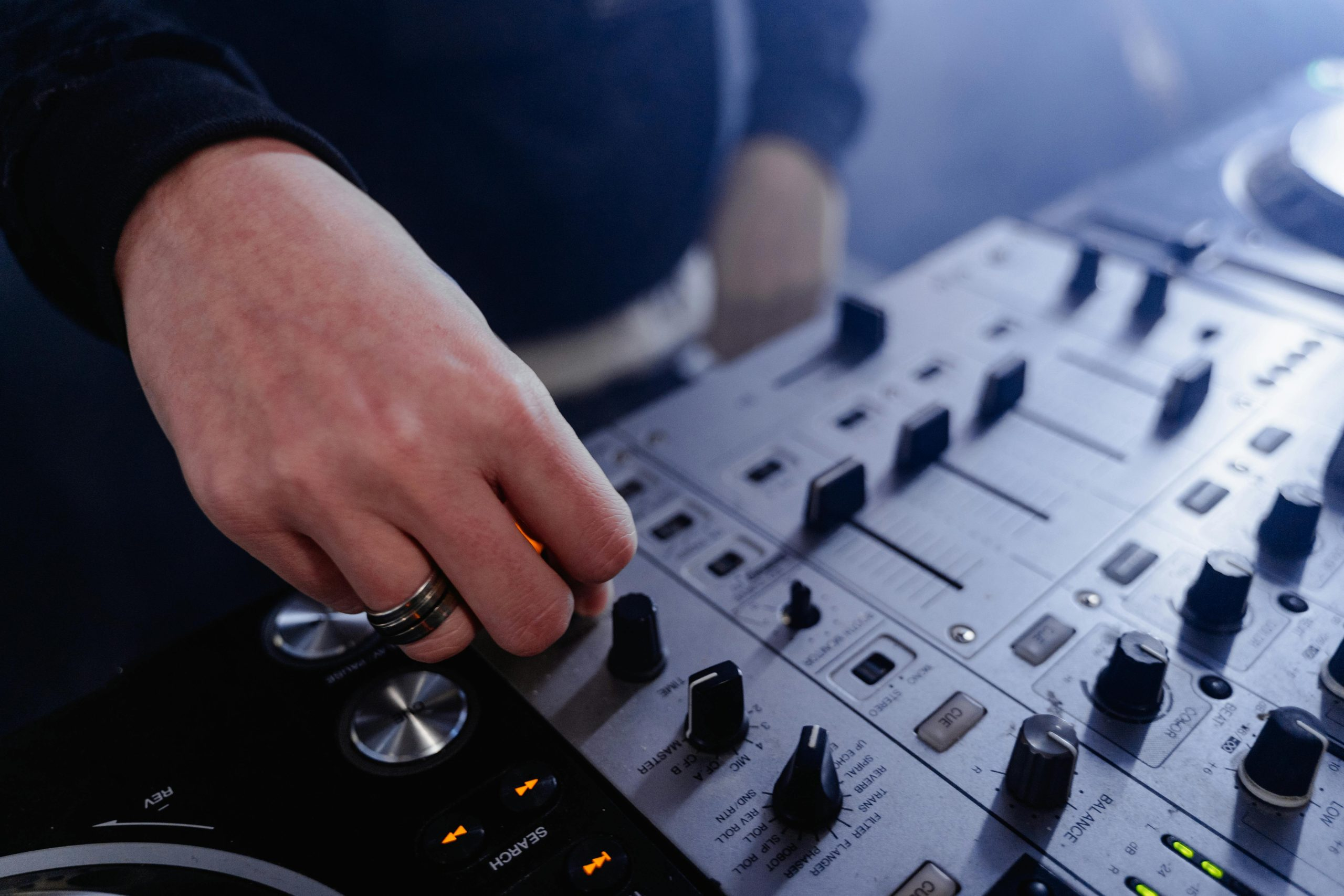
In the world of electronic music, one instrument has played a vital role in shaping the sound of modern music – the synthesizer. Introduced in the 1960s, the synthesizer has gone through a major evolution, from its humble beginnings as a monophonic keyboard to its current form as a complex and versatile music production tool. As electronic music has grown and evolved over the decades, so have synthesizers. In this article, we will take a closer look at the history and evolution of synthesizers in electronic music.
The Early Days: The Birth of Synthesizers
The first known electronic musical instrument was the Theremin, invented in 1919 by Russian physicist Leon Theremin. However, it was not until the 1960s that the first synthesizers were created. The first synthesizer, the RCA Mark II Sound Synthesizer, was developed in 1957 by researchers at RCA and was used primarily for sound effects in films and television.
In the early 1960s, Dr. Robert Moog, an American physicist, developed the Moog synthesizer, which became the first commercially available synthesizer. The Moog synthesizer was a monophonic instrument, meaning it could only produce one note at a time, but it opened up new possibilities for musicians and composers by allowing them to manipulate and shape sounds in ways that were previously impossible.
The 1970s: The Rise of Analog Synthesizers
In the 1970s, a new era of synthesizers emerged – the era of analog synthesizers. These instruments used analog circuits and modules, resulting in a warmer and more organic sound compared to the early digital synthesizers. One of the most iconic analog synthesizers of this era was the Minimoog, released in 1970 by Moog Music. The Minimoog was a portable version of the original Moog synthesizer and was widely used in popular music, from disco to rock to funk.
Another important development in the 1970s was the introduction of polyphonic synthesizers, which could produce multiple notes simultaneously. The Yamaha CS-80, released in 1976, was one of the first polyphonic synthesizers and was famously used by artists like Vangelis and Toto in their music.
The 1980s: The Digital Revolution
In the 1980s, digital technology started to dominate the music industry, and synthesizers were no exception. The introduction of digital synthesizers revolutionized the sound of electronic music, providing musicians with more realistic and versatile sounds. The first digital synthesizer, the Yamaha DX7, was released in 1983 and quickly became one of the best-selling synthesizers of all time.
The 1980s also saw the rise of samplers, which allowed musicians to sample and manipulate recorded sounds. This technology opened up new creative possibilities and further expanded the borders of electronic music. Artists like Depeche Mode and Kraftwerk used samplers extensively in their music, shaping the sound of the decade.
The 1990s: Synthesizers Get More Affordable
In the 1990s, synthesizers became more affordable and accessible to the general public, thanks to advancements in technology and the rise of home recording studios. This decade saw the release of many beloved synthesizers, such as the Roland JD-800 and the Korg M1, which are still widely used by musicians today.
In the late 1990s, virtual synthesizers started to emerge, which allowed musicians to use software to create sounds rather than relying on physical hardware. This shift marked the beginning of a new era for electronic music production.
Modern Day: The Age of Software Synthesizers
Today, the majority of synthesizers are software-based. With the rise of digital audio workstations (DAWs), musicians can now create and manipulate sounds using a computer and a MIDI controller. DAWs like Ableton Live, Logic Pro, and FL Studio come equipped with a variety of software synthesizers, offering endless possibilities for sound creation.
While there are still hardware synthesizers being produced, the focus has shifted to creating software emulations of classic synthesizers. Companies like Arturia, Native Instruments, and U-he have become popular for their high-quality software synthesizers that recreate the sounds of vintage analog synths.
In Conclusion
The evolution of synthesizers in electronic music history has been a remarkable journey. From early monophonic keyboards to complex software instruments, synthesizers have played a crucial role in shaping the sound of electronic music. With advancements in technology, the possibilities for sound creation are endless, and we can only imagine what the future of synthesizers holds.
Whether you’re a fan of classic analog sounds or prefer the versatility of modern software synths, one thing is certain – the synthesizer remains an integral part of electronic music, and its evolution continues to push the boundaries of what is possible in music production.
Leave a Reply