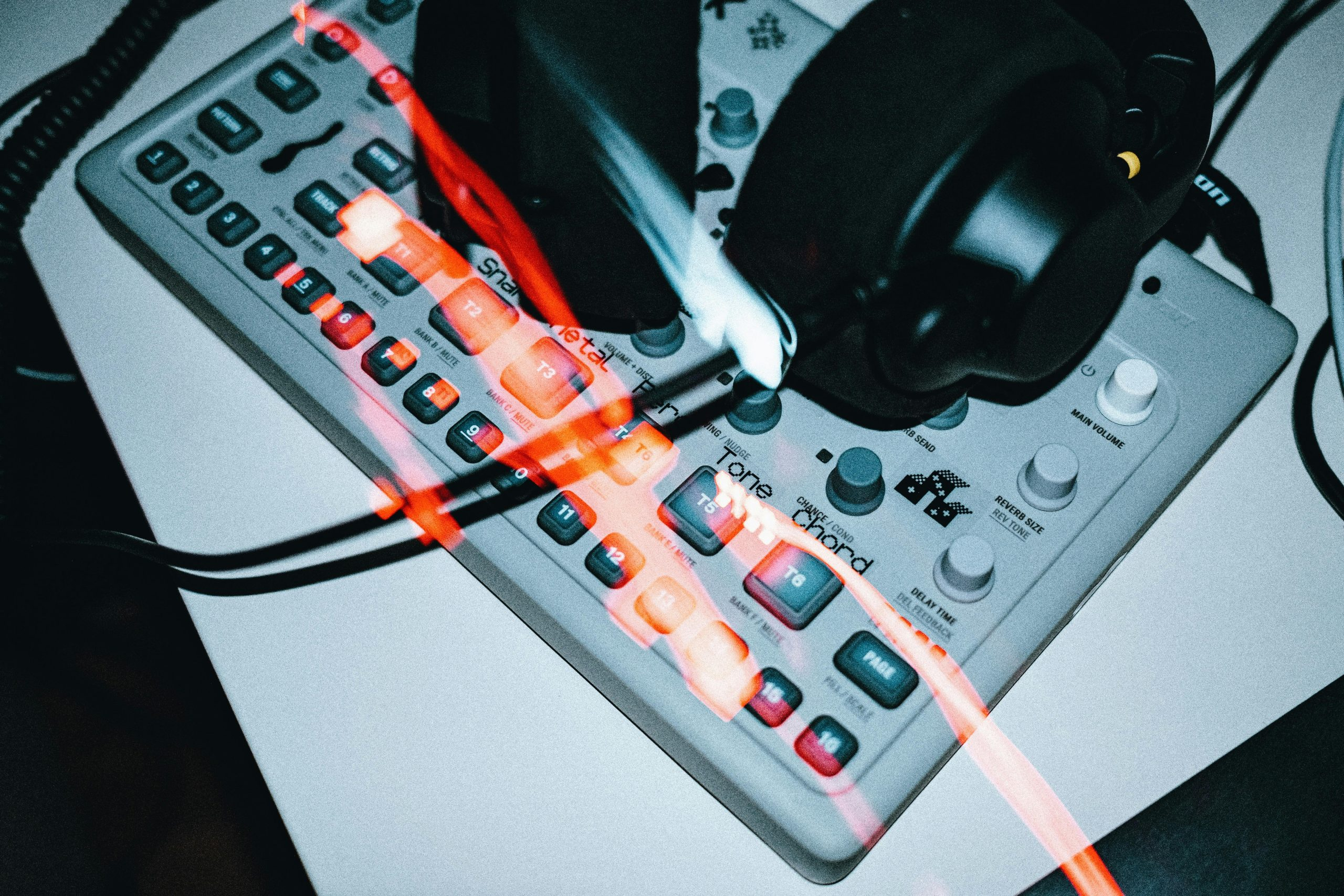
When it comes to sound, we are constantly surrounded by both analog and digital formats. But what exactly are the differences between these two types of sound? In the world of audio, analog and digital sound are two distinct methods of recording and processing audio signals. Understanding the differences between them can help us appreciate the evolution of sound technology and how it has impacted the music and entertainment industry. In this article, we will delve deeper into the world of analog and digital sound, exploring their characteristics, advantages, and limitations.
The Basics of Analog Sound
Analog sound refers to a method of recording and reproducing sound in a continuous and natural representation of the original waveforms. In simpler terms, it is a direct translation of the sound waves into an electrical analog signal. The most commonly used medium for analog sound is vinyl records, which have seen a recent resurgence in popularity. However, before the invention of vinyl records, analog sound was recorded and played back using magnetic tape in formats such as cassette tapes and reel-to-reel tapes.
The Characteristics of Analog Sound
Analog sound is often described as being warm, lush, and organic. This is because it captures the natural fluctuations and nuances in the sound wave, producing a smooth and continuous audio quality. This is due to the fact that the sound is recorded in its original form, without any conversion into digital information. This results in a rich and full sound that is often perceived as more authentic and natural compared to its digital counterpart.
The Advantages and Limitations of Analog Sound
One of the main advantages of analog sound is its ability to capture a wider range of frequencies and dynamic range. This is because the sound is recorded in a continuous wave, allowing for a more accurate representation of the original sound. In addition, analog recordings are less prone to loss of data or quality degradation over time.
However, analog sound also has its limitations. One of the main challenges with analog sound is its susceptibility to external noise and interference, which can result in a decrease in audio quality. In addition, due to the physical medium used for analog sound, there is always a risk of wear and tear, causing a decrease in sound quality over time.
The Rise of Digital Sound
The introduction of digital sound marked a significant milestone in the world of sound technology. Digital sound refers to a method of recording and reproducing sound by converting it into a series of binary numbers, also known as digital data. This data is then stored and processed using software and hardware, making it easier to manipulate and edit. The most common digital formats used today are CDs, MP3s, and streaming services such as Spotify and Apple Music.
The Characteristics of Digital Sound
Digital sound is often described as being clean, crisp, and precise. This is because the conversion into digital data allows for an exact representation of the original sound wave. This results in a consistent and accurate sound quality, free from any inherent noise or interference. In addition, digital sound also allows for a greater amount of manipulation and editing, making it a popular choice for music production and post-production in film and television.
The Advantages and Limitations of Digital Sound
The main advantage of digital sound is its versatility and convenience. With the rise of digital technology, we can now carry thousands of songs in our pockets and stream music from anywhere in the world. Digital sound is also not affected by wear and tear, making it a more durable medium for sound storage. In addition, digital sound allows for easy editing and manipulation, making it a popular choice for musicians and producers.
However, digital sound also has its limitations. One of the main challenges is the conversion of analog sound into digital data, which can result in a loss of quality and resolution. In addition, digital sound tends to have a more sterile and artificial sound compared to analog, which can be perceived as less authentic by some listeners.
The Future of Sound Technology
As technology continues to advance, it is expected that the distinction between analog and digital sound will become less noticeable. While analog and digital have their own unique characteristics, advancements in digital technology have made it possible to replicate the warmth and character of analog sound. In addition, hybrid technologies combining both analog and digital elements are becoming more popular, offering the best of both worlds.
Conclusion
In conclusion, understanding the differences between analog and digital sound is crucial in appreciating the evolution of sound technology. While both have their own unique characteristics, they have played a significant role in shaping the music and entertainment industry. Whether you prefer the warmth and authenticity of analog or the convenience and precision of digital, it is clear that the future of sound technology is constantly evolving, offering endless possibilities for artists and listeners alike.
Leave a Reply