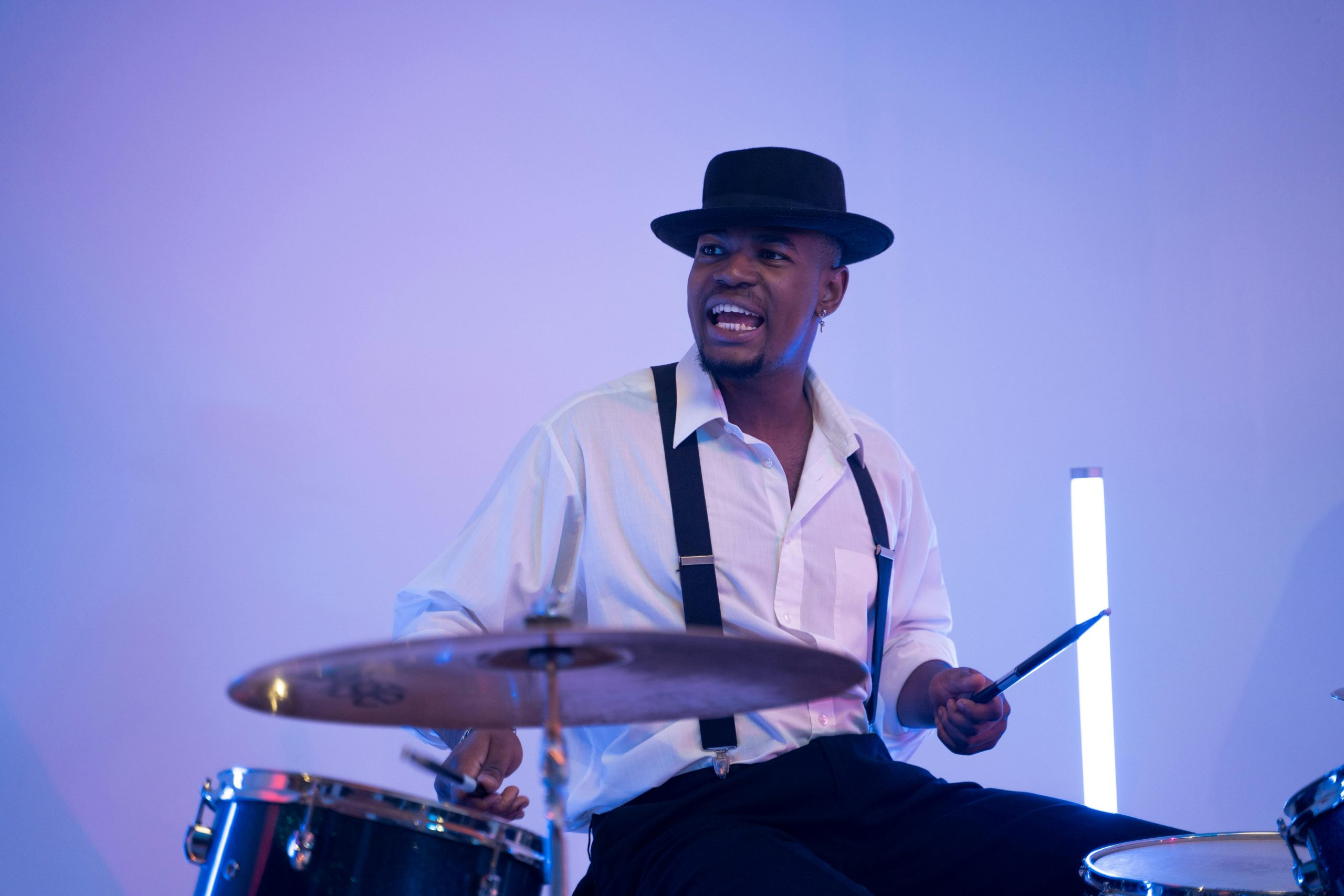
Music is an ever-evolving art form. Throughout history, musicians have continuously found new ways to create and express themselves through sound. As technology advances and new production techniques emerge, the possibilities for musical innovation continue to expand. However, amidst all the modern advancements, traditional instruments still play a crucial role in inspiring and shaping modern music production. In this article, we will explore how traditional instruments continue to influence and enhance the world of modern music production.
The Timelessness of Traditional Instruments
Traditional instruments have been around for centuries and have withstood the test of time. They have a rich history and cultural significance that modern instruments simply cannot replicate. The sound and craftsmanship of traditional instruments have been passed down through generations, offering a unique sense of identity and authenticity to a piece of music. Adapting these instruments to modern production techniques not only pays homage to their roots but also adds a layer of depth and emotion to the music being created.
The Importance of Preserving Cultural Heritage
Many traditional instruments are deeply rooted in cultural heritage. By utilizing these instruments in modern music production, we are preserving and celebrating the history and cultural traditions of a particular place or community. This also opens up opportunities for collaboration and cross-cultural exchange in the music industry. Modern music production techniques allow for traditional instruments to be combined with contemporary sounds, resulting in a unique fusion that promotes diversity and understanding.
Exploring New Sounds and Techniques
Traditional instruments offer a unique and distinct sound that cannot be replicated by modern instruments. By incorporating these sounds into modern music production, producers can experiment and create new genres and styles. By manipulating the sounds of traditional instruments with different effects and techniques, they can create fresh and innovative sounds that push the boundaries of traditional music. This allows for a continuous evolution of music and keeps the industry from becoming stagnant.
Breathing Life into Modern Music
Incorporating traditional instruments into modern music production is not just about honoring cultural heritage or experimenting with sounds, it’s also about adding depth and emotion to the music. Traditional instruments have a certain resonance and warmth that can bring a new level of authenticity and soulfulness to a song. They can evoke emotions that are missing in electronic sounds and give a sense of human touch to the music. This blend of traditional and modern elements creates an enchanting balance that results in a magical listening experience for the audience.
The Versatility of Traditional Instruments
Traditional instruments are not limited to just one genre or style of music. Many musicians are finding ways to incorporate them into various genres and create something unique. For example, the use of the sitar in western pop songs or the use of African drums in electronic dance music. The versatility of traditional instruments allows for endless possibilities in modern music production, making it an essential tool for producers looking to stand out in the industry.
In Conclusion
Traditional instruments have stood the test of time and continue to inspire and shape the world of modern music production. They offer a unique sound, cultural heritage, and versatility that cannot be replicated by modern instruments. By incorporating these elements into modern production techniques, musicians and producers are creating a beautiful fusion that celebrates diversity, preserves cultural traditions, and keeps the music industry constantly evolving. So the next time you hear a traditional instrument being used in a modern song, take a moment to appreciate the impact it has on the music and the endless possibilities it brings to the world of music production.
Leave a Reply