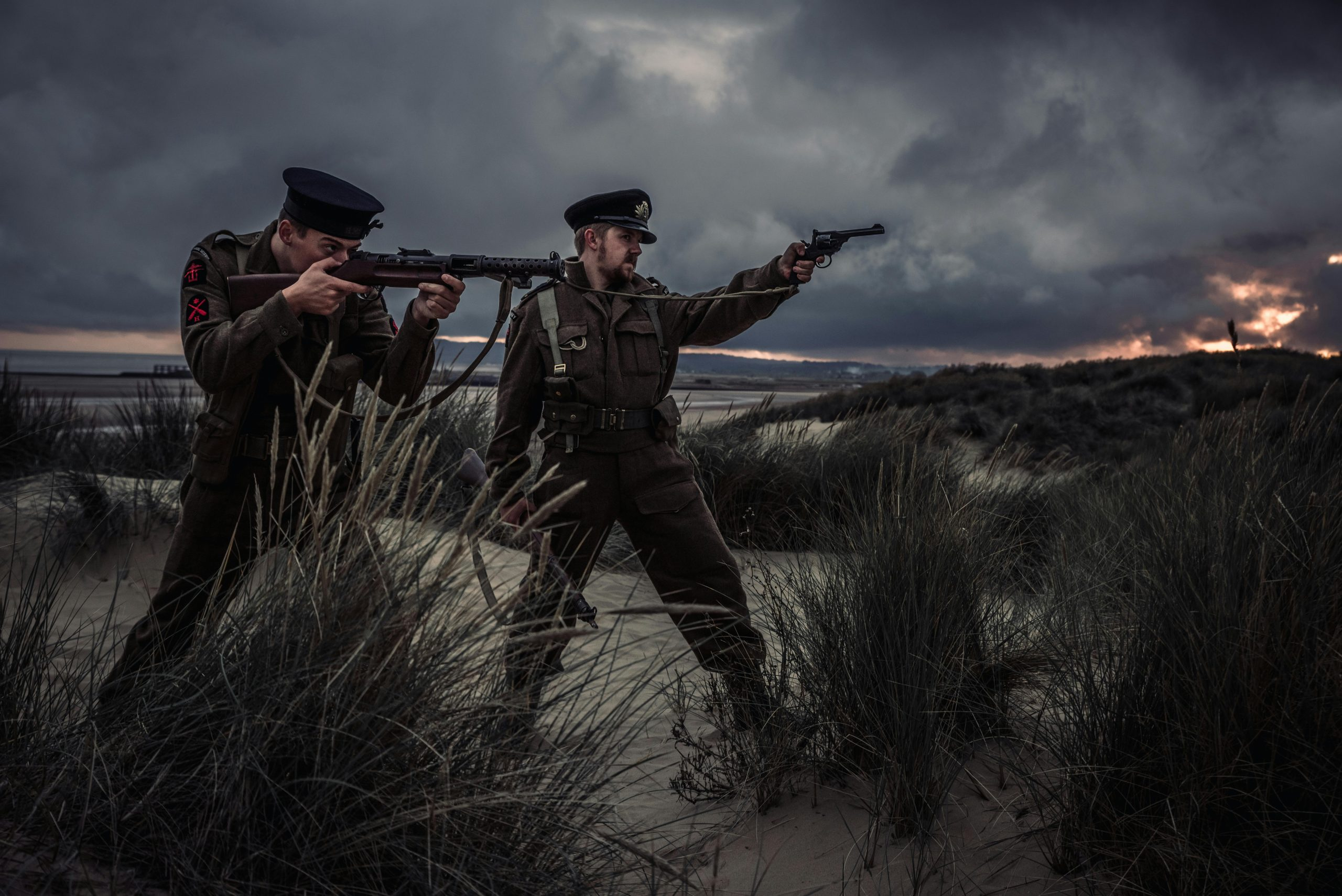
As the saying goes, “clothes make the man.” This is especially true in the world of military history, where uniforms have played a significant role in shaping the image and identity of military forces throughout the ages. From ancient times to modern conflicts, the evolution of military uniforms has been intertwined with the evolution of warfare itself. In this article, we will explore the influence of historical military uniforms, understanding their purposes, functions, and impact on military history. So buckle up, because we’re about to dive into the fascinating world of military fashion.
The Purpose of Military Uniforms
The origins of military uniforms can be traced back to ancient civilizations such as the Romans, who standardized their soldiers’ attire to differentiate them from civilians and enemy forces. Military uniforms serve several purposes, the first being identification. In a chaotic battlefield, it is essential to be able to distinguish between friend and foe quickly. Hence, uniforms are designed with unique colors, symbols, and patterns to identify soldiers and their respective units, making coordination and communication easier.
Another purpose of military uniforms is to instill a sense of unity and pride among soldiers. Donning a uniform signifies belonging to a particular group or organization, creating a sense of camaraderie and shared purpose. Uniforms also promote discipline and obedience, as it reinforces the idea of a soldier’s role and duties within the military hierarchy.
The Evolution of Military Uniforms
The evolution of military uniforms can be seen as a reflection of the evolution of warfare itself. As warfare tactics and technology changed throughout history, so did the design and functionality of military uniforms. Initially, uniforms were designed for practical purposes, such as protection from the elements and ease of movement. However, as warfare became more complex, uniforms began to serve more strategic purposes.
Ancient and Medieval Times
During ancient and medieval times, military uniforms were primarily based on practicality and functionality. Armies were often made up of conscripts, so uniforms were not standardized, and soldiers usually wore their own clothes. However, as militaries became more organized and professional, uniforms began to be standardized. For example, the Roman army had a well-defined uniform that included armor, shields, and helmets, making them easily identifiable on the battlefield. Similarly, during the Middle Ages, European knights wore a distinctive coat of arms over their armor to distinguish themselves and represent their noble lineage.
19th and 20th Century
The 19th and 20th centuries saw a significant shift in military tactics and technology, influencing the design of military uniforms. The advancement of firearms and artillery made it necessary for soldiers to wear uniforms that could withstand the intense heat and pressure of these weapons. Camouflage also became a crucial element in uniforms, as armies used tactics such as guerrilla warfare and trench warfare. The British army, for example, introduced khaki-colored uniforms to blend in with their environment, effectively disrupting the enemy’s line of sight.
Another significant development during this period was the adoption of military uniforms by civilian organizations. This was the case during World War II, where paramilitary organizations such as the Red Cross, Women’s Land Army, and Civil Defense adopted specific uniforms to distinguish themselves from civilians and demonstrate their involvement in the war effort.
The Impact of Military Uniforms on Society
Military uniforms have not only influenced military history but also had a significant impact on society. The creation of uniforms gave rise to a fashion industry that catered specifically to military attire. As military uniforms became more fashionable, civilians began to incorporate elements of military fashion into their everyday clothing, such as trench coats and bomber jackets.
Furthermore, military uniforms have also influenced the design of civilian uniforms, such as police and fire department uniforms. This is because military uniforms inspire a sense of discipline and authority, and organizations have adopted this to instill a sense of professionalism and respect.
The Legacy of Military Uniforms
The influence of military uniforms can still be seen today, as many modern armies still wear variations of their traditional uniforms. This not only reflects a sense of tradition and history but also serves as a reminder of the sacrifices and bravery of soldiers who have served in the past.
In summary, military uniforms have played a crucial role in shaping and representing military history. While their functionality may have been the primary purpose, they have also influenced society and fashion. So the next time you see a soldier in uniform, remember that it is not just a piece of clothing, but a symbol of identity, unity, and sacrifice.
Leave a Reply