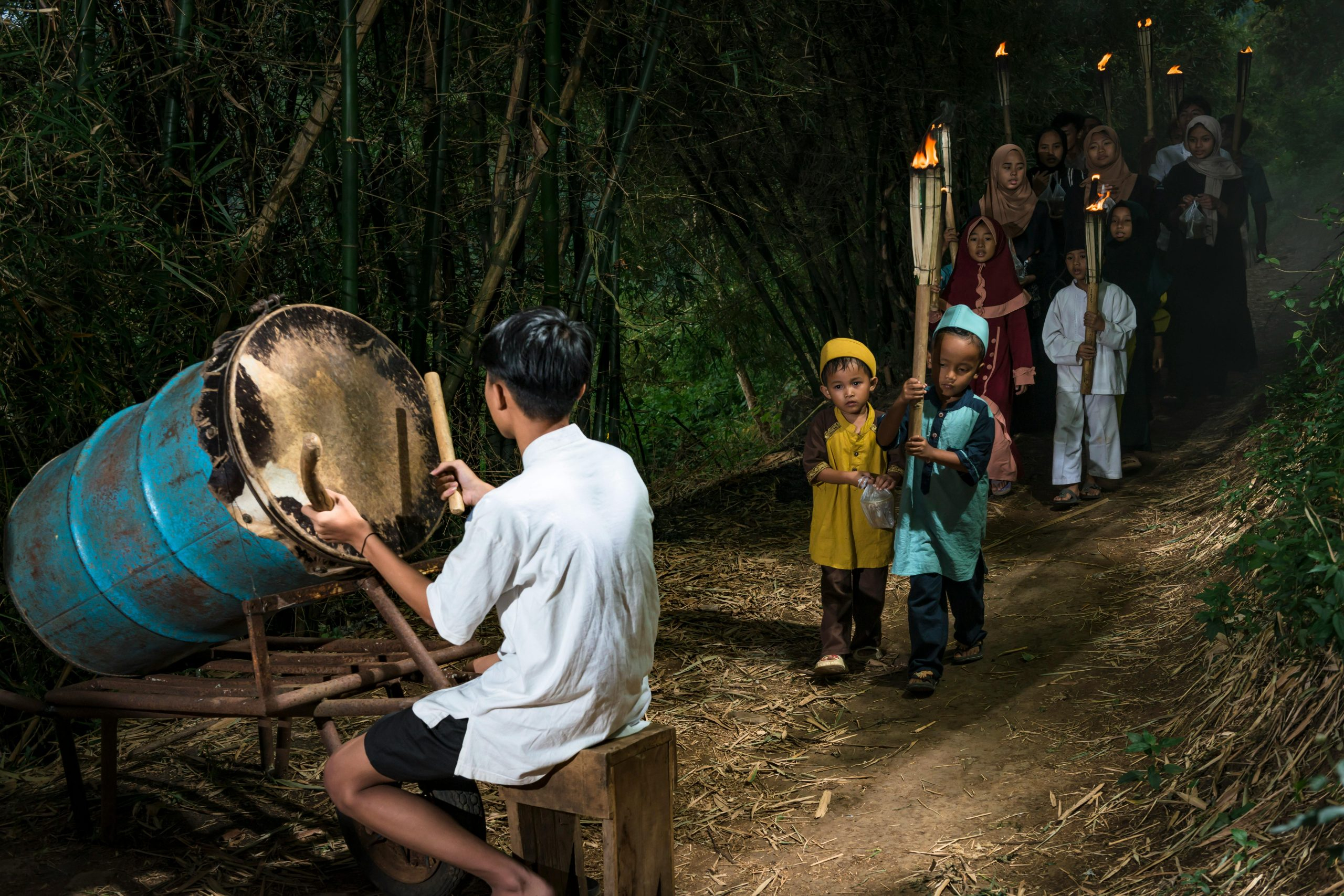
As human beings, we are all drawn to the power of music. It is a universal language that transcends borders and brings people together. And through the rich and diverse world of music genres, we can explore the unique cultures and traditions of different regions and their people. In this article, we will take a closer look at how the cultural diversity of our world is reflected in the various music genres that exist today.
The Root of World Music
The term “world music” was first coined in the 1960s to describe traditional music from non-Western cultures. It was a way to categorize and market music that was different from the popular genres of the time. However, as the world became more connected, the term evolved to encompass all types of music that have cultural and ethnic influences. Today, world music includes a wide variety of genres, from traditional folk music to modern fusion styles.
The Influence of Geography
One of the biggest factors that contribute to the diversity of world music is geography. For example, the African continent is home to a vast array of musical styles, including Afrobeat, Highlife, and Soukous, each with its distinct rhythms and melodies. Similarly, Latin America boasts a rich heritage of music, with genres like Salsa, Samba, and Tango representing different parts of the region. Even within a single country, there can be significant differences in music due to regional influences.
The Role of History and Tradition
History and traditions also play a significant role in shaping the music of a region. For instance, the impact of colonization on the indigenous people of North America is evident in the music of Native American tribes. Their traditional songs and chants have evolved into genres such as Native American flute music and powwow drumming. In contrast, the Middle East has a long history of musical traditions dating back to ancient times. Today, Middle Eastern music genres such as Qawwali and Turkish classical music continue to thrive and evolve by blending traditional elements with modern influences.
The Influence of Migration
Migration has undoubtedly had a significant impact on the diversity of world music. When people move to a new region, they bring their culture and music along with them. As a result, we see a fusion of different genres and styles. For example, the music of the Caribbean, including Reggae, Ska, and Calypso, has been heavily influenced by the African and European cultures that were brought to the region through slavery and colonialism. In turn, these genres have influenced music in other parts of the world, such as Hip Hop and Dancehall.
Preserving and Sharing Cultural Music
As we continue to embrace and celebrate the diverse musical traditions of the world, it is essential to recognize the importance of preserving and sharing these cultural treasures. In many cases, traditional music has been passed down through generations, and it is vital to ensure its survival. Organizations such as UNESCO have recognized the importance of safeguarding intangible cultural heritages, and many efforts are being made to support and promote traditional music.
In Conclusion
The cultural diversity reflected in world music genres is a testament to the beauty and richness of our world. It allows us to experience different cultures and connect with people from all walks of life through the power of music. As we continue to embrace this diversity, let us also remember to appreciate and respect the unique traditions and histories that have shaped these musical genres.
So the next time you listen to music from a different part of the world, take a moment to appreciate its roots and the story it tells. Because in the end, music is not just about entertainment; it is a celebration of our humanity and our connection to one another.
Leave a Reply