Orchestral instruments have been a fundamental part of music for centuries, evoking emotions and creating beautiful melodies. From the resonant sound of a cello to the majestic notes of a trumpet, each instrument has its unique role in an orchestra. But for those who are new to the world of orchestral music, understanding the distinctions and characteristics of these instruments can seem overwhelming. That’s where this essential guide comes in – to help you understand the various instruments and their placement in an orchestral ensemble.
The String Family
The string family constitutes the largest section of an orchestra and is typically positioned at the front of the stage. The string section produces a warm, rich sound and is divided into four main categories – the violin, viola, cello, and double bass.
The Violin
The violin, known for its small size and high-pitched sound, is often referred to as the “king of instruments.” Its iconic shape, with a slim neck and four strings, has remained relatively unchanged for centuries. The violin plays a crucial role in an orchestra, often carrying the melodic line and adding texture and harmony to a piece of music.
The Viola
The viola is slightly larger than the violin and produces a deeper, richer sound. Its range falls between that of the violin and cello, making it a versatile instrument in an orchestral setting. The viola is essential for filling out the harmonies and providing counter melodies to the violin.
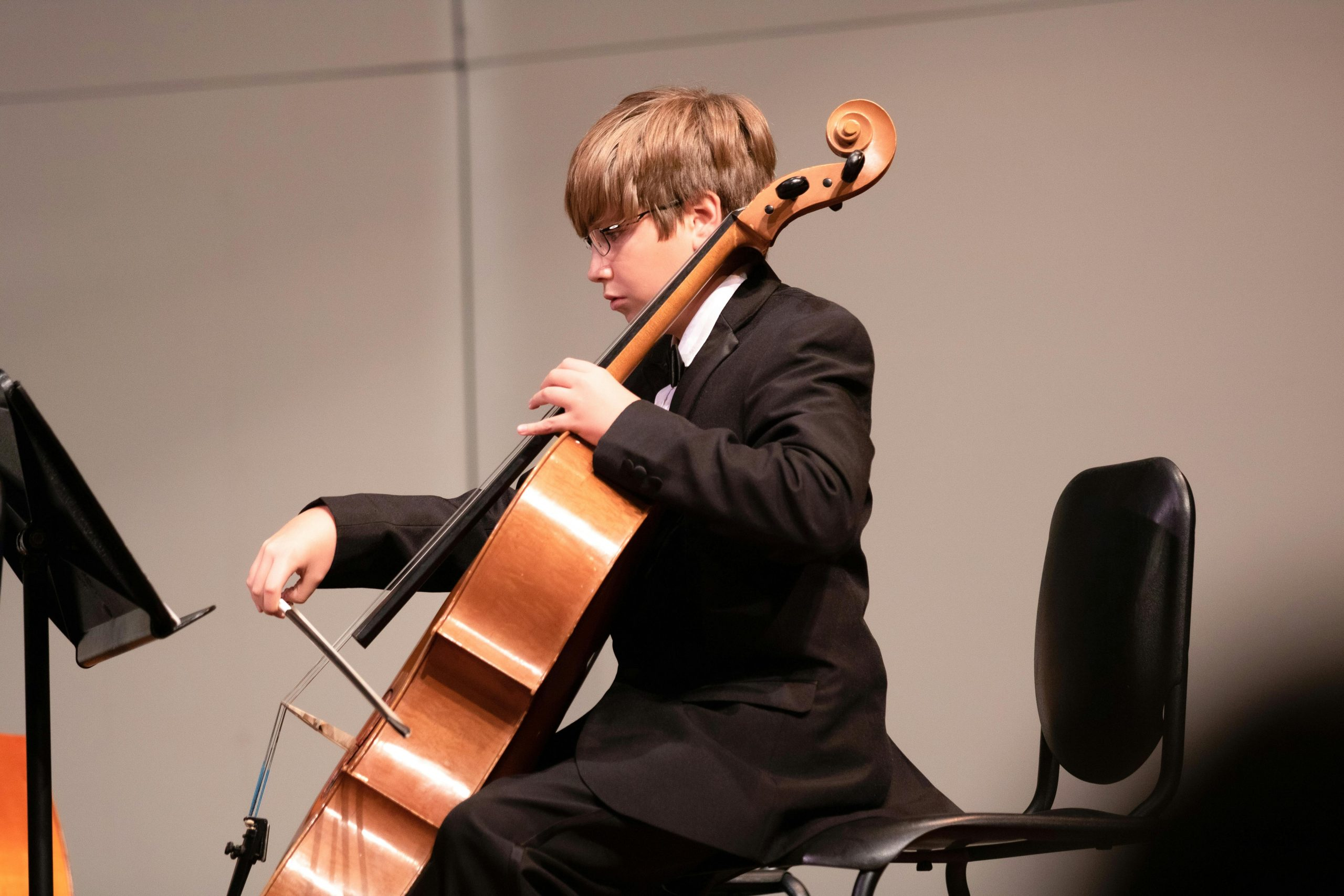
The Cello
The cello is the largest of the string instruments and produces a mellow, smooth sound. Its size and deep, resonant sound give it the nickname “bass violin,” and it often plays the bass line in orchestral pieces. The cello also has a wide range and can play both melodic and accompanying roles in an orchestra.
The Double Bass
The double bass, also known as the contrabass, is the largest and lowest-pitched instrument in the string family. It plays a crucial role in the orchestra’s rhythmic foundation, providing the bassline and often anchoring the harmony. Its deep, rich sound adds depth and power to orchestral pieces.
The Woodwind Family
The woodwind family consists of instruments made of wood or metal and produce sound by blowing air through a mouthpiece or reed. These instruments add color, texture, and mystery to orchestral pieces and can also play both melodic and accompanying roles.
The Flute
The flute is the highest-pitched instrument in the woodwind family, providing a clear, delicate sound. It is typically made of metal and played by blowing air across a small hole. The flute is often used to play melodic lines and is a featured instrument in many classical pieces.
The Clarinet
The clarinet, with its distinctive curved shape, is played by blowing air through a single reed attached to a mouthpiece. It has a wide range and can produce both mellow and piercing tones. The clarinet is often used for melodic lines and has a significant role in creating the orchestral sound.
The Oboe
The oboe, an important member of the woodwind family, has a distinctive sound that is both warm and nasal. It has a long, slender body with a conical bore and is played by blowing air between two vibrating reeds. The oboe is often used to play melodies and solos in an orchestral setting.
The Bassoon
The bassoon produces the lowest notes in the woodwind family and has a unique, reedy sound. It has a long, curved body with a double reed attached to a mouthpiece. The bassoon is often used for playing the bassline in orchestral pieces and adds a dark, rich tone to the overall sound.
The Brass Family
The brass family is made up of instruments that produce sound by buzzing lips into a cup-shaped mouthpiece. These instruments provide power, brilliance, and grandeur to orchestral music and are essential in creating climactic moments.
The Trumpet
The trumpet, with its bright, piercing sound, is often the lead instrument in the brass section. It has a cylindrical bore and a narrow, flared bell, allowing it to produce clear, powerful high notes. The trumpet is used for solo performances, as well as playing fanfares and melodies in an orchestral setting.
The French Horn
The French horn is a versatile instrument with a wide range and a warm, mellow sound. What makes it unique is its coiled shape, which gives it a distinctive appearance and a mellow tone. The French horn plays a significant role in adding depth and richness to the brass section.
The Trombone
The trombone, with its long, sliding tube and a larger, flared bell, is known for its deep, powerful sound. Its unique slide mechanism allows for a wide range of notes to be played smoothly, making it an essential instrument in orchestral music. The trombone often plays the bassline and adds weight and depth to the overall sound of an orchestra.
The Tuba
The tuba is the largest and lowest-pitched instrument in the brass family, providing a rich, somber sound. It has a round, curved shape and is traditionally tuned to support the bassline in orchestral pieces. The tuba adds a sense of grandeur and depth to orchestral music and is often used for creating dramatic effects.
The Percussion Family
The percussion family consists of instruments that produce sound when struck or shaken. These instruments provide rhythm and texture to orchestral music and often add a touch of drama to performances.
The Timpani
The timpani, also known as kettle drums, are large, bowl-shaped drums that produce a deep, resonant sound. They are played by striking a mallet on the drumhead, and their sound adds emphasis and intensity to orchestral pieces.
The Snare Drum
The snare drum, with its tight, snappy sound, is often used to add rhythm and pulse to orchestral pieces. It is a shallow, cylindrical drum with a “snare” stretched across the bottom, giving it its distinctive sound. The snare drum adds a sense of movement, excitement, and drama to orchestral music.
The Cymbals
The cymbals are metallic, round plates that are clashed together to produce a loud, shimmering sound. They are used to create dramatic and climactic effects in orchestral music, adding tension and excitement to a performance.
The Xylophone
The xylophone is a pitched percussion instrument with a series of wooden bars that are struck with mallets to produce a bright, ringing sound. It is often used to add a playful, whimsical element to orchestral music and can also play melodies and solos.
With this essential guide, you now have a better understanding of the various instruments that make up an orchestra and their roles in creating beautiful music. So sit back, close your eyes, and enjoy the unique sounds of each instrument as they come together to create an unforgettable, orchestral masterpiece.
Leave a Reply