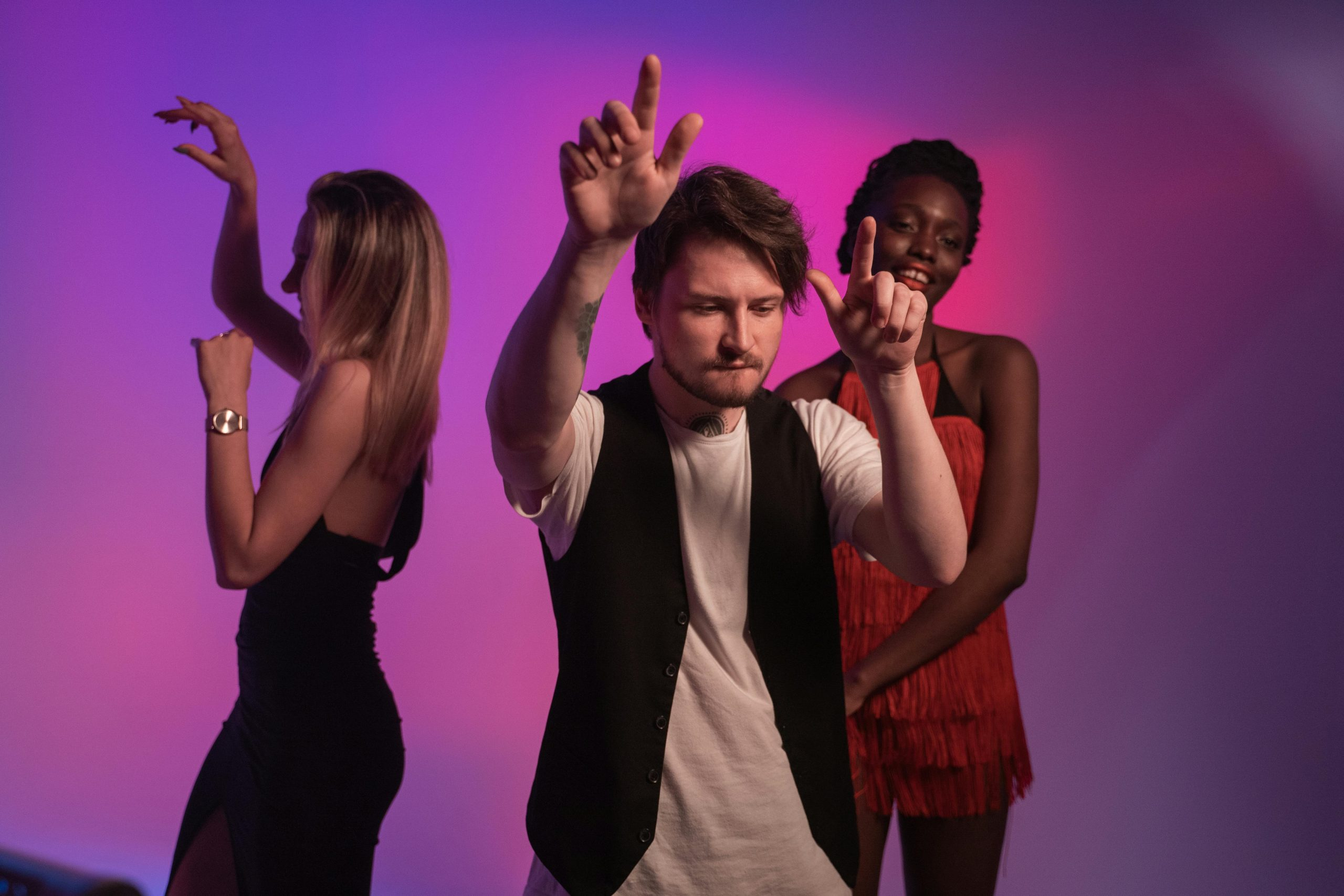
Music and dance have long been intertwined, with one often inspiring the other. From traditional folk dances to modern choreographies, movement has been an integral part of human expression since the dawn of time. But what happens when we add a third element to the mix – the intersection of music, dance, and movement? Let’s explore this dynamic relationship and how it has shaped our understanding of art and the human experience.
The Power of Music
Music has the ability to evoke emotions and create a sense of connection. It has been used since ancient times as a means of communication and storytelling. From lullabies to battle anthems, music has been a part of every culture and tradition. It has the power to transport us to different worlds, evoke memories, and bring people together.
But what makes music so powerful? Scientists have found that music activates a variety of areas in our brains and can even release feel-good hormones, such as dopamine. This is why music is often used in therapy and as a form of relaxation. Its ability to induce different emotional and physical states is what makes music such a versatile and potent tool.
The Rhythm of Dance
On the other hand, dance is a physical form of expression that uses movement and rhythm to tell a story or convey emotions. Just like music, dance has been a part of human culture for centuries. It is used in rituals, celebrations, and as a form of entertainment.
But dance is not just about moving to the beat. It involves a deep understanding of musicality, rhythm, and coordination. Dancers use their bodies to create graceful and powerful movements that match the mood and tempo of the music. They tell stories and convey emotions through their movements, making it a powerful form of non-verbal communication.
The Intersection of Music, Dance, and Movement
The interplay between music and dance has always been evident, but what happens when we add another element – movement? Movement, in this context, refers to the intentional incorporation of everyday body movements into dance performances. This trend has been gaining popularity in recent years, with more choreographers using everyday movements, such as walking, sitting, and even scrolling on a phone, in their pieces.
But why is this intersection of music, dance, and movement gaining traction? One reason is the desire to break away from traditional dance forms and explore new ways of expression. Movement adds a new layer of creativity and complexity to dance performances, blurring the lines between what is considered ‘dance’ and what is not.
Moreover, incorporating everyday movements into dance performances brings a sense of relatability and vulnerability to the dancers. It strips away the facade of perfection often associated with dance and allows for a more authentic and raw performance. It also opens up the art form to a wider audience, as everyday movements are something we can all relate to.
The Impact on Art and Society
The intersection of music, dance, and movement has had a significant impact on the art world and society as a whole. It has allowed for more experimentation and innovation in the dance world, giving rise to a new generation of choreographers and performances. It has also sparked conversations about the definition of dance, blurring the lines between high and low art and challenging societal norms.
Moreover, this intersection has also played a role in redefining our understanding of movement and everyday actions. It has shed light on the fact that dance is not limited to a stage or a designated space but can happen anywhere and at any time. It has challenged the notion that only trained dancers can create beautiful and meaningful movements, and instead elevated the importance of individualism and creativity.
The Evolution Continues
The intersection of music, dance, and movement has proven to be a fruitful ground for artistic expression and exploration. As we continue to push the boundaries of traditional dance forms, we can expect to see more incorporation of everyday movements into performances. This trend highlights the ever-evolving nature of art and how it reflects and shapes society.
In conclusion, the intersection of music, dance, and movement is a dynamic and constantly evolving relationship that has shaped our understanding of art and the world around us. It brings together two powerful forms of expression and adds a new layer of creativity and vulnerability. As artists continue to explore this intersection, we can only imagine what new and exciting performances will emerge.
Leave a Reply