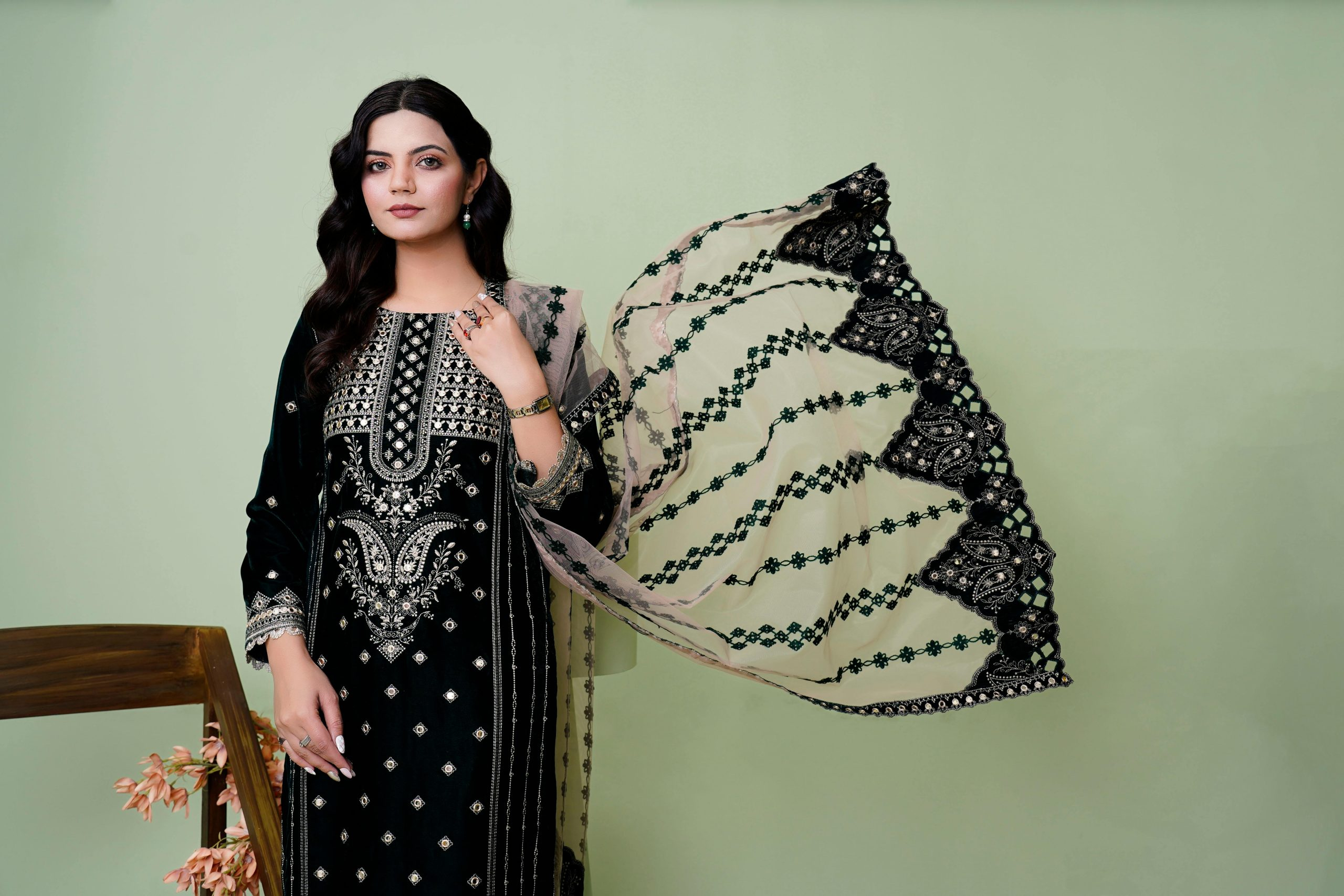
The art of draping involves the manipulation of fabric to create unique and beautiful shapes. From timeless Grecian gowns to modern avant-garde designs, draping is a technique that has been used by fashion designers for centuries. It is a skill that requires precision, creativity, and a deep understanding of fabric properties. In this article, we will explore the history of draping, its practical applications in fashion, and the key techniques used to create stunning draped garments.
The History of Draping
Draping, also known as dressmaking or patternmaking, has its roots in ancient civilizations. In ancient Greece, draping was a prestigious skill known only to the elite. Garments were created by wrapping and tying fabric around the body, resulting in flowing and elegant silhouettes. This technique was also used in ancient Rome, where draped garments were an essential part of the Roman clothing tradition.
As fashion evolved, draping techniques became more refined and complex. In the 19th century, with the rise of haute couture, draping became an integral part of high-end fashion. Designers like Charles Frederick Worth and Paul Poiret used draping to create lavish and luxurious designs that were coveted by the wealthy and elite.
The Practical Applications of Draping in Fashion
Today, draping is used in various forms of fashion, from haute couture to ready-to-wear collections. It is a crucial part of the design process, allowing designers to create unique and innovative silhouettes that cannot be achieved through traditional patternmaking techniques.
One of the main benefits of draping is its versatility. It allows designers to work directly with fabric on a dress form, experimenting and manipulating it until they achieve the desired shape. This method allows for more flexibility and creativity in the design process, resulting in one-of-a-kind garments.
Draping is also essential in creating custom-fitted garments. By draping fabric directly onto a client’s body or a dress form, designers can create garments that fit perfectly and accentuate their client’s body shape. This skill is particularly important in haute couture, where each garment is made-to-measure for a specific client.
The Key Techniques of Draping
Manipulating and Pinning
The basic technique of draping involves manipulating fabric on a dress form and then using pins to secure it in place. By pulling, stretching, and folding the fabric, designers can create different draping effects, such as gathers, pleats, and folds. The placement and direction of the pins are crucial in creating the desired shape and structure.
Slash and Spread
Another technique that is often used in draping is the slash and spread method. It involves cutting a piece of fabric and then spreading it out to create more volume and fullness. This technique is commonly used to create flared skirts or billowing sleeves.
Underlining and Interfacing
To ensure that a draped garment has the right structure and support, underlining and interfacing are often used. Underlining involves attaching a layer of fabric underneath the main fabric to add body and stability. Interfacing, on the other hand, is a type of fabric used to reinforce specific areas of a garment, such as collars and cuffs.
Finishing Techniques
After achieving the desired draped effect, the final step is to finish the garment. This involves cutting the fabric pieces, removing the pins, and sewing them together to create a permanent garment. Skillful finishing techniques are essential to ensure that the draped effect is maintained and that the garment fits perfectly.
In Conclusion
The art of draping is a timeless skill that has shaped the world of fashion. From ancient civilizations to modern runways, draping continues to be an integral part of the design process. It requires a blend of creativity, technical skill, and an understanding of fabric properties. Whether creating elegant evening gowns or avant-garde designs, draping allows designers to push the boundaries of fashion and create truly unique and beautiful garments.
Leave a Reply