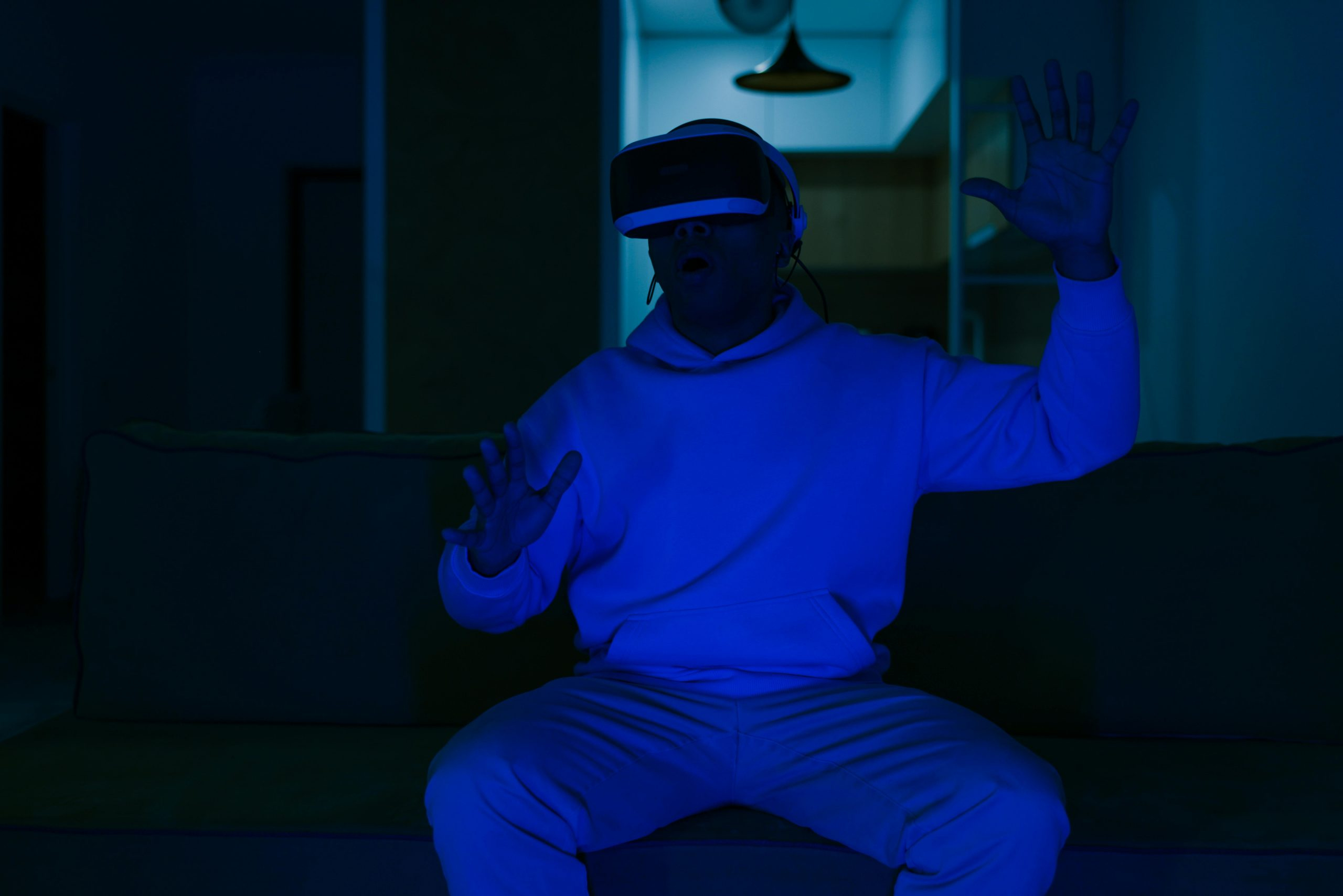
The education industry is constantly evolving with the advancements in technology. Virtual reality (VR) has emerged as a powerful tool for enhancing student engagement and transforming traditional learning methods. With its ability to create an immersive and interactive environment, VR technology has brought a new dimension to education. From virtual field trips to simulated experiments, VR has revolutionized the way students learn, making education more personalized, engaging, and effective. In this article, we will explore how VR technology is transforming student engagement and shaping the future of education.
Immersive Learning Experience
Traditional classroom lectures can often be boring and monotonous for students. This is where VR technology comes in. It has the ability to transport students to a virtual world where they can explore and learn in a fully immersive environment. This makes learning more interactive and engaging, as students are actively involved in the learning process rather than being passive listeners. They can interact with objects, explore different scenarios, and even make mistakes without any consequences. This hands-on learning approach enhances student engagement and improves their understanding of complex concepts.
Real-World Applications
The use of VR technology in education goes beyond just creating a simulated environment for learning. It also allows students to experience real-world scenarios, making their education more practical and relevant. For example, medical students can practice surgeries in a virtual operating room, giving them a realistic experience without any risk to actual patients. Similarly, students studying architecture can design and walk through 3D models of buildings, giving them a better understanding of their projects. This real-world application of VR technology not only enhances student engagement but also prepares them for their future careers.
Personalized Learning
Every student has their unique learning style and pace. With traditional teaching methods, it can be challenging to cater to the individual needs of each student. However, with VR technology, personalized education is possible. The virtual environment can be customized to suit the needs of each student, providing them with a personalized learning experience. For instance, students who learn better through visual aids can have a more visual-based virtual lesson, while students who are more hands-on can interact with the objects in the virtual world. This personalized approach to learning not only improves student engagement but also ensures that students grasp concepts more effectively.
Engaging and Motivating
One of the most significant benefits of VR technology is that it makes learning fun and exciting. As students explore the virtual world, they become more motivated to learn and engage in the lesson. The immersive and interactive nature of VR technology stimulates students’ curiosity and increases their desire to learn. It also allows for gamification, where students can earn points, rewards, and progress to different levels, making the learning process more enjoyable and competitive. This positive learning experience not only enhances student engagement but also improves their overall academic performance.
Accessibility for All
VR technology has made education more accessible to students with disabilities. For example, students with visual impairments can use VR headsets to experience a simulated environment and participate in the lesson like any other student. It also allows students with mobility impairments to explore different places and scenarios without leaving their classrooms, enabling them to have the same learning opportunities as their peers. VR technology has broken the barriers to education for students with disabilities, creating a more inclusive learning environment.
Conclusion
The incorporation of VR technology in education has transformed student engagement and created a more effective learning environment. It provides students with an immersive and interactive learning experience, making education more personalized, practical, and enjoyable. VR technology also motivates and inspires students to learn, regardless of their learning style or disability, ensuring a more inclusive education. As VR technology continues to evolve, the possibilities for enhancing student engagement in education are endless.
Leave a Reply