The world of fashion is constantly evolving and reinventing itself, and one of the key drivers of this evolution is cultural movements. These social and cultural shifts influence not only the way we think and act, but also how we express ourselves through fashion. In this article, we will explore the dynamic relationship between fashion designers and cultural movements. We will delve into the ways in which these movements shape and inspire fashion styles, and how designers interpret them to create garments that represent our ever-changing society. Join us on this journey of discovering the fascinating process of how fashion designers interpret cultural movements into styles.
Cultural Movements: A Catalyst for Fashion Evolution
Cultural movements encompass a wide range of social, political, and artistic movements that shape the way we see the world. From the hippie movement of the 1960s to the grunge movement of the 1990s, these shifts in culture have a profound impact on the fashion industry. As people start to adopt new beliefs and attitudes, they often seek ways to express this through self-expression, and fashion serves as a powerful tool for this purpose.
Take the current body positivity movement, for example. With a growing emphasis on embracing diverse body types, we have seen a significant shift in the fashion industry towards inclusivity. Designers are now creating collections that cater to a wider range of sizes and celebrating diverse beauty standards. This shows how cultural movements affect not just the aesthetics of fashion, but also its inclusivity and social impact.
From Inspiration to Interpretation: The Creative Process of Fashion Designers
For fashion designers, cultural movements serve as a source of inspiration. However, it is not a simple case of direct translation from social changes to design concepts. It is a complex and nuanced process that requires skill, creativity, and a deep understanding of the movement. Designers must be able to interpret and translate the essence of the movement into garments that not only reflect its ideals but also appeal to the consumer market.
For instance, when the punk movement emerged in the 1970s, it was primarily a rebellious response to societal norms and expectations. This movement gained its influence from music, art, and culture, all of which were characterized by a raw and anti-establishment attitude. Fashion designers at the time, such as Vivienne Westwood and Malcolm McLaren, embraced this anarchic spirit and incorporated elements of punk into their collections. They used unconventional materials, distressed fabrics, and edgy silhouettes to convey the essence of the movement while still maintaining a sense of commercial viability.
Cultural Appropriation vs. Cultural Appreciation
One of the challenges that fashion designers face when interpreting cultural movements is the risk of cultural appropriation. With the rise of social media and fast fashion, cultural appropriation has become a widespread issue in the industry. It refers to the act of using elements from a minority culture without giving proper credit or acknowledgement, often leading to misrepresentation and exploitation.
However, cultural appreciation, when done respectfully and with the involvement of the community, can be a powerful way to celebrate and showcase diverse cultures. Fashion designers must be mindful of the cultural significance of their designs and involve people from the community in the creation process. An excellent example of this is designer Christian Dior’s collaboration with a Native American collective to create a collection that celebrated Native American culture and craftsmanship.
The Impact of Fashion Designers’ Interpretations on Society
Beyond creating aesthetic trends, fashion designers’ interpretations of cultural movements have a significant impact on society. Fashion has always been a medium for social change and has the power to challenge and shape social norms. When designers incorporate elements of cultural movements into their designs, they are making a statement and sparking a conversation.
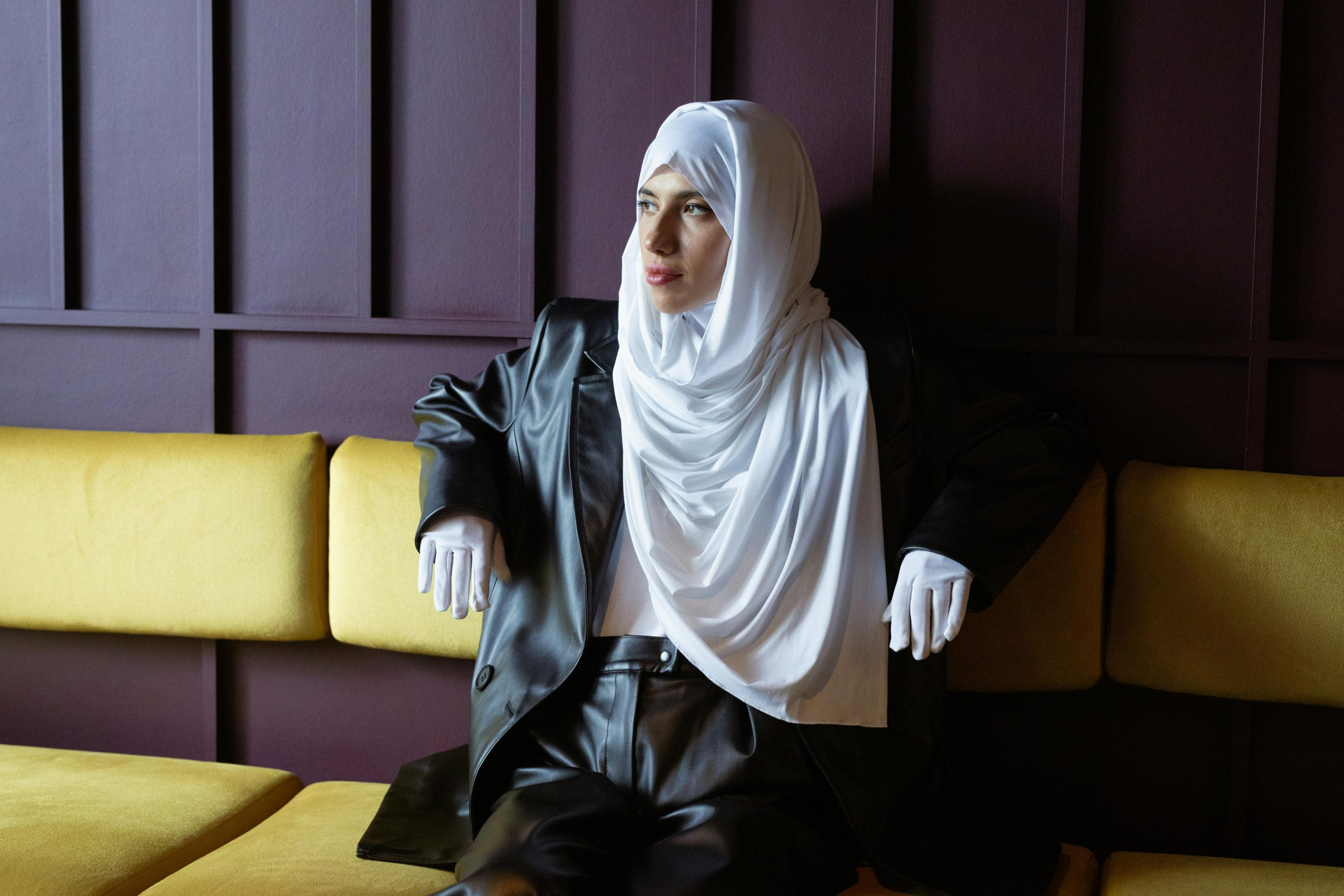
The hijab, for example, is a garment that has been used to express religious and cultural identity for centuries. In recent years, we have seen designers like H&M, DKNY, and Dolce & Gabbana featuring hijabs in their collections, sending a powerful message of inclusivity and representation. This has not only opened doors for representation in the fashion industry but also acts as a form of empowerment for women.
In Conclusion
Cultural movements are the driving force behind the transformation and evolution of fashion. They provide a powerful source of inspiration for designers to create styles that reflect our constantly changing world. By skillfully interpreting these movements, fashion designers not only create trendsetting garments but also spark important conversations and bring about social change.
As we have seen, this process requires a deep understanding and respectful approach towards cultural movements and their impact. In this ever-evolving world of fashion, we can only imagine what new cultural movements will emerge, and how designers will continue to interpret them into unique and impactful styles.
Leave a Reply